

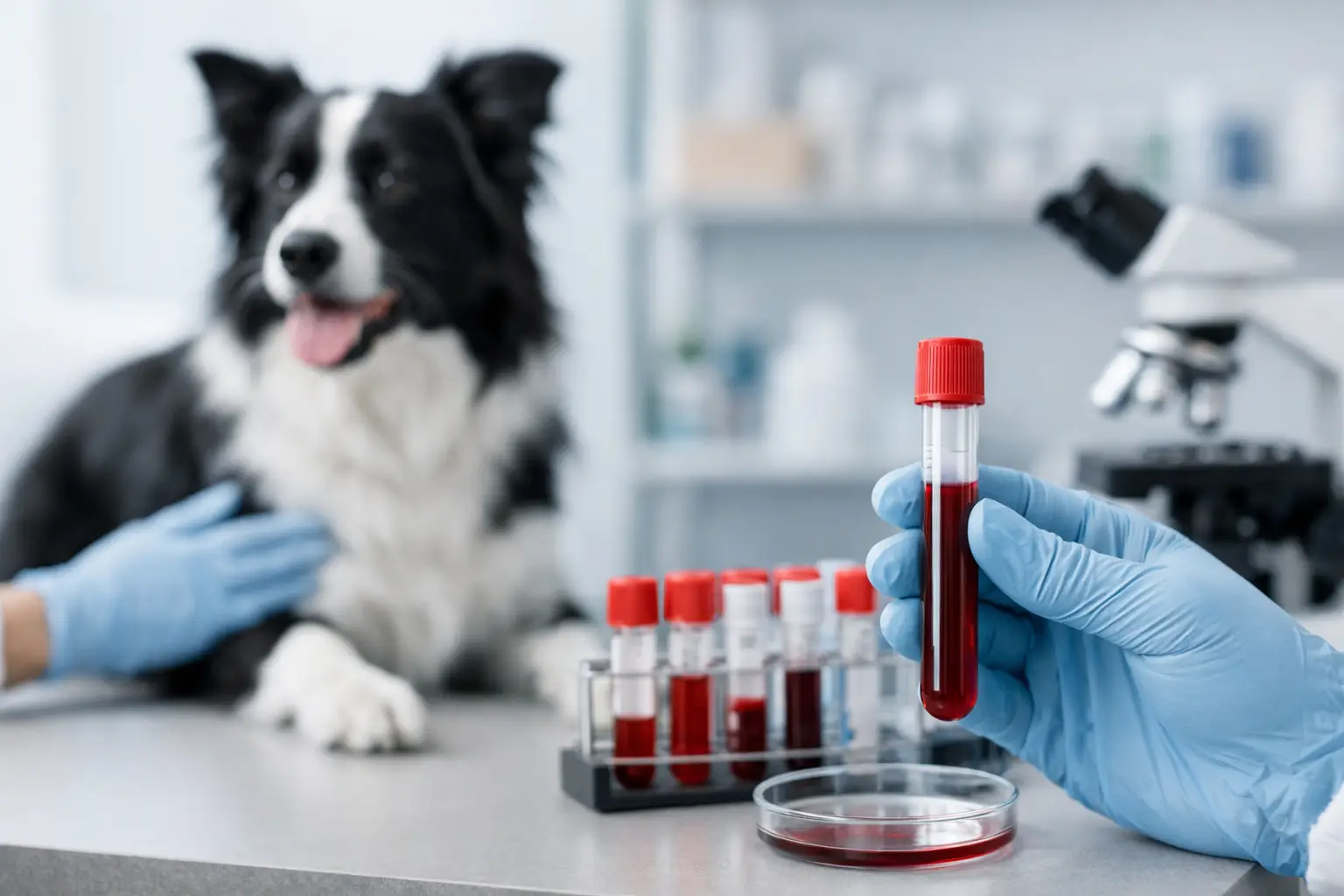

If your dog is moving internationally, the rabies FAVN titer test for dogs can become the one detail that determines whether your travel timeline works or falls apart. Families often assume a current rabies vaccine is enough. In many cases, it is not. Some countries also require proof that the vaccine produced an adequate level of antibodies, and that is exactly what this test is designed to confirm.
For pet owners planning a move, this is where stress tends to start. The test itself is straightforward, but the timing around it is not. One missed step, an early blood draw, or a destination-specific waiting period can delay an otherwise well-planned relocation.
What is the rabies FAVN titer test for dogs?
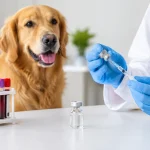
The rabies FAVN titer test for dogs is a blood test that measures whether a dog has developed enough rabies antibodies after vaccination. FAVN stands for Fluorescent Antibody Virus Neutralization. In practical terms, the test helps authorities verify that your dog is not only vaccinated on paper, but has responded appropriately to that vaccine.
This matters most for international import rules. Many countries with strict rabies controls use antibody testing as part of their entry requirements. It is a public health safeguard, and it is also one of the most misunderstood parts of pet travel.
A passing result is typically reported as an antibody level that meets the importing country’s minimum threshold. For many destinations, that minimum is 0.5 IU/mL or higher. Still, requirements can vary, and the pass result alone does not guarantee entry. Your dog may also need a valid microchip, current vaccine history, an approved lab result, a health certificate, import permits, and correct timing between each step.
When dogs need a rabies FAVN titer test
Not every international trip requires antibody testing. Some countries accept a current rabies vaccine and standard veterinary paperwork. Others require a FAVN or RNATT test before travel, especially when pets are arriving from countries that are not considered rabies-free or low-risk.
This is why destination matters more than assumptions. Owners are often told, “My dog is vaccinated, so we should be fine,” only to discover that the destination country requires the test to be completed months before arrival. In some cases, the test is tied to a mandatory waiting period that begins on the blood draw date, not the date results are received.
That distinction can change your entire schedule. If you are relocating for a job start, lease date, school year, or retirement move, a delay of even a few weeks can create major complications.
How the process works
The process starts with your dog’s microchip and rabies vaccination records. In most cases, the microchip must be implanted before the rabies vaccine is given. If the vaccine was administered before the microchip, some countries may require revaccination before the titer test can be performed.
After that, your veterinarian draws a blood sample at the right time following rabies vaccination. The sample is then sent to an approved laboratory for antibody testing. If the result meets the required threshold, the report becomes part of your dog’s travel file.
This sounds simple, but there are several points where timing and documentation matter. The vaccine must be valid. The microchip number must match all records exactly. The lab must be accepted by the destination country. And the sample cannot be collected too early if the rules require a specific number of days after vaccination.
Rabies FAVN titer test timing for dogs
Timing is where most avoidable problems happen.
Some countries require the blood draw to be done at least 30 days after the rabies vaccination. Others may have their own rules or accept a longer-standing vaccine history. Then, after a passing result, there may be a waiting period of several weeks or even months before entry is allowed.
This means the rabies FAVN titer test for dogs is rarely a last-minute task. If your move is approaching, the best approach is to work backward from your target arrival date. You need to account for the vaccine date, the blood draw window, lab processing time, waiting periods, endorsement timelines, and flight scheduling.
There is also a practical issue many families do not expect: if the test result comes back below the required antibody level, your dog may need a booster and a new blood draw. That can add more time. It does not always mean something is wrong with your dog’s health. Sometimes it reflects vaccine timing, individual immune response, or record inconsistencies that need to be corrected.
Common mistakes that delay travel
Most FAVN-related delays are not caused by the laboratory. They happen earlier in the process.
One frequent issue is using a rabies vaccine record that does not line up with microchip requirements. Another is drawing blood before the destination’s required post-vaccination waiting period has passed. Some owners also assume any lab is acceptable, when the importing country may require testing through specific approved facilities.
Paperwork errors are equally common. A typo in the microchip number, a missing vaccine manufacturer, an unreadable certificate, or a mismatch in dates can trigger problems later when import documents are reviewed. These are small details on paper, but they can carry real consequences at the airport or border.
The other major mistake is starting too late. International pet travel often looks manageable until one country-specific requirement adds a 90-day wait. That is why planning early is not just helpful. It protects your travel date.
What pet owners should ask before testing
Before your dog’s blood is drawn, it helps to confirm a few things with your veterinarian or relocation coordinator. Is the microchip compliant and recorded correctly? Is the current rabies vaccine valid under the destination country’s rules? How many days must pass before the sample is collected? Which laboratory is accepted? Does the country count waiting time from the blood draw date, the lab result date, or the permit approval date?
Those questions are not overkill. They are the difference between a smooth file and a rushed correction later.
For families moving to, from, or through Panama and the wider region, this is often where professional coordination becomes valuable. Panama Pet Relocation regularly helps clients line up vaccination timing, lab submissions, document review, and travel scheduling so one requirement does not disrupt the entire move.
What a passing result does and does not mean
A passing FAVN result is an important milestone, but it is not a complete travel clearance. It confirms that your dog has an acceptable antibody response to rabies vaccination. It does not replace the rest of the import process.
Your destination may still require an import permit, government-endorsed health certificate, parasite treatments, flight-compliant crate preparation, airline booking rules, and customs coordination on arrival. Some countries are very strict about how recent each document must be.
That is why experienced planning matters. It is easy to focus on the test because it feels technical and urgent, but successful travel depends on the full sequence being correct.
Is the test stressful for dogs?
For most dogs, the FAVN test itself is low stress. It is simply a blood draw performed by a veterinarian. The bigger stress usually comes from repeated appointments, rushed timelines, and owners trying to sort out changing travel requirements while managing a household move.
That emotional side deserves attention. Pets pick up on family stress, and international relocation already brings enough moving parts. A clear plan helps everyone, including your dog.
Final planning advice for dog owners
If there is any chance your destination might require a rabies antibody test, start checking early – ideally months before travel, not weeks. The rabies FAVN titer test for dogs is one of those requirements that is manageable when planned properly and frustrating when discovered late.
The good news is that it does not have to feel overwhelming. With the right sequence, accurate records, and a realistic timeline, this test becomes just one step in getting your dog safely where they need to go. When families have dependable guidance and a plan built around compliance, the move feels far more possible.