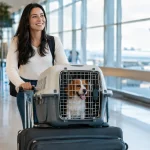


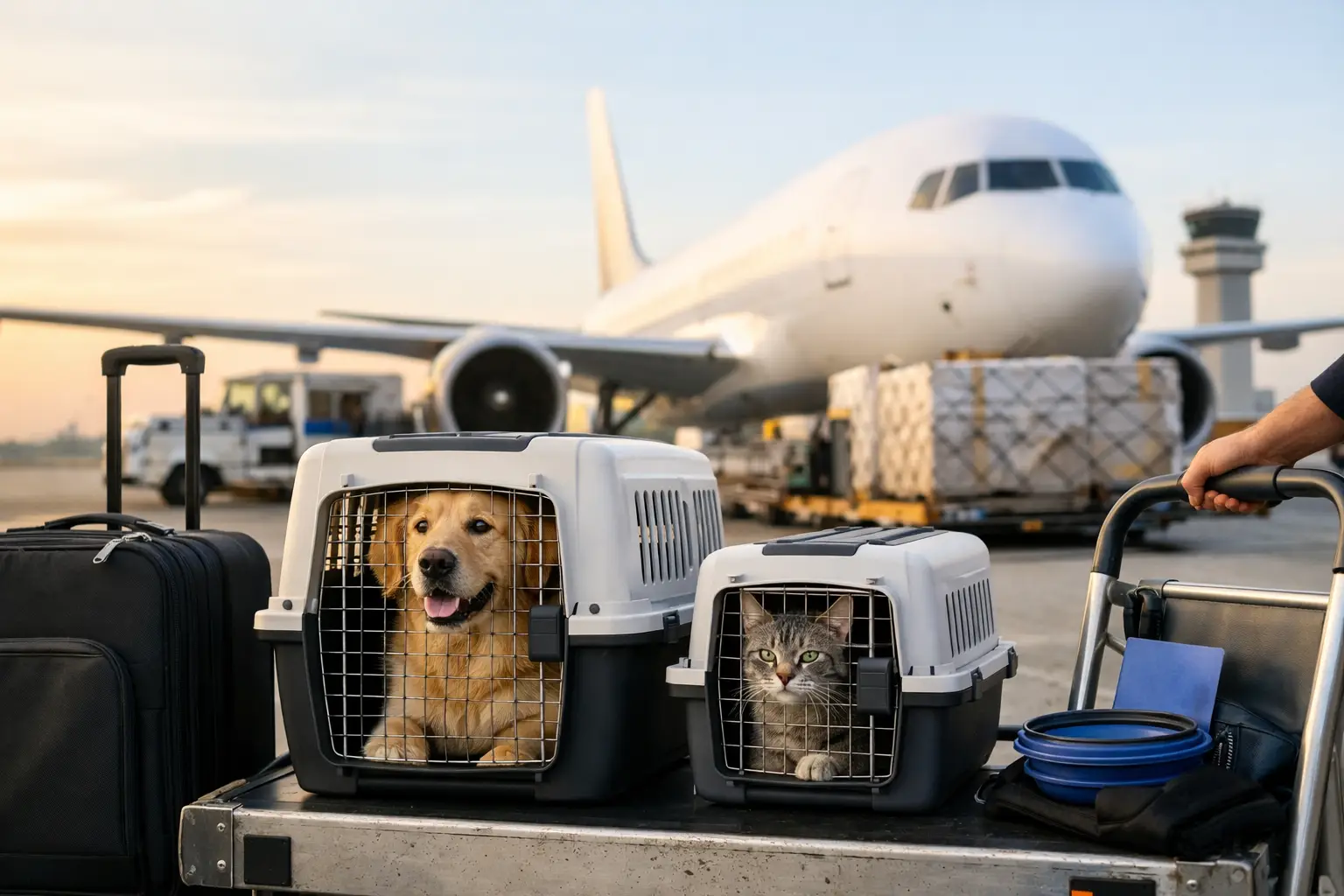

A missed document, an airline crate issue, or a health certificate completed on the wrong date can turn a family move into a frightening delay for a pet. That is why finding the best international pet shipping companies is less about choosing the lowest quote and more about choosing a team that understands every handoff in the journey.
For pets traveling to, from, or through Panama and Central America, the details are rarely simple. Each destination has its own import rules, vaccination timing, airline requirements, customs procedures, and sometimes breed or species restrictions. A qualified pet relocation company brings those moving parts into one clear plan, so you can focus on preparing your family and helping your pet feel secure.
What the Best International Pet Shipping Companies Actually Do
International pet transport is not simply booking a pet onto a flight. A dependable provider coordinates the process before departure, during travel, and after arrival. That may include reviewing destination requirements, organizing veterinary documentation, confirming airline routing, preparing travel crates, arranging customs clearance, and coordinating safe delivery at the destination.
The strongest companies also recognize that every move has a different level of complexity. A healthy dog flying directly with its family may need a focused document review and airline coordination. A cat relocating on a multi-leg itinerary, a bird requiring specialized permits, or a pet entering a country with rabies controls may need considerably more planning.
A full-service provider should explain which parts of the journey they will manage and which actions remain with you, such as veterinary appointments or providing original records. Clear ownership prevents assumptions at the exact moment when timing matters most.
Start With Destination-Specific Knowledge
General international experience matters, but local knowledge is often what prevents avoidable problems. Requirements can change with little notice, and the interpretation of rules at an airport or border can vary by country. The right company should be able to speak clearly about the destination, the transit points, and the travel method being considered.
For example, moving a pet into Panama may involve import permits, endorsed health paperwork, vaccination records, arrival coordination, and customs clearance. Travel across Central America can introduce separate requirements at each border, even when the distance between countries is short. A relocation partner with practical regional experience can identify these details early, before flights are booked or certificates are issued.
Ask how the company verifies current regulations. A reassuring answer is specific: they should describe how they review official requirements, coordinate with the appropriate authorities when needed, and build document timelines around your actual departure date. Be cautious if a provider gives broad assurances without asking where your pet is traveling, how it will travel, or whether it has any special circumstances.
Documentation Is a Timeline, Not a Checklist
Pet travel paperwork has expiration windows. Some health certificates must be issued within a particular number of days before arrival. Vaccinations may need to be completed far enough in advance to qualify. Rabies FAVN titer testing, when required, can add laboratory processing and waiting periods that affect the entire schedule.
The best providers work backward from the arrival date. They create a realistic sequence for vaccinations, microchip verification where applicable, lab testing, veterinary visits, government endorsements, permits, and flight departure. This approach is especially valuable for families moving on a fixed work assignment, property closing, or school schedule.
Look for Real Airline and Routing Expertise
The shortest route is not always the best route for a pet. Direct flights may reduce handling, but availability, seasonal restrictions, aircraft type, weather, airport facilities, and destination rules can all affect whether that option is appropriate. A good pet transport company evaluates routing with your pet’s welfare and compliance in mind.
Ask whether the provider considers layover length, transfer procedures, airline pet acceptance rules, and contingency planning. If a flight is delayed, canceled, or rerouted, someone must know who is responsible for the pet and how the next step will be managed. This is where hands-on operational experience matters far more than a simple flight reservation.
Crate guidance deserves the same attention. Airlines have specific requirements for crate size, ventilation, construction, labeling, and absorbent bedding. A crate that seems comfortable at home may not be airline compliant. Your provider should help confirm that your pet can stand, turn around, and lie down naturally while meeting the carrier’s requirements.
Consider the Right Travel Method for Your Pet
Pets may travel in cabin, as accompanied baggage where permitted, or as air cargo. There is no universal best option. The right choice depends on the pet’s size, the airline, the route, the destination, your travel plans, and applicable regulations.
In-cabin travel can be comforting for some owners, but cabin space limits and airline rules make it unavailable for many pets. Cargo travel is often necessary for larger dogs and for relocations where owners are traveling separately. When carefully planned by experienced professionals, cargo transport can be a safe, structured option with appropriate handling from check-in through arrival.
A reputable company will explain the trade-offs honestly rather than promising a preferred method before reviewing the full itinerary. Your pet’s comfort and safety should lead the recommendation.
Questions to Ask Before You Choose a Provider
A thoughtful consultation should feel organized, not rushed. The company should ask about your pet’s species, breed, age, size, health considerations, current vaccinations, origin, destination, proposed travel date, and whether you are traveling with your pet. Those questions are signs that they are assessing the real move, not offering a generic package.
Before making a decision, ask these practical questions:
- Who will manage permits, health certificates, government endorsements, and customs clearance?
- How do you confirm airline acceptance and crate compliance before travel day?
- What support is available if flights change or documentation needs correction?
- Do you coordinate arrival services and home delivery when required?
- Have you handled relocations involving my destination, transit route, or pet species?
Pay attention to the clarity of the answers. A trustworthy provider does not treat your concerns as inconvenient. They explain the process in plain language, identify deadlines, and let you know what could affect the plan.
Verify Professional Standards and Communication
International pet relocation is a high-trust service. Look for evidence of an established operational network, recognized industry participation, and experience managing cross-border moves. Professional affiliations can be useful indicators, but they should be matched by responsive communication and detailed planning.
Communication is especially important when your departure date is approaching. You should know who your point of contact is, what documents are still pending, when veterinary appointments need to happen, and what to expect on travel day. The right team provides reassurance through preparation, not vague promises.
It is also reasonable to ask how the company handles pets with special needs. Senior pets, short-nosed breeds, pets requiring medication, birds, and exotic animals may require additional review or may face travel limitations. A responsible company will be candid about what is feasible and will never minimize health or welfare concerns simply to secure a booking.
Avoid These Common Selection Mistakes
Choosing based only on a quick estimate can create expensive complications later. A lower initial figure may not reflect airport handling, documentation coordination, customs support, crate requirements, delivery arrangements, or changes needed when a route is unavailable. Ask for a clear description of services so you can compare scope, not just a headline number.
Another common mistake is starting too late. International pet travel can require weeks or months of preparation, particularly when vaccines, permits, or titer testing are involved. Contacting a relocation specialist early gives your family more options and gives your pet a calmer, better-organized journey.
Finally, avoid relying on online advice that is not specific to your route. Requirements for a pet entering one country may be completely different from requirements for a pet leaving it, transiting through it, or arriving from a different origin country.
Choose a Partner Who Takes Responsibility
The best international pet shipping companies make a complicated move feel manageable because they take responsibility for the details that cannot be left to chance. They combine regulatory knowledge with practical airline coordination, careful documentation, customs support, and respectful handling of the animal at the center of the move.
At Panama Pet Relocation, that means building a personalized plan around your pet, your route, and your timeline, with support from departure preparation through safe arrival. The goal is not simply to get your pet across a border. It is to help your family begin the next chapter knowing your companion was cared for every step of the way.
Start planning early, ask precise questions, and choose the team that gives you clear answers. Your pet deserves a journey planned with the same care you would give any other member of your family.