



When a Rabies Blood Test for Dogs Is Needed
August 5th, 2026 | Uncategorized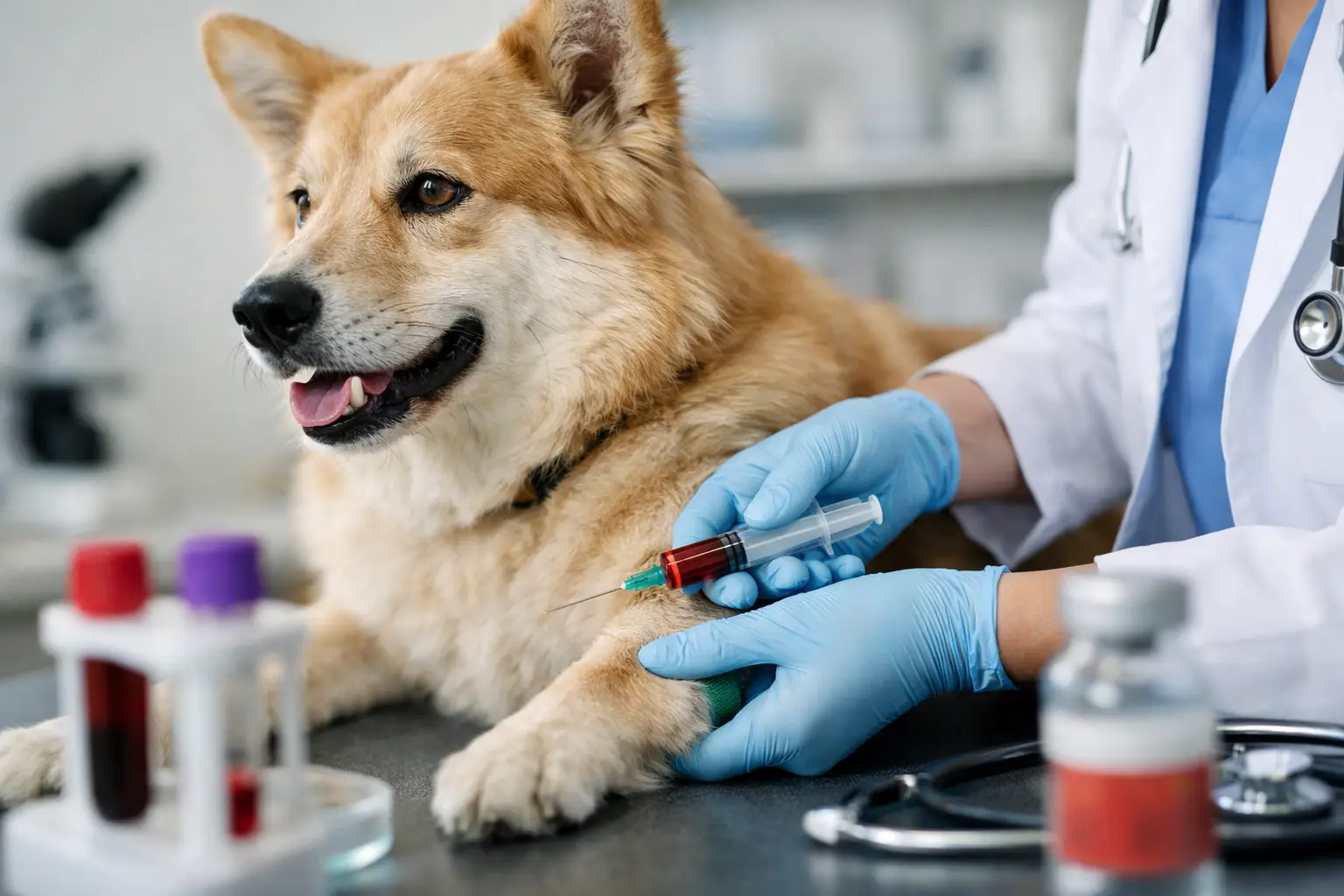
A rabies blood test for dogs can be the single document that determines whether an international move stays on schedule or becomes a last-minute delay. For families traveling with a dog, the test is not simply a veterinary appointment. It is a timed, destination-specific requirement that must align with a microchip record, rabies vaccination history, laboratory processing, airline plans, and entry rules.
The good news is that this process is manageable when it begins early. The key is understanding what the test proves, when it is required, and why a passing result does not automatically mean a dog is ready to travel.
When a Rabies Blood Test for Dogs Is Required
Many countries use a rabies antibody titer test to confirm that a dog has developed an adequate immune response after rabies vaccination. It is commonly required when traveling from a country with a higher rabies risk to a destination with strict rabies-control rules. Some destinations require it for every incoming dog, while others require it only when the dog is arriving from, or has recently visited, particular countries.
Requirements can also differ based on the travel route. A dog relocating from the United States to one country may not need a titer, but a connection, extended stay, or onward move to another country could change the documentation required. This is one reason international pet travel should be planned as a complete itinerary rather than as a single flight.
For travel involving Panama, Central America, or a worldwide destination, never assume that a titer is required or unnecessary based on another pet owner’s experience. Regulations change, and authorities may apply different rules according to the country of origin, vaccination dates, and the dog’s prior travel history.
What the Test Measures
The test measures rabies-neutralizing antibodies in a blood sample. In pet travel, it is often called a FAVN test, short for fluorescent antibody virus neutralization, although some countries accept other recognized testing methods such as RFFIT. The sample is sent to an approved laboratory, which reports the antibody level on an official certificate.
A result of at least 0.5 IU/mL is widely used as the acceptable threshold for international movement. However, the destination country’s rules control. A laboratory result at or above the usual threshold is encouraging, but it must be issued by an accepted lab and supported by a valid vaccination record to satisfy entry requirements.
The titer does not diagnose rabies, and it does not replace a rabies vaccination certificate. It shows that the dog’s immune system responded to vaccination. Border officials may still review the microchip number, vaccine product, vaccination date, veterinarian details, test date, laboratory credentials, import permit, and health certificate.
Timing Is the Part That Cannot Be Rushed
A titer test has a sequence. In many cases, the dog must first be microchipped, then vaccinated against rabies, then wait a required period before blood is drawn. The wait after vaccination is often 30 days, but the correct interval depends on the destination and the dog’s documented vaccination history.
After the blood draw, there may be another waiting period before travel is permitted. Some destinations require several months to pass from the sample collection date, particularly for dogs entering from countries they classify as higher risk. This waiting period is set by the importing country, not by the laboratory or airline, so an expedited shipment cannot eliminate it.
Laboratory turnaround also needs room in the travel plan. Shipping the sample, processing it, receiving the original result, and correcting any unexpected documentation issue can take weeks. A family that begins the process only a month before departure may have very limited options if the result is delayed or does not meet the required level.
A practical planning window is often several months before an international move. The exact schedule depends on the destination, but starting early protects the dog from unnecessary repeat procedures and protects the family from having to separate travel plans.
A careful testing sequence
The proper order usually looks like this:
- Confirm the import rules for the destination and every country involved in the route.
- Verify that the dog’s microchip is readable and that its number appears correctly on veterinary records.
- Confirm the rabies vaccine is valid and meets the timing rules for the planned blood draw.
- Schedule the blood draw after the required post-vaccination waiting period.
- Send the sample to a laboratory accepted by the destination, then preserve the original result with the rest of the travel file.
Small date errors can have large consequences. For example, a rabies vaccine given before microchipping may not be accepted by a destination that requires the chip to be in place first. A booster that was allowed to lapse may also be treated differently from a continuously current vaccination series. These details are highly country-specific.
Why Dogs Sometimes Need a Second Test
Most properly vaccinated dogs develop sufficient antibodies, but a result below the required threshold can happen. Age, immune status, vaccine timing, prior medical history, and individual response may all play a role. A low result does not mean a dog is unsafe or sick. It means the test result does not meet that destination’s travel standard at that time.
When a result is insufficient, the next step is usually to speak with the veterinarian about revaccination and retesting. That can reset parts of the travel timeline, especially if the destination requires a new waiting period after the new blood sample. For this reason, testing well ahead of a fixed relocation date is far less stressful than treating the titer as a final-week task.
Pet parents should also avoid scheduling unnecessary repeat titers. If a dog has a qualifying result and maintains an uninterrupted rabies vaccination record, some countries may recognize that result for an extended period. Other countries have expiration rules or require a new result under certain circumstances. The right answer depends on the destination, not on a general rule found online.
Documents That Must Match
International pet travel paperwork works as a chain. Each document supports the next one, and one inconsistent detail can interrupt the process. The dog’s name, species, sex, breed, date of birth, and especially microchip number should be consistent across the rabies certificate, titer report, health certificate, permit, and airline booking.
Keep original vaccination certificates and laboratory results in a protected travel folder. A scanned copy is useful for planning, but some authorities require original documents or specific endorsements. Your veterinarian may also need the titer result when preparing the final health certificate, so it should not be treated as a document that can be located at the airport.
Airline rules are separate from government import requirements. An airline may accept a dog for transport while the destination’s authorities still require additional documentation for entry. Conversely, a complete import file does not guarantee an airline’s pet capacity, aircraft, crate, or temperature restrictions will work for a particular date. Both sides of the journey need to be coordinated.
Planning With the Dog’s Comfort in Mind
The most reliable travel plan is not always the fastest one. A dog may need a quieter routing, an extra day between connections, or a departure date that allows time for veterinary paperwork to be completed without pressure. This matters even more for senior dogs, anxious travelers, brachycephalic breeds, or families moving during periods of extreme heat.
Professional relocation support can be especially valuable when titer testing is part of a larger move. Panama Pet Relocation coordinates rabies FAVN titer testing support alongside veterinary documentation, routing, customs requirements, and arrival planning, so families can make decisions from one organized timeline rather than trying to reconcile separate instructions.
Begin with the destination’s current rules, then work backward from your intended travel date. A well-timed rabies titer gives your dog more than a laboratory result: it gives your family the breathing room to travel with confidence and keep your dog’s move as calm, safe, and predictable as possible.