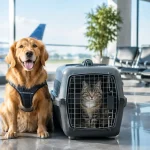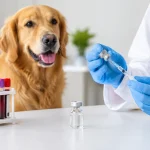




A missed date on a veterinary form can turn a carefully planned pet move into a last-minute scramble at the airport. When families ask about a pet travel health certificate Panama requirements usually sit at the center of the entire process, because that certificate connects your pet’s medical status, vaccination history, and travel eligibility in one critical document.
The challenge is that a health certificate is not just a routine vet note. For international travel, it has to be issued at the right time, contain the right details, and match the rules for the country your pet is entering or leaving. If any part of that chain is off, even a healthy pet can face delays, rebooking, or additional inspection.
What a pet travel health certificate for Panama actually does
A pet travel health certificate confirms that a licensed veterinarian has examined your pet and found it fit for travel, free from signs of infectious disease, and compliant with the vaccination or testing rules tied to the trip. For dogs and cats, that usually includes identifying information, vaccine records, exam findings, and the vet’s certification date.
For Panama travel, the certificate is one of the documents authorities and transport providers may rely on to verify that your pet meets entry or exit requirements. Airlines may also review it before accepting the animal for transport. That means the certificate has to work on two levels at once – regulatory compliance and practical travel clearance.
This is where many pet owners get tripped up. A local vet may provide a general certificate of health, but international movement often requires a very specific format, timing window, and supporting paperwork. A document that looks complete can still be unusable if it does not match the destination rules.
Timing matters more than most people expect
The most common mistake is getting the certificate too early. Many owners understandably want to check paperwork off the list well in advance, but health certificates are usually valid only for a limited period tied to travel and import rules.
That creates a narrow planning window. Your pet may need vaccines, parasite treatment, lab work, or a rabies titer on one timeline, while the final veterinary exam and certificate must happen closer to departure. Those steps have to be coordinated in the right order.
If you are moving on a fixed date, it helps to think backward from the flight. First confirm the destination requirements, then verify airline rules, then schedule the final exam at the correct point within the allowed travel window. If the trip includes connections, transit countries can sometimes affect document needs too.
For that reason, the right answer is not always “book the vet as soon as possible.” Sometimes the better approach is to start planning early but issue the final certificate later.
What information is usually required
A valid pet travel health certificate Panama moves depend on will generally need to match the pet and the trip exactly. While requirements vary by route and species, the core details often include your pet’s name, species, breed, sex, age, color, and microchip number if applicable.
It should also include vaccine details, especially rabies information when required, along with the date of the veterinary examination. The veterinarian may need to certify that the animal shows no signs of contagious disease and is fit to travel. In some cases, supporting records such as import permits, lab reports, owner information, and itinerary details need to align with the certificate as well.
This is why consistency matters. If the microchip number on one form differs from the vaccine record, or the owner name does not match the booking, that can create questions at exactly the wrong moment. Small clerical issues often cause outsized stress.
The vet visit is important, but it is not the whole job
Many people assume the veterinary appointment is the hard part. In reality, the exam is only one piece of a larger compliance process. Your veterinarian checks your pet’s health status, but international travel often also involves document review, government endorsement in some cases, and coordination with cargo handlers or airline staff.
That distinction matters because even an excellent local clinic may not regularly prepare travel documents for cross-border pet moves. Some are very familiar with domestic travel certificates but less familiar with international formatting, endorsement steps, or destination-specific wording.
It is not a question of whether your vet is good. It is a question of whether the documents are travel-ready for your exact route. Those are not always the same thing.
Common issues that delay a pet’s trip
Most delays come from paperwork mismatches rather than medical problems. A rabies vaccine given outside the accepted timing window can be an issue. So can an unsigned form, a certificate issued too early, or a missing supporting document.
There are also cases where owners book flights before confirming breed restrictions, crate standards, weather limitations, or transit handling requirements. Then the health certificate is technically correct, but the trip still cannot move as planned.
Exotic pets, birds, and wildlife cases add another layer. These moves may involve additional permits, species-specific documentation, and agencies beyond standard pet travel channels. In those situations, the certificate remains essential, but it is only one document in a much more specialized file.
How to prepare for a pet travel health certificate in Panama
The most effective approach is to organize the process early, even if the final certificate comes later. Start with your pet’s vaccine records and identification details. Make sure names, dates, and microchip information are consistent across every record you have.
Next, confirm the destination country’s current rules for entry or export. Do not rely on an old checklist from a previous move or advice that worked for a friend on a different route. Requirements can shift, and what applies to one country may not apply to another.
Then coordinate with a veterinarian who understands travel documentation or with a relocation specialist who can guide the process. This is especially valuable if your move includes multiple countries, a tight timeline, or any required lab testing. The goal is not just to collect documents. It is to collect the right documents in the right order.
Finally, review the travel booking itself. Airline acceptance standards, crate dimensions, and check-in procedures should line up with the medical paperwork. A complete file only helps if the travel plan is operationally sound.
When professional support makes sense
Some families can manage a straightforward move on their own, especially if the route is simple and they have time to track each requirement carefully. But many relocations are not straightforward. Work transfers, retirement moves, split-family itineraries, and international connections all increase the chance of a paperwork or timing problem.
That is where hands-on support can make a real difference. A specialist can help align veterinary timelines, import and export documents, airline booking details, and customs clearance steps so that the health certificate is not handled in isolation. For pet owners already managing a household move, that coordination often removes the most stressful part of the process.
Panama Pet Relocation works with families who want that level of support because the stakes feel personal. Your pet is not cargo to you, and a document issue is never just a document issue when it affects your animal’s comfort and safety.
What pet owners should ask before travel day
Before departure, you should be able to answer a few basic questions with confidence. Is the certificate still within its valid travel window? Do the vaccine records and identification details match across all documents? Has every required endorsement, permit, or supporting record been completed? Does the airline booking reflect the same pet details shown on the medical paperwork?
If any of those answers are uncertain, it is worth checking again before travel day. The earlier a problem is found, the easier it usually is to fix.
A calm process starts with the right paperwork
A pet travel health certificate for Panama is not just another form to file. It is one of the documents that helps protect your pet’s ability to move safely, legally, and without unnecessary disruption. When the timing, medical records, and travel plan all line up, the trip becomes far more manageable for everyone involved.
If your move is coming up, give the paperwork the same attention you give the flight itself. That one step can spare you a great deal of stress and help your pet start the journey with the care they deserve.