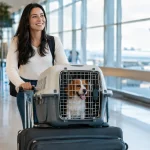




Moving a pet internationally rarely feels like a single purchase. When families ask about pet relocation Panama cost, what they usually want to know is why one move looks straightforward on paper and still ends up having so many moving parts. That is a fair question, because the total cost is shaped less by one flat fee and more by the details of your pet, your route, your timing, and the level of support you need.
For some pets, the process is relatively simple. For others, one missing document, a seasonal airline restriction, or a connecting flight can change the plan quickly. Understanding what drives cost helps you budget more realistically and avoid the expensive kind of surprise – delays, repeat vet visits, reissued paperwork, or travel changes at the last minute.
What affects pet relocation Panama cost most
The biggest factor is the route itself. A direct trip is usually simpler to coordinate than an itinerary with multiple connections, overnight holds, or airline changes. If your pet is moving into Panama, out of Panama, or onward through Central America to another destination, each border crossing and carrier requirement can add another layer of coordination.
Your pet’s size also matters. Larger pets may need bigger travel kennels, more cargo space, and fewer flight options. That can affect both scheduling and total transport expense. Smaller pets sometimes have more flexibility, especially if in-cabin travel is allowed for the route and the pet meets airline requirements, but that option depends heavily on the airline, destination, and pet type.
Then there is species and breed. Dogs and cats follow one set of common procedures, while birds, exotic pets, and wildlife cases may involve additional permits, agency approvals, or handling requirements. Certain breeds may face airline restrictions or heat embargoes, which can narrow travel windows and make planning more specialized.
Timing plays a bigger role than many people expect. If you are planning well in advance, there is usually more room to coordinate veterinary appointments, testing, crate training, and flight availability in the right sequence. If the move is urgent, faster processing can mean fewer airline choices and more pressure on every administrative step.
Paperwork and compliance often shape the real cost
A large portion of pet relocation Panama cost comes from compliance work rather than the physical flight alone. International pet travel is document-heavy, and each country can require a specific combination of health certificates, vaccination records, import permits, endorsements, and customs clearance steps.
This is where do-it-yourself planning can look cheaper at first and become more expensive later. If paperwork is completed too early, too late, or in the wrong format, you may need a second veterinary appointment or updated certificates. If a test result is missing or a permit is not approved in time, the pet may not be able to travel as scheduled. Those disruptions create costs that are hard to predict but easy to trigger.
Rabies compliance can be one example. Some routes require additional testing such as a rabies FAVN titer, and those timelines do not always align neatly with a household move date. If that requirement applies, it can affect your entire schedule. Families who wait until the last minute often find that the issue is not willingness to pay more, but simply that biology and government processing times cannot be rushed.
Customs handling is another variable. Depending on the origin and destination, clearance may be straightforward or highly procedural. When a pet arrives after a long journey, the goal is not just technical compliance. It is getting the pet released promptly and safely, with no confusion at the airport and no unnecessary waiting.
Transport method changes the budget
Not every pet move uses the same travel format, and support level has a direct effect on cost. Some owners want airport-to-airport arrangements and are comfortable managing the pre-travel steps, check-in coordination, and arrival process themselves. Others prefer full-service relocation, where a professional team handles the documentation flow, routing, customs coordination, and delivery.
Neither option is automatically right for everyone. It depends on your schedule, confidence with international paperwork, and tolerance for risk. Families relocating with children, managing a household move, or traveling on a fixed timeline often decide that hands-on support is worth it because it removes the burden of chasing approvals and interpreting airline rules.
Door-to-door service can also increase the total cost, but it reduces handoff points and simplifies the experience for both owner and pet. The same is true for in-cabin concierge support on eligible routes. It is not necessary for every move, but for anxious pets, first-time international travelers, or owners who cannot accompany the animal personally, it can provide meaningful peace of mind.
Why airline rules can make pricing feel inconsistent
Airlines do not handle pets the same way. One carrier may accept a route or kennel size that another will not. Seasonal heat restrictions can affect travel dates, especially for larger dogs or breeds with respiratory sensitivity. Some airlines limit pet movement on certain aircraft types, and some do not serve every route year-round in the same way.
That is why pet relocation pricing can feel inconsistent if you are comparing rough estimates from different sources. The route that looks cheaper may rely on a connection that is risky for your pet, a travel window that is too narrow, or an airline policy that changes once your exact kennel dimensions are reviewed. A practical plan is not always the lowest-looking plan.
The travel crate itself also matters more than people think. Airlines require approved kennel sizes, proper labeling, ventilation, and fit. If a kennel is too small, the pet may be refused. If it is larger than expected, it may change the booking category. Getting the crate right is both a welfare issue and a planning issue.
Pet relocation Panama cost depends on support before travel too
Much of the value in professional relocation happens before departure day. Veterinary scheduling, vaccination review, crate guidance, import or export permit timing, airline space requests, and country-specific compliance checks all happen in a sequence. If that sequence is wrong, the move can stall.
This is especially relevant for families balancing real-life pressure around a move. You may be closing on a home, shipping household goods, arranging schools, or managing your own immigration timeline. In that situation, pet relocation is not a side task. It is a specialized project with legal, medical, and logistical elements.
A managed relocation service helps reduce the chance that you will spend money correcting preventable mistakes. That does not mean every move needs the same level of service. Some clients need a narrow piece of support, such as document coordination or customs assistance. Others want a team to handle every step from planning through home delivery. The right level depends on how complex the route is and how much responsibility you want to carry yourself.
How to budget realistically without chasing a single number
If you are trying to estimate pet relocation Panama cost, the best starting point is not a generic price range. It is a clear inventory of your move. Consider the pet’s species, breed, size, age, health status, origin city, destination city, target travel date, and whether you want airport-only or full-service handling.
It also helps to ask a different question than How much does pet relocation cost? Ask What could complicate my pet’s move? If your pet needs a larger crate, if your route includes more than one airline, if your destination requires import approvals, or if your timeline is tight, those details matter more than any broad online estimate.
Good planning usually saves money in indirect ways. It reduces the chance of duplicate paperwork, missed travel windows, emergency rebooking, and stressed decisions made under time pressure. It also gives your pet more time to prepare, especially if crate acclimation or special veterinary steps are needed.
For many families, the real value is not finding the lowest possible figure. It is knowing the move is compliant, organized, and built around the pet’s welfare from start to finish. That is the difference between buying transport and arranging a proper relocation.
When your pet is crossing borders, cost should be viewed alongside reliability, timing, and care. A well-planned move protects more than your budget. It protects your pet’s journey, your schedule, and your peace of mind.