


A pet’s travel date can look simple on a calendar and still turn into a complicated chain of deadlines, approvals, airline rules, and veterinary requirements. That is why pet export services from Panama matter so much for families planning an international move. When the paperwork is off by a day, a vaccine is missing, or a crate does not meet airline standards, the risk falls on the pet and the owner. Professional export support exists to prevent that.
For most families, the challenge is not just getting a dog or cat onto a flight. It is coordinating every moving part so the animal can leave legally, safely, and with as little stress as possible. That includes health certificates, country-specific import rules, vaccine timing, government endorsements when required, airline booking restrictions, customs procedures, and arrival planning at the destination. If you are relocating for work, retirement, family, or a lifestyle change, it helps to have one team managing the process instead of trying to piece it together from multiple sources.
What pet export services from Panama actually include
A full-service export move is much more than transportation. It starts with route and eligibility planning. Before any flight is booked, the destination country’s pet import rules have to be reviewed in detail. Some countries accept a straightforward health certificate and vaccination record. Others require microchipping in a specific order, rabies waiting periods, parasite treatments, import permits, or rabies FAVN titer testing completed within a set timeline.
That early planning stage is where many avoidable problems are caught. If a pet’s vaccine history does not line up with the destination rules, that issue needs to be identified before travel is scheduled. If the airline only accepts pets on certain aircraft or during certain temperatures, those restrictions need to shape the itinerary. Good export service is not reactive. It is organized well in advance.
From there, the process usually includes veterinary coordination, document preparation, airline arrangements, and export handling. Depending on the move, it may also include customs clearance, airport check-in support, home pickup, delivery on arrival, and hand-carried in-cabin concierge service. For some families, the right solution is airport-to-airport. For others, especially those managing an international household move, door-to-door handling provides more control and less pressure.
Why exporting a pet is rarely a DIY task
On paper, it can seem manageable. A few forms, a vet visit, a flight reservation. In practice, every destination has its own rules, and airlines have their own standards layered on top. Those standards can change with season, aircraft type, transit point, breed limitations, and cargo facility procedures. Even when pet owners are careful and capable, it is easy to miss a small requirement that causes a major delay.
The hardest part is that pet travel is time-sensitive. Documents often have narrow validity windows. Vaccines must be given within specific periods. Endorsements may need to happen after the final exam but before departure. If a flight changes, those windows may need to be recalculated. That is where experienced handling makes a real difference. The work is not only administrative. It is logistical, regulatory, and operational all at once.
Families also carry the emotional weight of the move. When you are already managing housing, shipping, schools, job timelines, or immigration matters, pet export can become one more high-stakes task on an already crowded list. Handing that process to specialists lets owners focus on their move while knowing their pet’s journey is being monitored carefully.
The steps that shape a successful export
Most well-managed exports follow a clear sequence, even though the details vary by destination. The process starts with reviewing the pet’s species, breed, age, health status, and travel destination. That information determines the rule set. A dog going to one country may need only standard veterinary paperwork, while a cat going elsewhere may need an import permit and advance notice with authorities.
Next comes timeline building. This is one of the most valuable parts of professional support because the order matters. Microchip placement may need to happen before a rabies vaccine. A blood test may need to be drawn after a waiting period. The final health certificate may need to be issued very close to departure. A relocation plan turns those scattered requirements into a usable schedule.
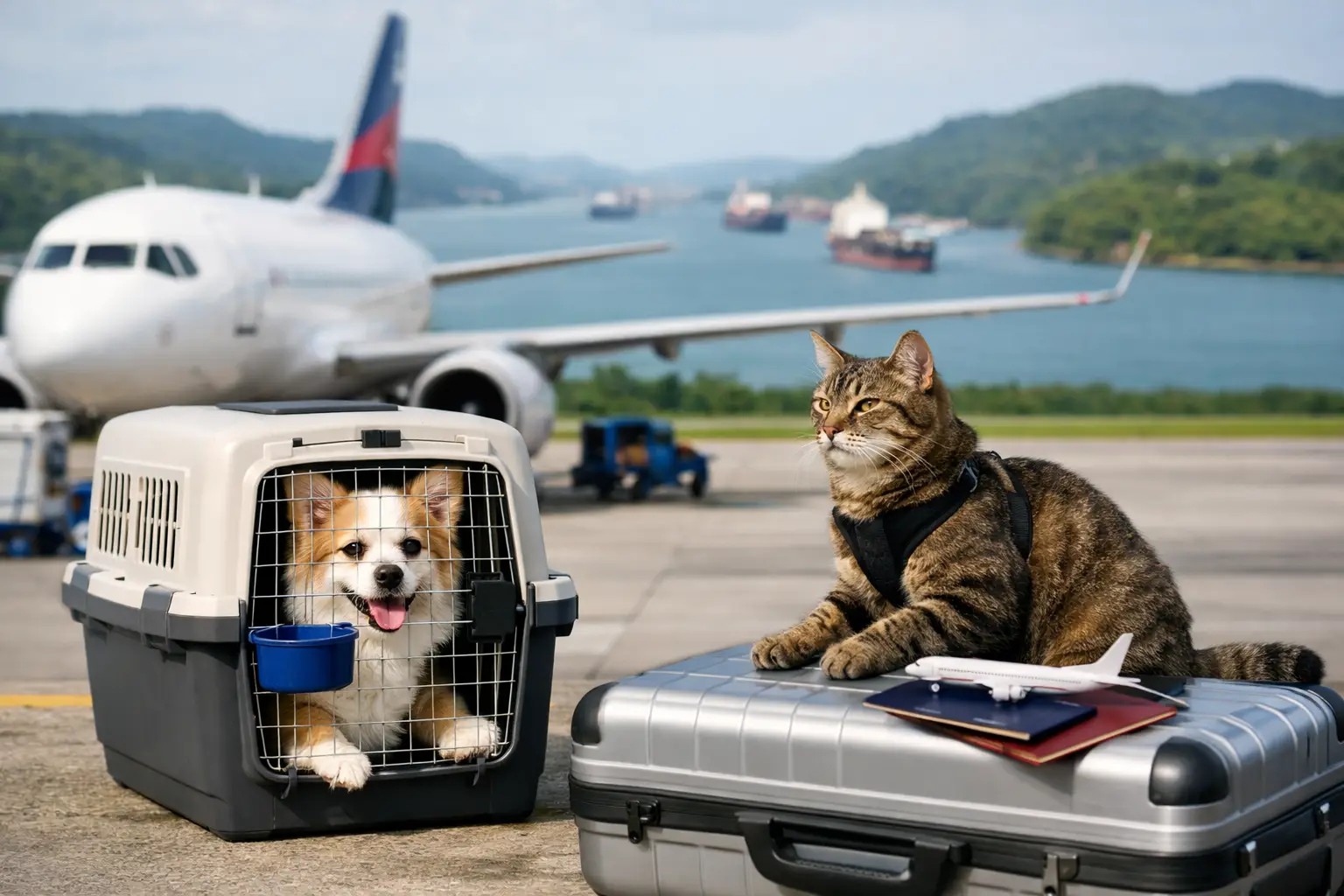
Then comes travel preparation. That includes selecting the right crate size, helping the pet get comfortable with it, checking airline kennel requirements, and confirming whether the animal will travel as manifested cargo, checked baggage where allowed, or in cabin if the route and pet qualify. Not every option is available for every move, and the best choice depends on the destination, the airline, and the pet’s needs.
Finally, there is departure execution. This is where details matter most. Documents must match exactly. The pet must arrive at the airport at the proper time. Staff must know where the animal is being tendered and which procedures apply. If the pet is arriving into a country with customs or veterinary inspection on landing, that part should already be coordinated before wheels up.
Special cases need more than standard paperwork
Not every export is a basic dog or cat relocation. Birds, exotic animals, and wildlife cases often involve a deeper level of documentation and regulatory review. Some species require permits beyond standard pet travel paperwork. Others involve conservation controls, special container standards, or agency approvals that take longer to arrange.
These moves are possible, but they require careful case management. The same is true for brachycephalic breeds, senior pets, pets with medical conditions, and multi-pet households. A route that works well for one healthy dog may not be the safest or most practical option for a snub-nosed cat or an older pet that needs tighter handling. This is where personalized planning matters more than generic advice.
What to look for in a pet export provider
Trust is the real product in this industry. Families are not just hiring someone to move paperwork. They are trusting a team with an animal that is part of the family. That means experience should be visible in the way the provider communicates, plans, and anticipates issues.
A strong export partner should be able to explain the destination requirements clearly, lay out the steps in order, and tell you what depends on timing, airline availability, or government approval. They should also be realistic. Not every route is ideal. Not every date is possible. Reliable providers do not promise easy answers when the route is actually complex.
It also helps to work with a team that knows regional movement patterns and international coordination. Panama Pet Relocation, for example, supports exports out of Panama as well as moves across Central America and worldwide, which matters when a trip includes connecting countries, specialized customs handling, or onward delivery. Regional knowledge can save time because it reduces guesswork at the exact points where mistakes tend to happen.
How families can make the process easier on their pets
Even with professional support, owners still play an important role in a calm and safe journey. Crate familiarity helps more than many people expect. When a pet sees the crate as a normal resting space before travel day, the experience is usually less stressful. Keeping vaccine records organized and sharing complete medical history early also helps avoid last-minute surprises.
It is also wise to start earlier than you think you need to. Some export timelines are short, but others take months because of testing schedules or country rules. Waiting too long can limit flight options or create pressure around document deadlines. Early planning gives you better choices, and better choices usually mean a smoother trip for your pet.
There is also value in being flexible where possible. A direct route may be preferable, but it is not always available. An in-cabin option may sound ideal, but it depends on pet size, airline policy, and destination rules. The right travel plan is the one that balances legal compliance, animal welfare, and realistic routing.
The real benefit of professional export support
The biggest benefit is not convenience alone. It is risk reduction. Professional pet export services from Panama reduce the chance of missed documents, invalid timelines, routing problems, and customs confusion. They also give families one point of contact through a process that otherwise involves vets, airlines, government offices, and ground handlers all working on separate schedules.
When a move is handled properly, the result feels calm because so much work has happened behind the scenes. That is what families are really looking for – not just transportation, but confidence that every step has been checked and managed with care. If your pet is moving internationally, the right support does more than get them from one country to another. It protects the journey from preventable problems and gives your family room to focus on the life waiting on the other side.