



The hardest part of an international move is often not the house, the flights, or the paperwork. It is looking at your dog, cat, or other companion animal and wondering whether one missed document or one delayed approval could disrupt the entire trip. When families ask about moving pets to Panama, they are usually not looking for generic travel tips. They want clarity, timing, and confidence that their pet will arrive safely and legally.
That concern is well founded. Pet relocation into Panama is manageable, but it is not something to leave until the last week before departure. Health requirements, airline rules, veterinary timelines, and arrival procedures all need to line up. When they do, the move can be smooth. When they do not, even a small mistake can create unnecessary stress for both pets and owners.
What moving pets to Panama really involves
On paper, the process can look simple. Your pet needs the right health documents, current vaccinations, and travel arrangements that comply with airline and import rules. In practice, each step depends on the one before it, and timing matters more than many people expect.
A routine move for a dog or cat usually includes veterinary preparation, document review, travel crate planning, flight coordination, and customs or entry handling after arrival. If your pet is older, anxious, snub-nosed, very large, or traveling during hotter months, the planning may need to be adjusted. The same is true if you are relocating on a tight deadline or connecting through more than one country.
That is why experienced pet owners often stop thinking of this as “booking pet travel” and start treating it as a relocation project. It has moving parts, deadlines, and compliance issues that need active management.
Timing matters more than most people realize
The most common problem in international pet travel is not a dramatic emergency. It is poor sequencing. A vaccine given outside the accepted window, a health certificate completed too early, or a flight booked before entry steps are confirmed can unravel an otherwise careful plan.
For families moving on work assignments, retirement schedules, or household transitions, timing tends to be compressed. That creates pressure to move fast, but fast is not always the same as efficient. Some steps can be done well in advance, while others must happen close to departure. Knowing which is which makes a major difference.
Veterinary preparation is not just a checkup
Your pet’s veterinary file needs to support travel, not simply prove general good health. Vaccination records must be current and documented correctly. In some cases, additional testing or supporting paperwork may be needed depending on the origin country, species, or route.
This is one area where owners can get tripped up by assuming their regular clinic handles international travel documents every day. Some do. Many do not. A good relocation plan accounts for veterinary coordination early enough that corrections can be made before the travel window narrows.
Airline planning is part of compliance
People often think of flights as the easy part because they can search schedules quickly online. For pets, flight planning is more technical. Aircraft type, temperature restrictions, route length, connection timing, breed policies, and kennel dimensions can all affect whether an itinerary is workable.
The shortest route is not always the best route. A direct flight may be ideal in one case, while in another, a different departure day or carrier creates a safer and more realistic plan. The right choice depends on the pet, the season, the departure city, and how arrival handling will work on the ground.
The parts owners underestimate
Most families expect paperwork. What they underestimate is how much coordination sits behind the paperwork.
Documents need to match exactly. Names, dates, vaccine details, microchip information if applicable, and veterinary endorsements all need to be consistent. If one form lists an old owner name or a slightly different pet description, that can slow down clearance or trigger avoidable questions.
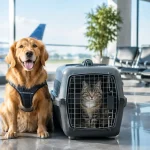
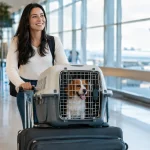
Owners also tend to underestimate how stressful crate readiness can be. A travel kennel is not just a container that meets airline size standards. It needs to be appropriate for the pet’s comfort, movement, and safe handling. Pets who have never spent time in their crate before travel day usually have a harder experience than pets introduced gradually over time.
Then there is arrival support. After a long travel day, many owners assume the difficult part is over when the plane lands. But arrival procedures can still involve document checks, cargo coordination, customs handling, and final ground transport. Having a clear handoff plan matters.
Moving pets to Panama with dogs, cats, and other animals
Dogs and cats are the most common relocation cases, but they are not identical. A young, healthy cat traveling on a simple route may need a very different plan from a large dog flying during a warm-weather period. Temperament matters too. Nervous pets may benefit from extra crate conditioning and a quieter itinerary, while highly active dogs may need tighter scheduling around feeding, exercise, and airport check-in.
Birds, exotic pets, and wildlife-related cases add another layer. These moves often involve more specialized approvals, more detailed handling requirements, and careful species-specific planning. In those cases, experience matters even more because the margin for error is smaller and the documentation can be more complex.
Why professional support makes a difference
Some owners are comfortable managing every step themselves. If the route is straightforward, the timeline is generous, and the owner has the time to verify requirements carefully, that can work. But many international moves are happening alongside home sales, visa processing, school transitions, and job start dates. In real life, pet travel becomes one more high-stakes task competing for attention.
Professional relocation support changes that by giving the process an owner. Instead of trying to interpret changing airline rules, coordinate veterinary timing, review import paperwork, and manage arrival logistics alone, families have someone tracking the details from start to finish.
That is especially valuable when something changes. Flights get adjusted. Weather affects cargo acceptance. A document needs revision. The difference between a stressful move and a controlled one is often not whether a problem appears, but whether someone is already in place to solve it.
For families who want high-touch help, Panama Pet Relocation handles these journeys as full relocation projects rather than one-off bookings. That approach is often what gives owners peace of mind.
What a well-managed relocation feels like
A strong pet move does not feel rushed or uncertain. It feels organized. You know what your pet needs, when each step has to happen, who is responsible, and what the backup plan is if something shifts.
That includes practical guidance before travel day. Owners should know when to schedule veterinary appointments, when to stop making changes to the itinerary, how to prepare the crate, what to bring to the airport, and what to expect after landing. Good communication lowers stress because it removes guesswork.
It also includes realistic advice. Not every pet should travel the same way, and not every owner’s preferred schedule is the safest option. Sometimes the right answer is to adjust the date, change the route, or allow more lead time. Honest guidance protects the pet better than false reassurance.
How to prepare your household for the move
Pets pick up on household disruption quickly. Packing, changing routines, and travel-day tension can affect behavior long before the trip starts. The best preparation is often simple: keep routines as steady as possible, introduce the crate early, and avoid making travel day your pet’s first experience with confinement or airport-style handling.
If your pet has a history of anxiety, motion stress, or medical issues, bring that into the planning conversation early. It may affect the schedule, the route, or the pre-travel veterinary plan. Waiting until the final days rarely improves the outcome.
Families should also think past arrival. Consider where your pet will rest after the journey, how soon normal routines can resume, and whether your new home setup supports a calm adjustment. A successful relocation is not just about getting your pet onto a plane. It is about helping them settle well once the trip is done.
Moving a pet internationally asks a lot from owners because it combines logistics with emotion. But it does not have to feel chaotic. With the right planning, the right timing, and the right support, your pet’s journey can be handled with the same care you would want for any member of the family.