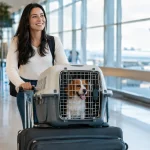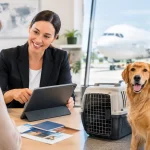


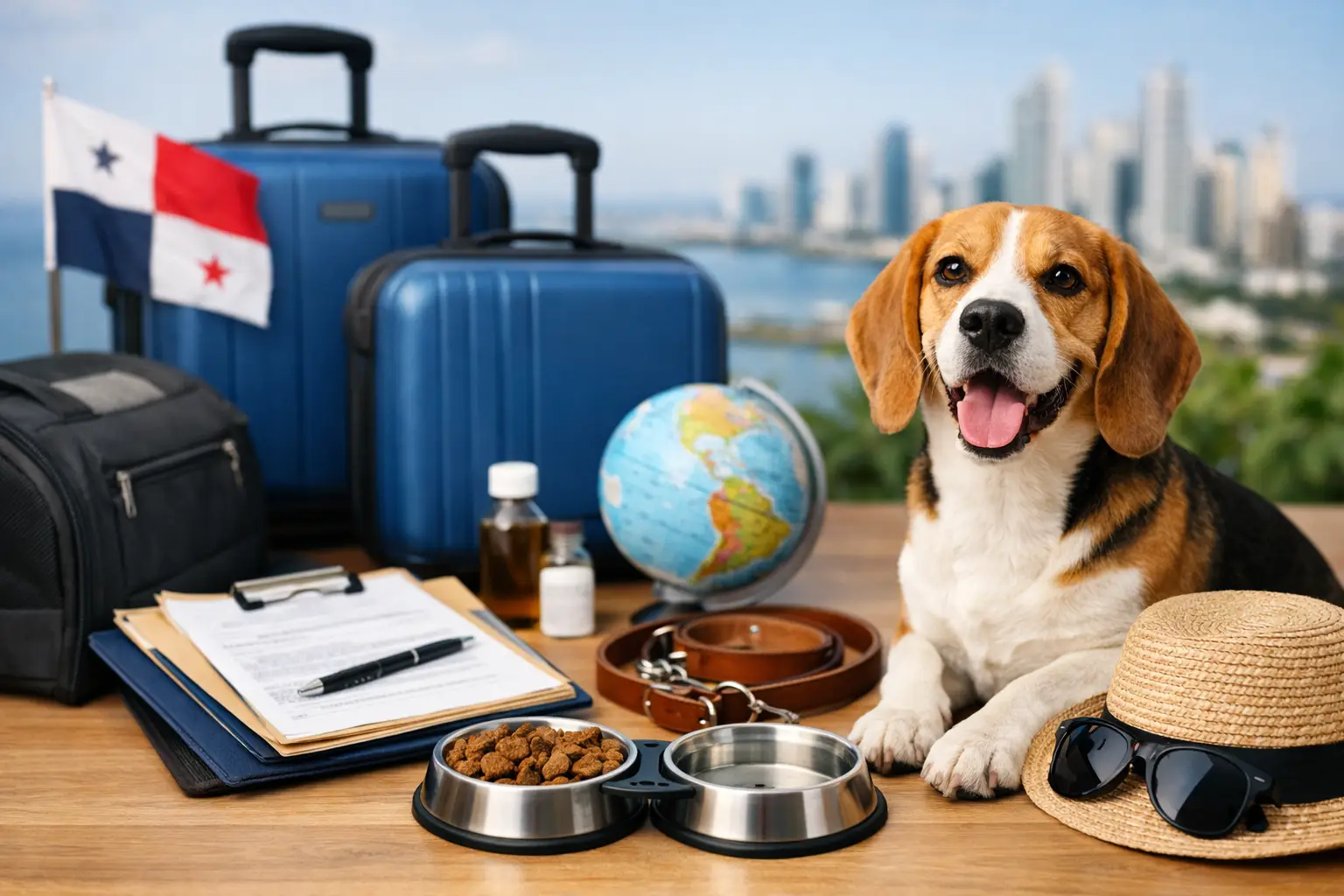

A missed signature on a health certificate can turn a well-planned move into a long, stressful delay. That is why understanding dog import requirements Panama families face is less about checking boxes and more about protecting your pet from problems at departure, arrival, or customs.
If you are moving with a dog to Panama, the process usually involves vaccination records, a veterinary health certificate, government endorsement, and carefully timed travel steps. The details can vary based on where your dog is coming from, the airline, and whether any supporting tests or treatments are needed before travel. For most pet owners, the hardest part is not caring for the dog. It is coordinating the paperwork so every document matches and every deadline is met.
What the dog import requirements Panama process usually includes
At a practical level, Panama import compliance is built around three things: identity, health status, and document timing. Authorities want to know which dog is traveling, whether that dog meets public health standards, and whether the paperwork was issued in the correct window before arrival.
Your dog will generally need a current rabies vaccination and a broader vaccination history that supports good health for travel. A veterinarian must examine the dog and issue a health certificate within the required timeframe. Depending on the country of origin and current regulations, that certificate may also need government endorsement before departure.
This is where many families get tripped up. The rule itself may sound simple, but every name, date, vaccine lot, and microchip or identifying detail needs to line up across records. If one document says “Bella Rose” and another says “Bella,” or if a vaccination date is entered incorrectly, the discrepancy can create questions when your pet is being cleared.
Timing matters more than most people expect
The biggest mistake people make is starting too late. Some parts of the import process move quickly, but others do not. Veterinary appointments fill up, endorsements take time, and airline pet space is limited on many routes.
Even when a dog is healthy and the owner has good records, last-minute planning creates risk. A health certificate issued too early may no longer be valid on arrival. Issued too late, and you may not have enough time for endorsement or final review before the flight. That narrow timing window is why international pet moves often feel more complicated than they first appear.
For households relocating on a fixed schedule, this matters even more. If your own travel date is tied to a job start, school term, lease handoff, or immigration appointment, a pet delay becomes more than an inconvenience. It can disrupt the entire move.
Vaccinations and veterinary preparation
Rabies vaccination is usually the first thing owners think about, and for good reason. It is a core part of most international pet import systems. But rabies is only one piece of the file. Your veterinarian may also need to document other routine vaccines, parasite prevention, general health findings, and proof that your dog is fit to fly.
Older dogs, flat-faced breeds, highly anxious pets, and dogs with chronic medical conditions often need more planning. The import rules may not change, but the travel plan should. A senior dog may need a route with fewer transfers. A nervous dog may need more crate conditioning well before departure. A pet with medication needs may require detailed handling instructions.
That is why paperwork and travel logistics should be planned together, not as separate tasks. A technically compliant move can still be a hard experience for the animal if the itinerary is not chosen carefully.
Paperwork issues that cause avoidable delays
When people search for dog import requirements Panama guidance, they are often looking for a checklist. Checklists help, but the real challenge is document quality. Problems usually come from inconsistencies, omissions, or assumptions.
Common issues include expired vaccines, certificates signed by the wrong type of veterinarian, endorsement delays, and records that do not match the travel booking. Breed, age, sex, and identifying marks should be consistent across every document. If the airline booking, veterinary certificate, and owner information do not align, you may be asked for clarification at the worst possible moment.
There is also a difference between what is legally required for entry and what an airline requires for transport. Those are not always the same. A dog may meet import standards but still be refused for travel if the crate is not compliant, temperatures are too high, or the route does not allow pets on that aircraft type.
Airline rules are part of the import plan
Pet owners often focus on customs requirements and forget that airlines act as gatekeepers. If the airline does not accept your dog, import approval alone will not get your pet to Panama.
Airlines may restrict pet travel based on season, breed, size, routing, and cargo capacity. Some accept small dogs in cabin on certain flights, while larger dogs usually travel as manifested cargo or checked baggage, depending on the route and carrier policy. Each option comes with its own paperwork and handling procedures.
This is one reason professional coordination can make such a difference. The best route for your pet is not always the shortest one. It may be the one with safer connection times, more pet-friendly handling, cooler transit conditions, or stronger on-the-ground support.
Customs clearance and arrival in Panama
Arrival is the point families worry about most, and understandably so. After a long travel day, no one wants uncertainty. Customs and veterinary review can move smoothly when the file is complete, but if documents are missing or inconsistent, the process can slow down quickly.
Your dog may need to be presented for inspection along with the import paperwork. Officials may review the health certificate, vaccination record, endorsement documents, and any additional import authorizations connected to the case. The goal is to confirm that the animal entering the country matches the file submitted.
This is where preparation pays off. A clean, accurate document packet reduces the chance of last-minute questions. It also helps your dog move through the arrival process with less disruption, which matters after a flight.
For many families, support at arrival is not just a convenience. It is peace of mind. Having someone manage customs clearance, coordinate handoff, and monitor each step can remove a great deal of stress from an already emotional day.
When the process is straightforward and when it is not
Some dog imports are relatively simple. A healthy pet with current vaccinations, a direct flight, and an organized owner can often move with fewer complications. But many relocations are not that simple.
The process becomes more complex when the travel date is close, the dog is coming from a country with extra testing considerations, the route includes multiple carriers, or the family is managing a full international relocation at the same time. Add children, household shipments, immigration paperwork, and housing logistics, and it becomes easy for one pet document to slip through the cracks.
There are also cases where the dog is not the only animal traveling. Households moving with multiple pets, birds, or exotic animals usually need more structured planning because each species may have different handling or permit considerations. The same is true for owners moving onward through Central America after arrival.
Why expert help matters with dog import requirements Panama cases
This is one of those situations where experience prevents problems you may never see coming. A relocation specialist is not just there to submit forms. The real value is in coordinating timing, checking document consistency, confirming route suitability, and managing the handoffs between veterinarians, government offices, airlines, and customs.
For pet owners, that support reduces both administrative stress and emotional strain. You are not left guessing whether the health certificate window is correct or whether the airline will accept the crate on the day of travel. You have a plan, a sequence, and a point of contact who understands how Panama entries work in practice.
Panama Pet Relocation handles this kind of coordination every day, which is why many families choose professional support rather than trying to piece the process together while also managing their own move. It is not only about compliance. It is about giving your dog the safest and calmest trip possible.
How to prepare your dog and your documents
Start earlier than you think you need to. Gather all veterinary records, confirm vaccine dates, and make sure your dog’s identifying information is consistent everywhere. If your dog needs a travel crate, begin crate familiarization well before the flight so the crate feels like a safe space, not a last-minute shock.
Then look at the move as one connected process. Veterinary readiness, flight booking, document issuance, endorsement, customs clearance, and arrival transport should support each other. If one part is handled in isolation, the entire trip becomes more fragile.
The good news is that most problems are preventable. With enough lead time and close attention to detail, dog import requirements Panama families face can be managed smoothly. And when your pet arrives safely, settled and greeted by familiar faces, every bit of careful planning feels worth it.
If your move is coming up soon, the kindest thing you can do for your dog is treat the travel plan as part of their care, not just part of your paperwork.