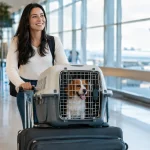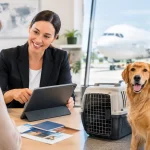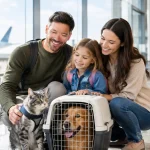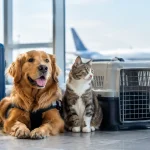


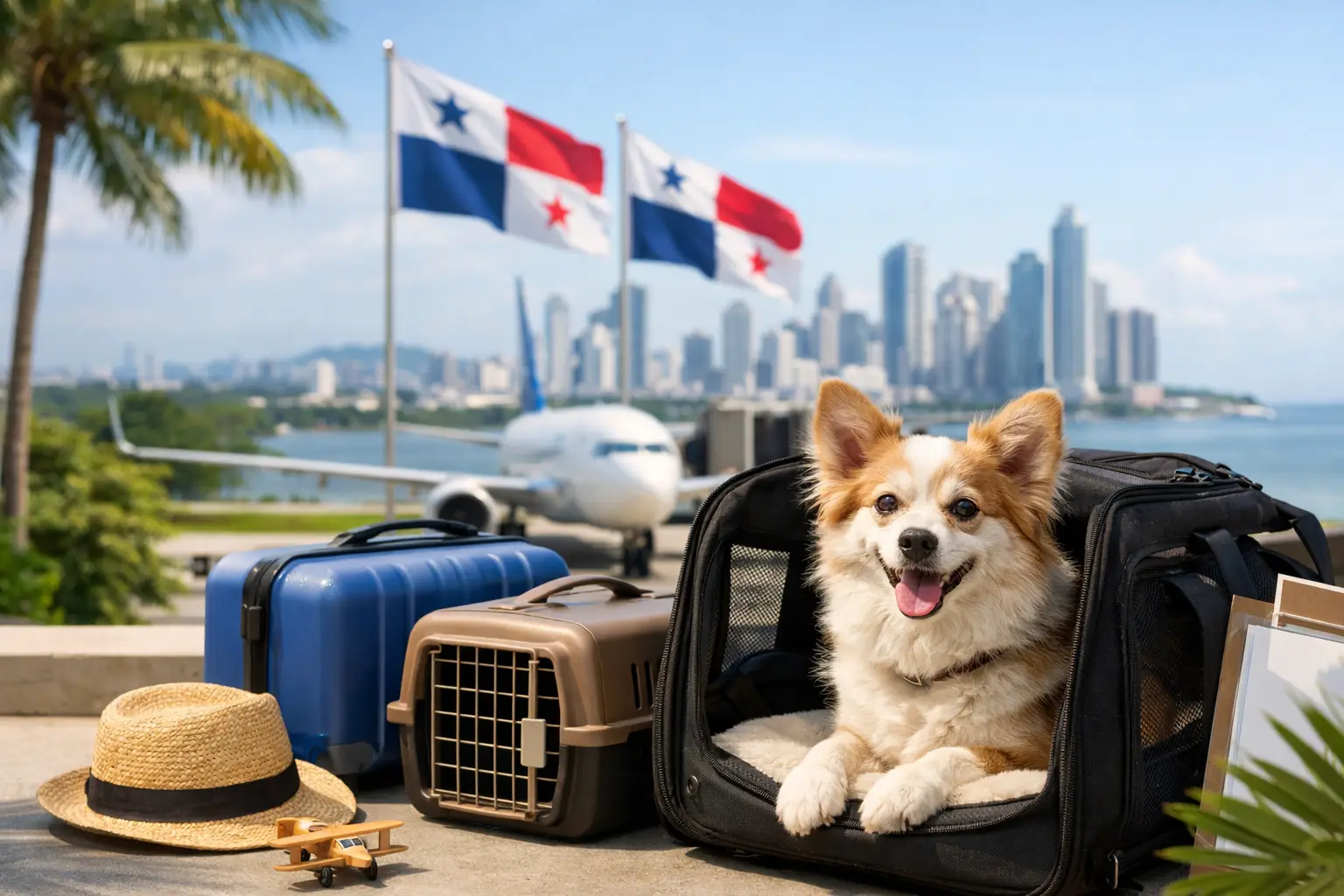

A missed signature on a health certificate or a vaccine given outside the accepted window can turn an already emotional move into a scramble at the airport. That is why pet import Panama planning needs to start earlier than most families expect. Bringing a pet into the country is absolutely manageable, but it works best when every document, veterinary step, and travel detail is lined up in the right order.
For most pet owners, the challenge is not just getting a dog or cat on a plane. It is making sure the full chain holds together – veterinary records, government paperwork, airline rules, customs procedures, arrival timing, and the pet’s comfort throughout the trip. Each part affects the next. If one piece is off, delays can happen quickly.
Why pet import Panama feels more complicated than it should
On paper, international pet travel can look straightforward. Get the vaccines done, obtain the health certificate, book the flight, and arrive. In practice, there are overlapping requirements from veterinarians, airlines, and border authorities, and they do not always move on the same timeline.
That is where people get caught. A family may be organized and still run into problems because the airline crate does not meet the route’s aircraft restrictions, or because customs clearance requires documents to be presented in a specific way, or because a connecting itinerary creates unnecessary stress for the animal. None of those issues are obvious when you first start planning.
There is also an emotional layer that makes this different from other parts of a move. If your household goods are delayed, it is frustrating. If your pet’s travel is delayed, it feels personal. Most owners are not just trying to comply with regulations. They are trying to protect a family member.
What documents usually matter most
The exact requirements depend on the pet, the country of origin, the travel route, and sometimes the timeline of specific veterinary procedures. Still, a few categories tend to matter in nearly every case.
A current vaccination record is foundational, especially where rabies compliance is concerned. The supporting health certificate is just as important, because it confirms the animal is fit to travel and reflects the veterinary details authorities expect to see. Import permits or related approvals may also be required depending on the pet and entry conditions.
For some cases, additional testing becomes part of the file. Rabies FAVN titer support, for example, can be critical when a pet’s onward travel or broader relocation plan involves destinations that require proof of antibody response. This is one of those areas where timing matters a great deal. A correct test done too late can be just as disruptive as a test not done at all.
Exotic pets, birds, and wildlife cases often require a more specialized document path. Those moves can involve extra agency review, species-specific handling, and closer coordination before any flight is booked. The farther your pet is from a standard cat or dog move, the less wise it is to assume a general checklist will cover it.
Timing is where many moves go wrong
The biggest misconception in pet import Panama cases is that paperwork can be handled at the end. In reality, the earliest planning decisions often determine whether the final week feels calm or chaotic.
Vaccines may need to be current within a defined window. Government endorsements can take time. Airline space for live animals may be limited on certain routes or seasons. If your family is also coordinating visas, shipping, home closings, or school schedules, it becomes very easy for the pet move to get squeezed into too little time.
That does not mean every move must start months and months in advance. Some are relatively straightforward. But when people ask what creates the most stress, the answer is usually compressed timelines. If there is any uncertainty around travel dates, it helps to build the pet plan around the most time-sensitive requirement first, then fit the rest of the move around it when possible.
The flight itself is only one part of the job
Owners often focus on the flight because it is the most visible part of the journey. It matters, of course, but air travel is really one segment in a larger chain.
Before departure, your pet may need crate training, feeding adjustments, pre-travel veterinary checks, and route-specific planning. During travel, airline rules, weather limits, aircraft type, layover length, and check-in procedures all affect safety and comfort. After arrival, customs clearance, document presentation, and ground transport can determine whether the experience ends smoothly or with avoidable delays.
This is why routing deserves more attention than people usually give it. The shortest itinerary is not always the best one. A nonstop flight may reduce handling, but not every pet or departure city has access to a workable nonstop option. A connection can be perfectly reasonable if the transfer point, airline handling, and timing are well chosen. The right plan depends on the pet’s size, breed, temperament, health profile, and season of travel.
When professional help makes the biggest difference
Some owners begin by trying to manage the move themselves, then realize halfway through that they are spending hours verifying forms, calling airlines, and trying to confirm rules that seem to change depending on who answers the phone. That is usually the moment they understand the value of full-service relocation support.
A professional pet transport team does more than submit documents. They build the move in the correct sequence, coordinate with veterinarians, confirm travel options, prepare for customs, and keep the owner informed without offloading the operational burden back onto the family. That matters most when the move includes multiple countries, a tight relocation schedule, unusual pet requirements, or owners who cannot afford mistakes.
It also matters for people who simply want confidence. There is a real difference between hoping your paperwork is right and knowing that each step has been reviewed by people who manage pet travel every day.
Common issues that can delay a pet import
Most delays come from a short list of preventable problems. A document may be incomplete, signed incorrectly, or issued too early. A pet may arrive on a flight that does not align well with clearance procedures. The crate may not meet specifications. The airline booking may not fully reflect the pet’s dimensions or travel category. Sometimes the veterinary work is correct, but the sequence is wrong.
Heat restrictions and seasonal operational limits can also affect planning. A route that looked workable a month ago may become problematic if weather conditions change or airline policies tighten. That is why confirmation should continue right up to departure, not just at the booking stage.
Another issue is assuming every pet import follows the same model. It does not. A healthy adult dog on a direct route is one scenario. A senior pet with medication needs, a snub-nosed breed, or a bird traveling under a different regulatory framework is another. Good planning is specific, not generic.
How a smoother arrival is created
A smooth arrival starts long before the day your pet lands. It comes from accurate records, a realistic timeline, thoughtful routing, and someone taking responsibility for the handoffs between each stage of the trip.
That includes making sure the owner understands what is needed, but it also means reducing the number of decisions the owner has to make under pressure. Families in the middle of an international move already have enough to manage. When the pet travel plan is clear and professionally coordinated, the experience feels less like a risk and more like a process.
For many households, that peace of mind is the real service being provided. Yes, there are forms, airline bookings, veterinary steps, and customs procedures. But beneath all of that is a simple goal: your pet arrives safely, legally, and with as little stress as possible.
Panama Pet Relocation works with families who need that kind of hands-on support, especially when the move involves more than just booking a flight and hoping for the best. Whether the journey is into the country, out of it, or part of a larger international relocation, the best outcomes usually come from starting early and treating the pet move as a serious logistical project, not a last-minute travel task.
If you are planning a move with a pet, give the timeline more space than you think you need. It is one of the simplest ways to protect both the process and the animal at the center of it.