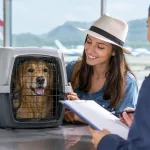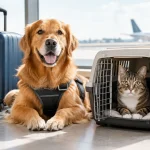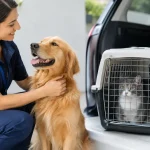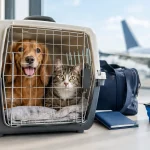


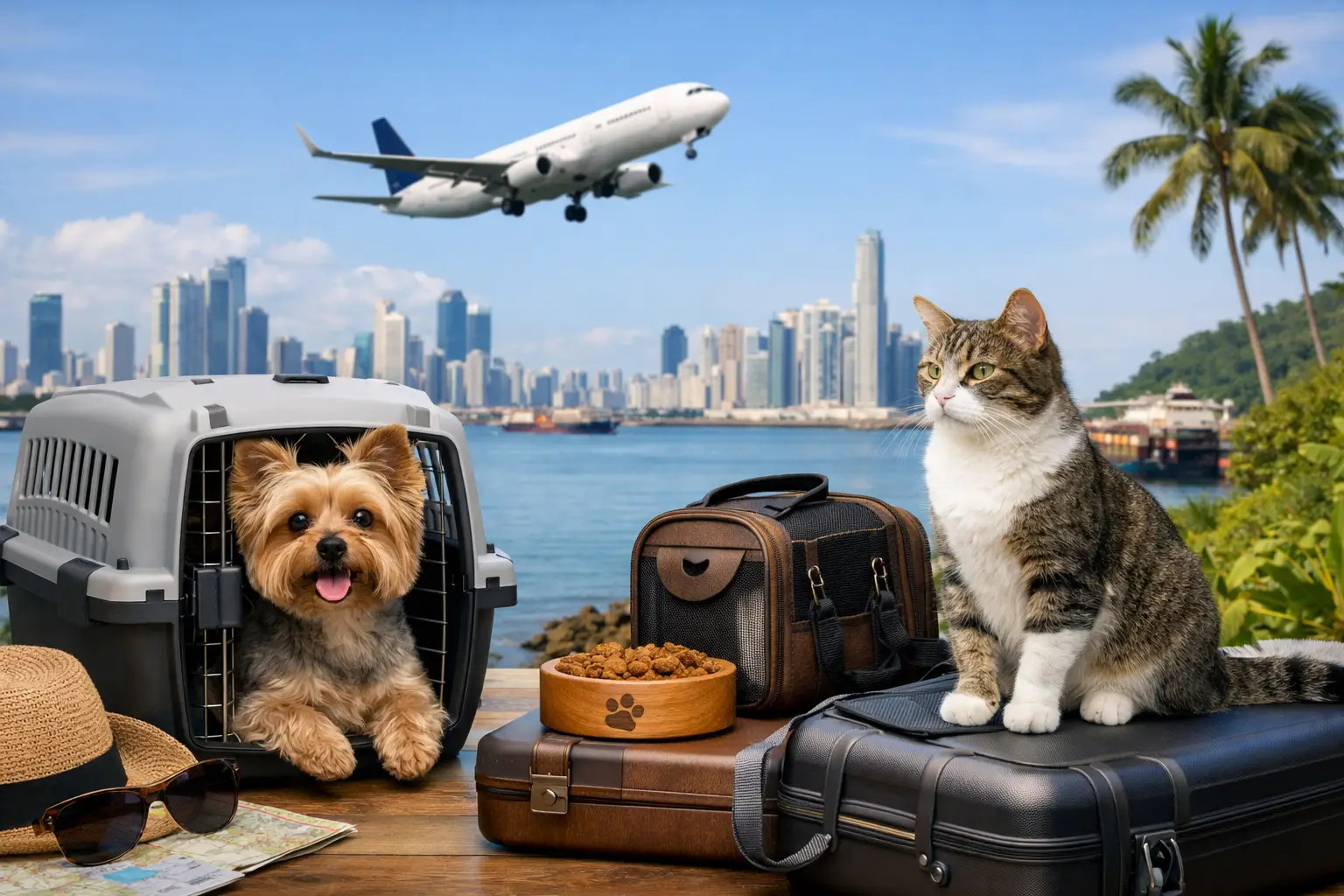

A missed vaccine date can change an entire travel plan for a dog or cat. That is why pet shipping Panama is rarely just about booking a flight. It is a coordinated process that brings together veterinary timelines, airline rules, import or export documents, customs procedures, and your pet’s comfort at every stage.
For families relocating internationally, that complexity can feel overwhelming fast. You may be balancing a home move, immigration paperwork, work deadlines, and school arrangements while also trying to understand health certificates, kennel requirements, and country-specific entry rules. The good news is that with the right planning, pet relocation can be handled safely, correctly, and with far less stress than most owners expect.
Why pet shipping Panama takes more than a flight reservation
The biggest misconception about moving a pet internationally is that it works like booking a passenger ticket. In reality, every move depends on several moving parts lining up at the same time. Your pet may need updated vaccinations, a veterinary exam within a specific window, government-endorsed paperwork, and an airline-approved travel crate. Some cases also require additional testing, advance permit review, or careful routing because of weather, breed restrictions, or connection times.
Panama adds another layer that matters to families moving in or out of the country. Regulations, airport procedures, and customs handling are not things most pet owners deal with every day. Small paperwork errors or timing mistakes can lead to delays, extra stress on arrival, or a journey that becomes more difficult than it needed to be.
That is why experienced coordination matters. Good pet transport planning is not just about compliance. It is also about reducing risk, protecting your timeline, and keeping the trip as smooth as possible for the animal involved.
What a well-managed pet relocation includes
A professional relocation process starts with understanding the route, the pet, and the destination requirements. A young cat flying one direct route may be relatively straightforward. A senior dog with medication needs, a brachycephalic breed, or a household moving with multiple pets can require a much more tailored plan.
In most cases, the process includes reviewing import or export rules, confirming vaccine status, preparing the health documentation schedule, coordinating with veterinarians, and selecting the safest available airline routing. Crate preparation is also a major part of the plan. A crate that meets airline standards on paper still needs to be right for the pet’s size, temperament, and travel duration.
The customs side matters just as much. On arrival, documents may need to be presented in a precise format and sequence. If home delivery, airport assistance, or door-to-door transport is part of the move, that handoff has to be timed carefully. When every step is managed together, owners avoid the common problem of having one part of the trip ready while another part is not.
Moving pets into or out of Panama
When people think about international pet transport, they usually focus on entry requirements. That is only half the picture. Exporting a pet from Panama or transiting through the region can involve its own documentation, airline acceptance criteria, and timing windows.
For pets entering Panama, owners typically need to think ahead about vaccinations, veterinary certificates, and arrival coordination. For pets leaving Panama, destination-country requirements often drive the schedule. Some countries are simple. Others have very specific testing protocols, waiting periods, or endorsement rules that must be started well in advance.
This is where it depends on the destination. A move to the US can look very different from a move to Europe or another part of Central America. The route, the documents, and even the recommended travel date may change based on the pet’s breed, the season, or the airline options available at that moment.
Timing is one of the biggest factors in pet shipping Panama
Families often ask how early they should start. The practical answer is earlier than you think. Even when a move appears straightforward, international pet travel often runs on fixed timelines. Vaccines may need to be current within a certain period. Health certificates are typically valid only for a short window. Some destinations require tests that must be completed months before travel.
If you begin too late, your options narrow. You may be limited to less ideal flights, face rushed veterinary appointments, or discover that a required step cannot be completed in time for your planned departure. Starting early gives you room to make better decisions for both logistics and animal welfare.
It also creates space to prepare your pet emotionally. Crate training works best when it is gradual. A dog that has had time to see the crate as a safe resting place generally travels better than one introduced to it the night before departure. Cats benefit from the same principle, even if their stress signals look different.
How airlines, crates, and routing affect your pet’s trip
Not every approved route is a good route. A trip with multiple connections, long layovers, or difficult transfer points can increase stress for pets and owners alike. Whenever possible, the goal is to build a routing plan that minimizes unnecessary handling and avoids predictable problems.
Weather is a good example. Heat embargoes and seasonal conditions can affect when and how pets travel. Breed considerations can also change what is possible. Some pets may be better suited to a particular airline, travel service level, or time of day.
Crates deserve careful attention because they are not just a technical requirement. They are your pet’s travel environment for the journey. The right crate should allow the pet to stand, turn, and lie down comfortably while meeting airline standards. It should also be secured, labeled correctly, and introduced in advance so it feels familiar before travel day.
Documentation mistakes are common and avoidable
Most pet owners are capable of gathering paperwork. The problem is that international pet transport is not forgiving when documents are incomplete, inconsistent, or issued outside the permitted timeline. A form can be valid in one context and unusable in another. A vaccine record may be accepted by a clinic but not by an airline or destination authority if the details do not match exactly.
Common issues include incorrect microchip information, missing signatures, incomplete vaccine records, and certificates issued too early or too late. These are small errors on paper, but they can create major disruption at check-in or arrival.
That is why document review should never be treated as a last-minute task. It is one of the most important parts of the move, especially for families working across multiple time zones, veterinary offices, and travel providers.
Why full-service support makes a difference
There is a reason many owners decide not to manage international pet travel on their own. It is not because they do not care enough to be involved. It is because they care deeply and want the move handled correctly.
Full-service relocation support means one coordinated plan rather than a patchwork of separate tasks. Documentation, vet coordination, customs handling, airline arrangements, and ground transport all affect one another. When one experienced team oversees the process, communication is clearer and the risk of missed steps goes down.
That support is especially valuable for complex cases. Multi-pet households, last-minute corporate relocations, senior pets, birds, and exotic animal moves all require more than standard booking help. Families in those situations usually need not only instructions, but active management from start to finish. That is where a specialist such as Panama Pet Relocation can make the process far more manageable.
What pet owners can do before the move
Even when professionals are handling the logistics, your preparation still matters. Keep vaccine records organized, confirm your pet’s microchip details, and schedule veterinary visits as early as possible. Help your pet get comfortable with the crate over time, using short positive sessions rather than forcing long confinement all at once.
It also helps to share complete information early. If your pet has anxiety, medical needs, a prior travel issue, or breed-specific concerns, say so from the beginning. Good planning depends on accurate details. The more the relocation team knows, the better they can build a route and support plan that fits your pet.
International moves are emotional because pets are family. The right approach respects both sides of that reality – the technical side, where timing and compliance matter, and the personal side, where you simply want your companion to arrive safely and be back with you as quickly as possible.
When pet shipping is handled with care, experience, and close attention to detail, it stops feeling like an impossible project and starts feeling like a well-managed move. That peace of mind is often what families need most when everything else is already changing around them.