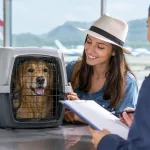


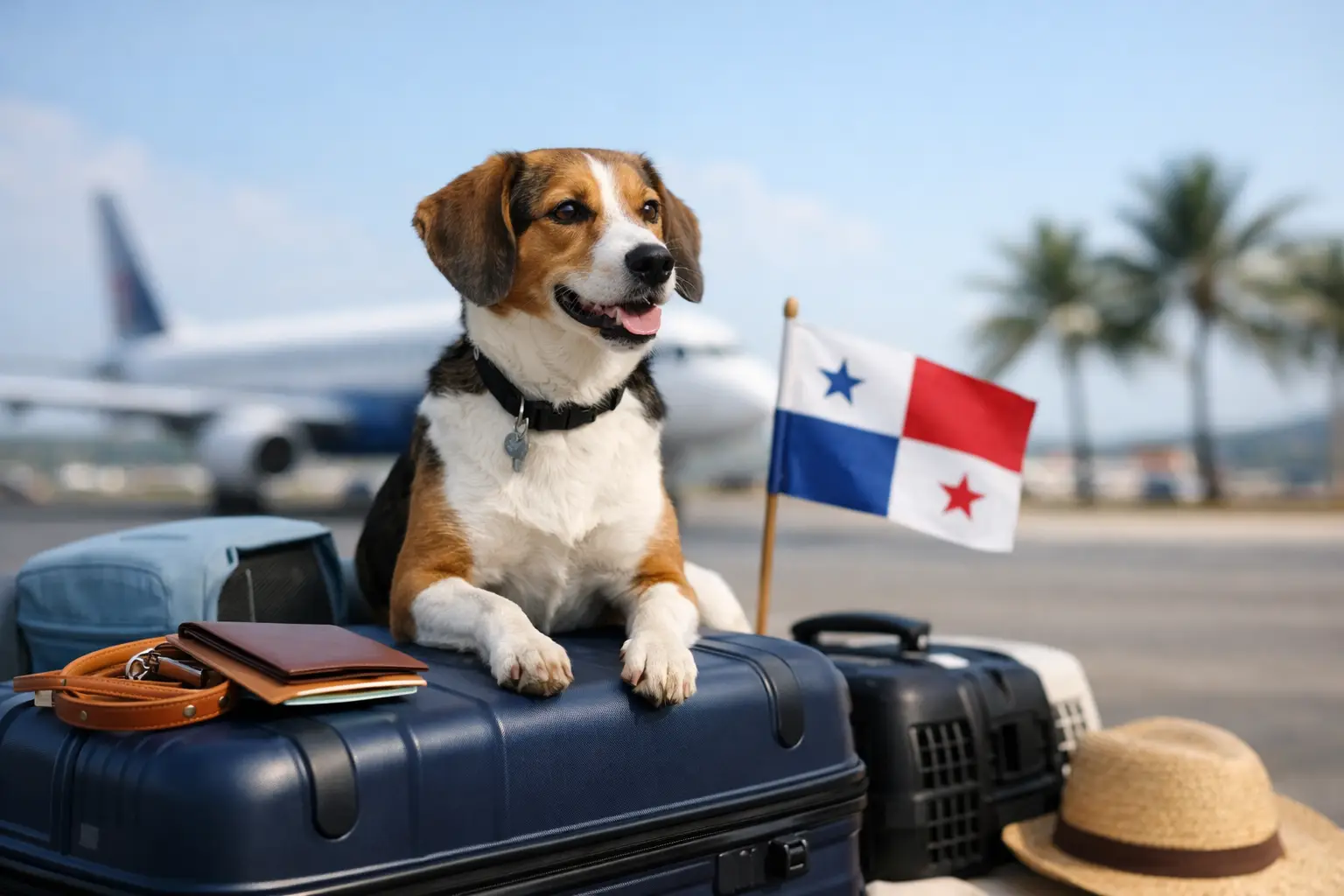

A missed signature or an outdated vaccine date can turn your dog’s arrival into a long, stressful day. That is why understanding Panama dog import requirements before booking flights matters so much. The process is manageable, but it depends on timing, accurate paperwork, and making sure your dog arrives with the right health and import documents in hand.
What Panama dog import requirements usually involve
For most dogs entering Panama, the process centers on a few core elements: identification details that match across every document, current vaccinations, a veterinary health certificate, government endorsements where required, and arrival coordination so customs and agricultural review can happen without delays. Those pieces sound straightforward, but problems usually happen when one document uses a slightly different owner name, the travel date shifts, or a certificate falls outside the accepted validity window.
That is the part many families underestimate. International pet travel is not just about having the documents. It is about having the correct documents, completed in the correct order, and still valid on the day your dog lands.
Start with timeline, not paperwork
The smartest way to handle this move is to work backward from the travel date. Some owners begin gathering documents only a few days before departure, only to learn that a health certificate must be issued within a very specific time frame or that an endorsement appointment is not immediately available.
In practical terms, you should think in stages. First comes reviewing your dog’s vaccination history and microchip or identification details, if applicable. Then comes confirming the current import requirements for Panama based on the country of origin, airline routing, and whether your dog is traveling as manifested cargo, checked baggage where permitted, or with a pet travel specialist handling the routing.
That last point matters because requirements can overlap. There are Panama entry rules, airline rules, and in some cases transit-country rules. A family moving from the US with a direct route may face a simpler file than someone connecting through another country with a tight layover and breed or seasonal airline restrictions.
The documents owners most often need
While each move should be checked against current regulations, Panama dog import requirements commonly include an official veterinary health certificate, proof of rabies vaccination, and a broader vaccination record showing the dog is current on standard preventive care. Depending on origin and timing, the paperwork may also need official government authentication before travel.
The health certificate is one of the most time-sensitive pieces. It must usually be completed shortly before departure, and any corrections can create real risk if there is no time to reissue it. Names, passport details, address information, breed description, sex, age, and vaccine dates all need to line up exactly.
Owners are often surprised by how small errors create large problems. A nickname on the booking and a legal name on the certificate, a handwritten correction without proper initials, or a rabies vaccine date copied incorrectly can trigger questions on arrival. None of those issues are dramatic on their own, but international import review is built around document consistency.
Vaccines and health status are not just a box to check
Rabies vaccination is usually central to dog import compliance, but it is rarely the only health item under review. Dogs generally need to be in good clinical condition for travel, and their vaccination history should be current and clearly documented. If a dog has an unusual medical history, is very young, or has recently received a vaccine outside the normal schedule, extra review may be needed before travel plans are finalized.
This is where the answer is often, it depends. A healthy adult dog with a standard veterinary record is usually easier to clear than a puppy whose rabies eligibility date is close to departure. Senior dogs, snub-nosed breeds, or pets with ongoing treatment plans may also need more careful flight planning even when the import paperwork itself is in order.
Good preparation means looking at the whole trip, not just the border entry. A dog can be technically eligible for import and still be a poor candidate for a certain routing if the travel day is too long or the airline has heat-related operational limits.
Why official endorsements can slow families down
One of the most common trouble points is assuming a veterinarian’s signature is the final step. In many cases, it is not. Depending on where the dog is departing from, the health certificate may need to be endorsed by the relevant government authority before the flight.
That endorsement step takes planning. Some offices require appointments, some accept mailed submissions, and some have cutoff times that do not work well with last-minute travel. If the certificate is issued too early, it may expire before arrival. If it is issued too late, there may not be enough time to get the endorsement back.
This narrow window is one reason pet relocations feel stressful for owners trying to manage everything themselves while also packing a house, closing accounts, and organizing flights for the rest of the family. The paperwork is not impossible, but it is unforgiving.
Arrival in Panama is part of the process, not the finish line
Landing does not automatically mean you are done. Dogs entering Panama may be subject to document inspection and review by the relevant authorities on arrival. If paperwork is complete and the entry has been coordinated properly, this stage is usually routine. If something is missing, inconsistent, or expired, clearance can become slower and much more stressful.
This is why arrival planning matters almost as much as pre-departure planning. The time of landing, airport procedures, document handoff, and customs coordination all affect how smooth the experience is for both the owner and the dog. A pet that has already completed a long flight should not be left waiting while someone sorts through conflicting forms.
For that reason, many relocating families choose full-service support. A professional team can coordinate document review before departure, confirm the import file is complete, align the airline booking with the paperwork timeline, and help manage customs clearance on arrival. For families balancing work transfers, retirement moves, or international household transitions, that support can remove a major source of risk.
Common mistakes that cause delays
Most import problems come from ordinary oversights, not major violations. The most frequent issues include expired or mistimed health certificates, vaccine records that are incomplete, owner information that does not match the passport or ticket, and assumptions that airline acceptance means country entry approval.
Another common mistake is treating online information as permanent. Entry rules, document language, and processing expectations can change. What worked for a friend’s dog six months ago may not match the current requirement or your dog’s specific route.
There is also the question of format. Some authorities want originals, not scans. Some airlines require advance review of crate details and document sets. Some cases involve additional coordination if there is a connecting flight, a service change, or a weather disruption. None of this means the move is unusually difficult. It means details matter.
When professional help makes the biggest difference
Some owners are comfortable handling a straightforward import file, especially if they have flexible schedules and a cooperative local veterinarian. But when the move includes tight deadlines, multiple pets, a connecting itinerary, government endorsements, or a family arriving on a different schedule than the dog, professional management often becomes the safer choice.
That is especially true for people relocating internationally for the first time. The emotional weight is real. Most pet parents are not worried about forms for their own sake. They are worried about their dog being delayed, refused, or left in avoidable stress because one detail was missed.
A specialized relocation partner can check eligibility, map the timeline, coordinate with veterinarians, review compliance before departure, and manage arrival handling so the process is controlled from start to finish. Panama Pet Relocation works with families in exactly that situation, where peace of mind matters just as much as compliance.
A better way to think about compliance
The easiest way to approach Panama dog import requirements is not as a paperwork task but as a travel plan with regulatory checkpoints. Your dog’s age, health, origin country, airline, routing, and travel date all shape the file. The right answer is rarely to rush. It is to confirm the current requirements early, sequence each step carefully, and leave room for the unexpected.
If you give the process enough lead time, most problems can be prevented before they ever reach the airport. And when your dog’s documents, flight plan, and arrival handling all align, the move feels much more like a welcome home than a border exam.