


Dog Import Panama: What Owners Need to Know
June 29th, 2026 | Uncategorized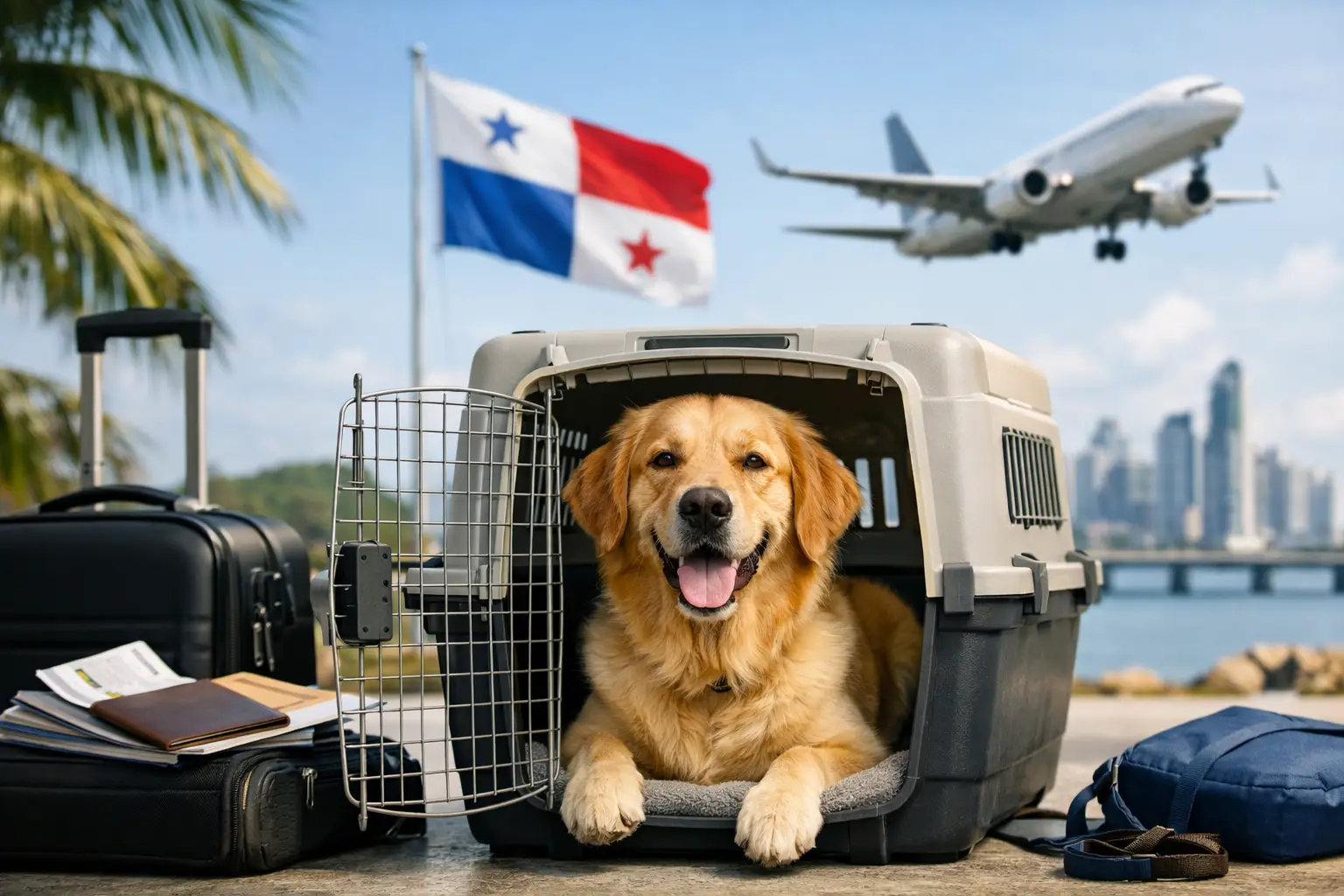
A missed vaccine date or one incomplete form can turn a pet move into a last-minute scramble. That is why dog import Panama planning needs to start well before your flight, especially if you are balancing your own relocation, housing, and travel details at the same time.
For most families, the challenge is not just getting a dog on a plane. It is making sure every health requirement, document, airline rule, and arrival step lines up correctly so your dog can enter without avoidable delays. When the process is handled properly, the move feels manageable. When it is pieced together too late, it can become stressful very quickly.
Why dog import Panama requires careful planning
Importing a dog into Panama is not usually difficult because the country is inaccessible. It is difficult because pet travel involves several moving parts that depend on timing. Veterinary work, vaccination records, health certificates, flight arrangements, and customs procedures all need to match each other.
That timing matters more than many owners expect. A dog may be healthy, crate-trained, and ready to travel, but if the paperwork does not meet the required format or the veterinary steps were completed outside the accepted window, the trip can be interrupted. Families often discover this only after they have already booked flights and made housing plans.
This is where experience makes a real difference. The process is administrative, but the consequences are personal. You are not moving cargo. You are moving a member of the family.
The core parts of the dog import Panama process
Every relocation has its own details, but most dog imports involve the same basic categories of preparation. First comes veterinary compliance. Your dog will generally need current vaccinations, a review of medical records, and a health certificate issued within the proper timeframe. Depending on the origin country and routing, there may be additional testing or supporting documents to coordinate.
Next comes document management. This is often the most underestimated part of the move. Owners may have the right records, but not in the right sequence, with the right signatures, endorsements, or dates. Airline acceptance and import clearance depend on more than simply having paperwork in hand.
Then there is flight planning. Not all routes are equally suitable for pets. Temperature restrictions, connection length, aircraft type, airline pet policies, and seasonal conditions can all affect what is safe and realistic. A shorter itinerary is not automatically the better one if it creates avoidable risk or falls outside an airline’s pet handling standards.
Finally, there is arrival coordination. Customs clearance, airport handling, and onward delivery all need to be planned in advance. After a long travel day, most owners want the reassurance that someone is already managing the next step.
Documents and health requirements are where mistakes happen
Many pet owners assume the main requirement is a rabies vaccine. Rabies is certainly central, but it is rarely the only issue. Authorities and airlines may also look closely at the full vaccination history, microchip information when applicable, parasite treatment records, veterinary examination timing, and the accuracy of the health certificate.
Small clerical issues can create outsized problems. A date entered incorrectly, a missing endorsement, or a certificate that expires before arrival can force expensive rework and cause missed travel windows. These are not dramatic mistakes. They are ordinary administrative errors, which is exactly why they are so common.
There is also the question of country-specific sequencing. Owners moving from the US or another country may assume the same export process applies everywhere. It does not. What works for one destination may not satisfy Panama’s import expectations or the airline’s own compliance review.
Airline logistics matter as much as the paperwork
A compliant file does not guarantee a smooth trip if the flight plan itself is poor. Some dogs do well with direct travel and a straightforward airport handoff. Others need a more careful approach based on breed considerations, size, age, weather, or anxiety level.
This is one of the biggest trade-offs in international pet transport. The fastest route may not be the best route. A lower-stress itinerary may involve different departure dates, more selective carrier choices, or additional coordination on the ground. Families often benefit from looking at the journey as a whole rather than focusing only on ticket timing.
Crate setup is another operational detail that deserves attention. Airlines typically have specific standards for size, ventilation, labeling, and pet comfort. A crate that appears acceptable to an owner may still fail airline review if it does not meet precise handling rules. That is a frustrating problem to discover at the airport.
Timing can make or break a move
The safest approach to dog import Panama preparation is to work backward from the travel date. That means confirming the vaccination schedule, checking document lead times, reviewing airline options, and allowing enough margin for endorsements or changes.
This is especially important for families on fixed relocation schedules. If you are moving for a job start date, a retirement transition, a military posting, or a housing handover, delays are not just inconvenient. They can separate you from your dog or force temporary boarding arrangements that nobody wanted.
The earlier planning starts, the more options you usually have. Better flight choices, better appointment availability, and fewer rushed decisions all reduce stress. Last-minute pet moves can still be possible, but they leave far less room for correction if something unexpected comes up.
DIY can work, but it depends on your move
Some owners do try to manage dog import paperwork and travel arrangements themselves. In a simple case, with flexible timing and strong attention to detail, that may be possible. But simple cases are less common than people think.
If your dog is flying internationally with connections, if you are relocating a household at the same time, or if you are unfamiliar with import procedures, professional handling usually saves more than time. It lowers the chance of mistakes that affect your dog’s travel day.
That support can include document review, veterinary coordination, customs clearance, airline routing, airport handling, and final delivery. For many families, the real value is not just task completion. It is knowing someone is responsible for the process from beginning to end.
Panama Pet Relocation is built around that kind of support, especially for owners who want their dog’s move handled with both technical accuracy and practical care.
What to expect on arrival
By the time your dog lands, most of the critical work should already be done. Arrival should be the execution stage, not the moment when missing requirements are discovered. That is why pre-travel preparation matters so much.
Depending on the flight and the handling plan, the arrival process may involve airport collection, customs and document presentation, release procedures, and transport to your home or temporary accommodation. After a long trip, dogs usually do best when that transition is calm, efficient, and well coordinated.
Owners often focus heavily on departure, but arrival is where the emotional relief happens. You want to see your dog released smoothly, settled safely, and on the way to the next stop without confusion.
Choosing the right support for dog import Panama
If you are comparing options, look for more than a company that simply books pet travel. International moves require someone who understands compliance, airline operations, and the practical realities of border crossings. Personalized communication matters too, because families need updates, not guesswork.
A good relocation partner should be able to explain what is needed, what the timeline looks like, and where the risk points are. They should also be honest about variables. Not every route is ideal. Not every timeline is equally comfortable. The right plan is the one that fits your dog, your origin country, and your move.
That is the standard to aim for if you want a safe and low-stress result. When the process is professionally managed, dog import into Panama stops feeling like a maze of rules and starts feeling like a clear plan with someone competent guiding each step.
If your move is coming up soon, the best next step is not to wait for the paperwork pressure to build. Start early, ask specific questions, and make sure your dog’s journey is treated with the same care as the rest of your relocation.