

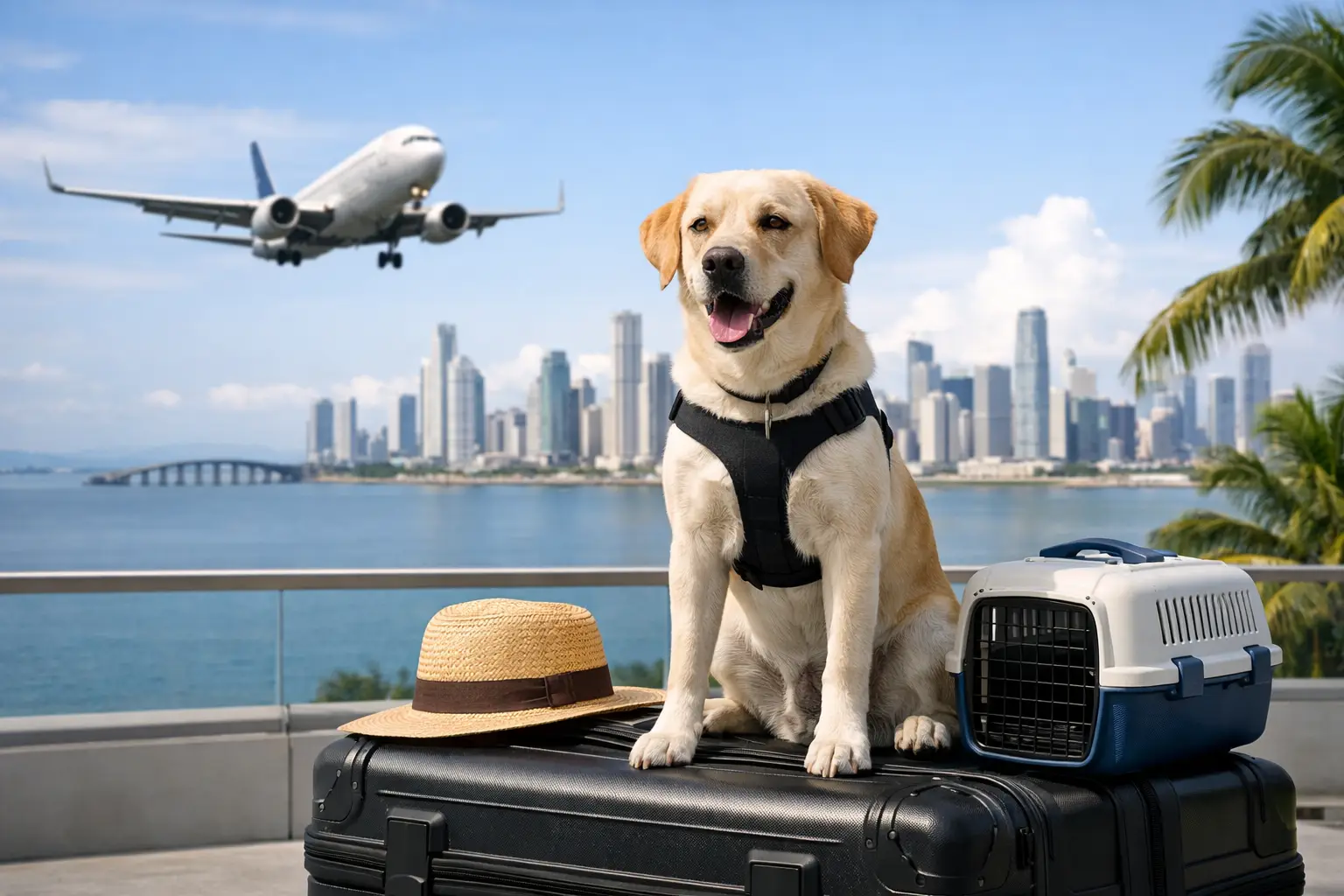

A move to Panama can feel exciting right up until you look at your dog’s travel paperwork. One missing signature, a health certificate issued outside the accepted window, or an airline crate that does not meet carrier rules can turn a carefully planned arrival into a stressful delay. Bringing dog to Panama is absolutely manageable, but it works best when the veterinary, airline, and customs steps are planned as one coordinated process.
For most families, the goal is simple: arrive with your dog safely, clear the required formalities without surprises, and get home as quickly as possible. That requires more than booking a flight. It requires working backward from your travel date and allowing time for documentation, veterinary appointments, airline approval, and any destination-specific requirements that apply to your dog’s itinerary.
Bringing Your Dog to Panama Starts With Timing
International pet travel is highly time-sensitive. A vaccine may need to be current before travel, a health certificate may have a limited validity period, and certain documents may need authentication or approval before departure. These timelines can overlap in ways that are easy to miss when you are also managing a household move.
Start planning several weeks or months ahead, especially if your dog needs updated vaccinations, has a complicated medical history, is traveling during a busy season, or is flying from a location with limited airline options. Larger dogs, snub-nosed breeds, senior pets, and dogs that cannot travel in cabin often need additional routing consideration.
Requirements can change, and they may vary based on your country of origin, your flight route, and whether the trip is a permanent move or temporary travel. Treat online checklists as a starting point, not a final travel authorization. Your paperwork should be reviewed against the current requirements for your specific departure date.
The Documents Your Dog Will Typically Need
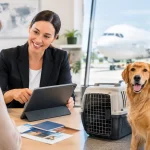
While each case should be confirmed individually, a dog entering Panama generally needs a coordinated set of veterinary and import documents. These records must agree with each other. A mismatch in your dog’s name, microchip number, date of birth, or vaccination information can create questions at check-in or arrival.
Your travel file will commonly include a current rabies vaccination record, a veterinary health certificate, an import authorization or permit where applicable, and supporting vaccination and treatment records. Depending on the origin country and current rules, the certificate may need to state that your dog has been examined, is free from signs of contagious disease, and has received required parasite prevention.
Microchipping is strongly recommended even where it is not the central import requirement. A readable microchip creates a durable connection between your dog and the records traveling with them. If your dog is already chipped, ask your veterinarian to scan it before documents are issued and confirm that the number is printed accurately throughout the file.
Veterinary Appointments Need a Travel Plan
A standard wellness visit is not always the same as an international travel appointment. Your veterinarian needs to know the destination, travel date, airline, and the documents expected for entry. They may need time to order vaccines, complete treatments within the required window, or prepare certificates in the correct format.
Bring prior vaccination records to the appointment, including any records from a previous veterinarian. Keep originals organized and make clear copies for travel. If a document is handwritten, make sure it is legible and includes the clinic information, veterinarian signature, and all dates needed for review.
Do not wait until the last few days to discover that a rabies record is missing or that a certificate needs a government endorsement. The closer the flight gets, the less room there is to correct a small error.
Choose the Right Flight Arrangement for Your Dog
Airline policies are separate from import rules. A dog can be eligible to enter Panama and still be unable to fly on a particular airline, aircraft type, or route. Airlines set their own limits for in-cabin pets, checked pets, cargo travel, seasonal heat restrictions, breed policies, and crate dimensions.
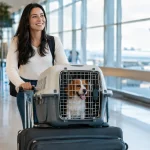
For a small dog, in-cabin travel may be the preferred option if the carrier allows it and the dog can remain comfortably in an approved soft-sided carrier under the seat. It keeps your pet close, but space is limited and cabin pet reservations are often capped. Confirm the reservation directly with the airline rather than assuming a pet is included when a ticket is booked.
For a larger dog, travel in an airline-approved crate may be necessary. The crate must give your dog enough room to stand, turn around, and lie down naturally. It also needs secure ventilation, proper fasteners, absorbent bedding, and compliant labeling. A crate that is too small, damaged, or not accepted by the airline can prevent boarding on travel day.
Direct flights are usually easier on dogs because they reduce handling and transfer risks. If a connection is necessary, allow enough time for safe transfer and choose routing that avoids avoidable temperature exposure or tight international connections. The cheapest route is not always the right route when your dog’s comfort and reliability are at stake.
Prepare the Crate Before Travel Day
Your dog should view the crate as a familiar resting place, not something that appears on the morning of an international flight. Start crate conditioning well in advance. Feed meals near or inside it, leave the door open at first, and build up to short periods of relaxed time with the door closed.
Avoid making major diet changes immediately before travel. Keep meals familiar, follow the airline’s guidance on feeding before departure, and provide water in a travel-safe way. Sedation is generally not recommended for air travel unless a veterinarian has made a specific medical recommendation and the airline permits it. Sedatives can affect balance, breathing, and a dog’s ability to regulate body temperature.
What Happens When You Arrive
Arrival is where good preparation becomes visible. Your dog’s documents, identification, and travel arrangements may be reviewed by the appropriate authorities before you are cleared to continue your journey. The process can be straightforward when the file is complete and properly timed, but travelers should expect that customs and veterinary procedures take longer than simply collecting a suitcase.
Keep your originals accessible in a dedicated folder in your carry-on bag. Do not place essential certificates in checked luggage. You should also have your airline confirmation, copies of your dog’s records, and contact details for anyone assisting with clearance or onward delivery.
After a long flight, your dog may be tired, thirsty, or unsettled. Plan for a calm first stop with water, a leash walk where appropriate, and a quiet place to rest. If you are headed directly to a new home, have food, a bed, cleaning supplies, and familiar items ready before you arrive. Familiar scent can make a new environment feel less overwhelming.
When Professional Coordination Makes Sense
Some moves are simple on paper but difficult in practice. Families relocating on a tight schedule, traveling with multiple pets, moving a large dog, or departing from a country with additional export formalities often benefit from professional coordination. The same is true when a flight includes a transit country, when an owner cannot travel with the dog, or when documents require careful sequencing.
A full-service pet relocation partner can coordinate veterinary timing, import documentation, airline routing, customs clearance, and delivery plans around one travel schedule. That support is especially valuable when changes occur, such as an airline adjustment, a delayed document, or a missed connection. Panama Pet Relocation manages these details with Panama-specific experience so families can focus on the move without losing sight of their dog’s welfare.
A Final Check Before You Leave
In the final days, confirm that every document matches your dog and your itinerary. Verify the airline’s pet reservation, crate requirements, check-in timing, and any transit conditions. Pack your dog’s leash, collar, harness, medications, food for the first day, and copies of the full travel file where you can reach them quickly.
Your dog does not need a perfect travel day to arrive safely. They need calm preparation, correct paperwork, and people who understand that they are not cargo to your family. Give the process enough time, and your first walk together in your new neighborhood can feel like the beginning of home.