

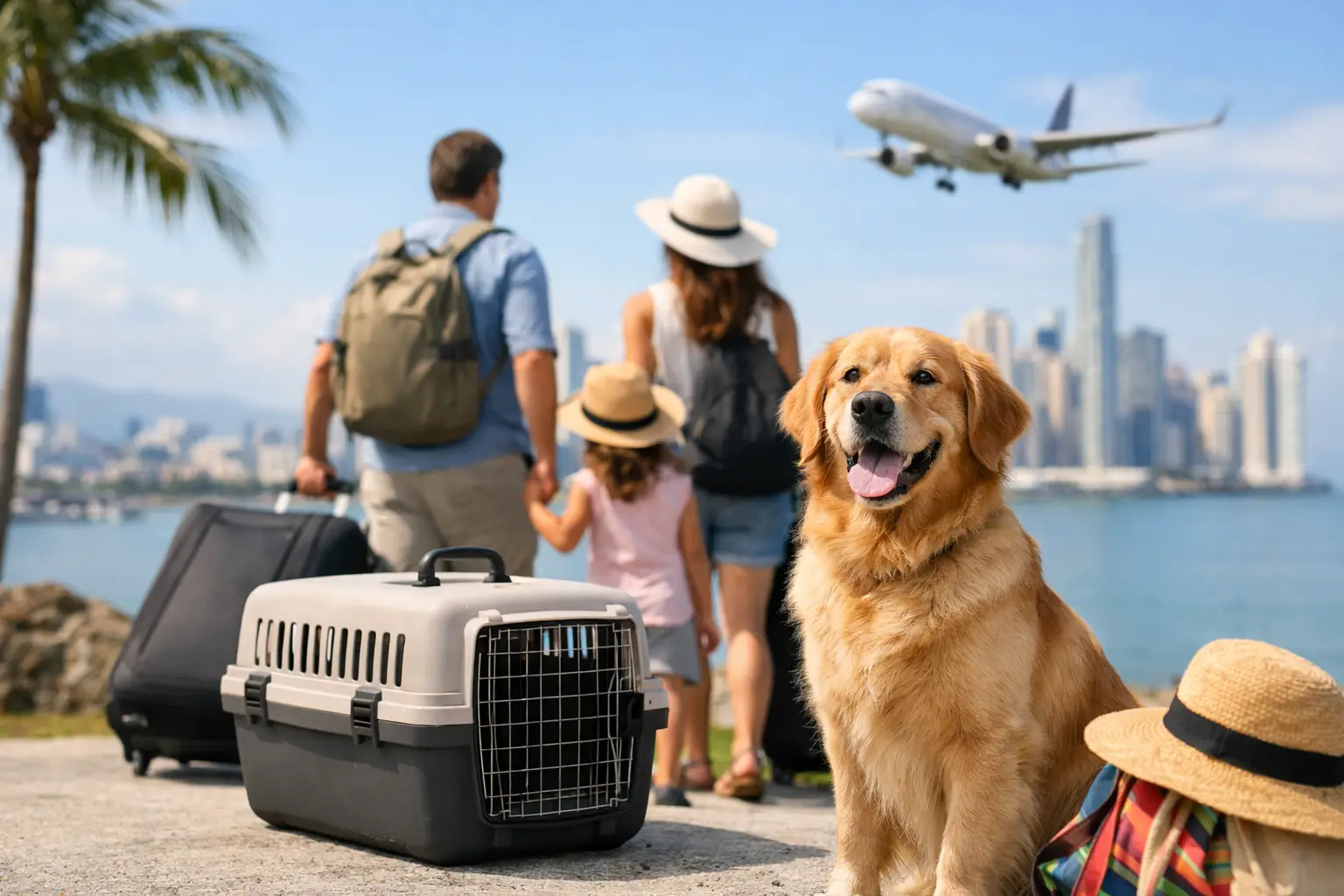

A family relocation can be exciting right up until someone asks, “What happens to the dog?” Pet travel to Panama is not simply a matter of reserving space on an airplane. Your pet’s ability to arrive safely and clear entry procedures depends on a coordinated plan: current health requirements, correctly timed veterinary records, airline acceptance, an appropriate travel kennel, and organized arrival handling.
For pet parents, the pressure is personal. A missed document or an airline change can mean more than a scheduling inconvenience. It can create a long, stressful day for an animal that depends on you. Thoughtful planning replaces uncertainty with a clear path from your current home to your new one.
Why Pet Travel to Panama Requires Early Planning
International pet travel has several moving parts, and they do not always follow the same timeline. Veterinary appointments may need to happen within a defined period before travel. Government documentation may need review or endorsement. Airlines have their own rules for breed restrictions, kennel dimensions, seasonal conditions, route connections, and available cargo space.
The right plan begins with your destination, departure country, species, breed, age, and intended travel date. A healthy adult dog flying directly from the United States may have a very different process from a cat traveling with a family through multiple countries. Puppies, senior pets, pets with medical needs, brachycephalic breeds, birds, and exotic animals often need additional consideration.
Waiting until flights are booked can limit options. Airline pet capacity is not unlimited, and a route that works well for people may not be the safest or most practical choice for an animal. Starting early gives you room to select a suitable itinerary, prepare documents in the correct order, and make decisions based on your pet’s welfare instead of last-minute availability.
The Documents That Shape a Successful Arrival
Entry requirements can change, and each pet’s file should be reviewed against the current rules before travel. In most cases, the process involves a valid vaccination history, veterinary health documentation, an import authorization or permit where required, and government certification or endorsement from the country of departure.
The challenge is rarely just obtaining one document. It is making sure every record agrees. Your pet’s name, species, sex, breed, color, microchip information when applicable, owner details, vaccine dates, and travel dates must be consistent across the file. A small mismatch can lead to questions during airline check-in or customs clearance.
Timing matters just as much. Some vaccinations must be administered far enough ahead of travel to be accepted, while health certificates often have a short validity window. If a certificate is completed too early, it may expire. If it is completed too late, there may not be enough time for any required government processing.
Health preparation should fit the pet, not just the paperwork
A veterinary visit is also an opportunity to discuss whether travel is appropriate for your pet. Age, heart or respiratory conditions, anxiety, recent surgery, medication, and heat sensitivity can affect the travel plan. Your veterinarian can assess your pet’s fitness for travel and help establish a safe preparation routine.
Do not assume a calming medication is the answer to travel anxiety. Sedation can create risks at altitude and is not appropriate for every animal or airline situation. Many pets travel better with careful crate familiarization, a predictable routine, and a route designed to reduce unnecessary handling and long layovers.
Choosing the Right Airline Route and Travel Method
The best travel arrangement depends on the pet and the household. Some smaller pets may be eligible to travel in the cabin under an airline’s specific policies. Other pets travel in a temperature-controlled section of the aircraft or through a managed air cargo process. Each option has limitations, and availability can vary by airline, route, aircraft type, season, and airport.
A direct flight is often appealing, but it is not automatically the best choice. An itinerary with a manageable connection, reliable ground handling, and appropriate pet acceptance procedures may offer a better overall experience than a direct route with limited support. The goal is not merely the shortest flight time. It is a safe, workable journey from check-in through final delivery.
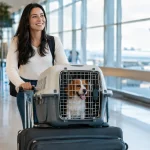
Travel kennel selection is a major part of that decision. Airlines generally require a kennel that is secure, well ventilated, and correctly sized for the pet to stand, turn around, and lie down comfortably. A kennel that is too small can be refused. One that is too large may also create handling concerns, particularly for a nervous pet.
Begin crate training well before departure. Leave the kennel open at home, use familiar bedding if appropriate, and make it a positive place with meals or treats. The travel crate should feel familiar before it becomes part of a long journey.
What Happens When Your Pet Arrives
Arrival is where careful preparation becomes especially valuable. Your pet may need to be presented for inspection and customs processing before leaving the airport. The correct original documents must be available, and the arrival process should be coordinated with the flight’s actual landing time, not simply its scheduled time.
A delayed flight, missed connection, or aircraft change can affect the clearance plan. Professional coordination helps ensure that someone is prepared to respond, confirm updated flight details, and manage the required steps once the pet is released by the airline.
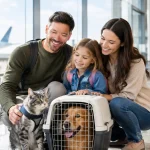
After a long trip, most pets need the basics: water, a quiet place to decompress, a bathroom break, and a familiar person nearby. Avoid planning a busy social day immediately after arrival. Give your pet time to adjust to the climate, new sounds, and new home environment at a comfortable pace.
Common Mistakes Families Can Avoid
The most costly mistakes are usually preventable. Families sometimes rely on outdated online guidance, book a flight before confirming pet acceptance, or assume a veterinarian’s health certificate is the only document needed. Others purchase a kennel without checking airline-specific dimensions and construction requirements.
It is also easy to overlook transit rules. If your pet changes planes in another country, that stop may introduce airline or transit requirements even when the final destination is Panama. The same is true when relocating out of Panama or continuing onward through Central America.
For birds, reptiles, exotic animals, and wildlife cases, the process can be considerably more specialized. Species identification, conservation controls, export permissions, carrier standards, and destination rules may all apply. These cases need individual review from the beginning rather than a standard dog-and-cat travel checklist.
When Full-Service Coordination Makes Sense
Some families are comfortable managing a straightforward domestic flight. International movement is different because the owner is coordinating veterinary timing, government paperwork, airline operations, customs procedures, and changes that may occur during travel. If you are moving a household, starting a job, caring for children, or managing a tight relocation date, that workload can become overwhelming quickly.
A specialized relocation team can build the plan around your pet, verify document requirements, coordinate with veterinarians and airlines, monitor the itinerary, support customs clearance, and arrange delivery at the destination. This is especially useful for complex routes, multiple pets, in-cabin travel support, pets traveling separately from their owners, and time-sensitive relocations.
Panama Pet Relocation provides this kind of hands-on coordination for families who want a knowledgeable partner responsible for the operational details. The value is not just convenience. It is having a clear point of contact who understands how each step affects the next one.
Give Your Pet a Familiar Start in a New Home
Your pet does not need to understand passports, cargo reservations, or customs forms. They need consistent care, safe handling, and their family waiting at the other end. Start the planning process early, keep records organized, and choose travel decisions that protect comfort as well as compliance.
A well-prepared arrival lets the first walk, first meal, and first night in your new home feel like the beginning of a life together in Panama, not the recovery from a difficult journey.