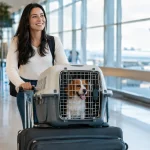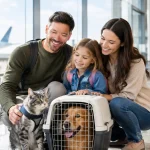


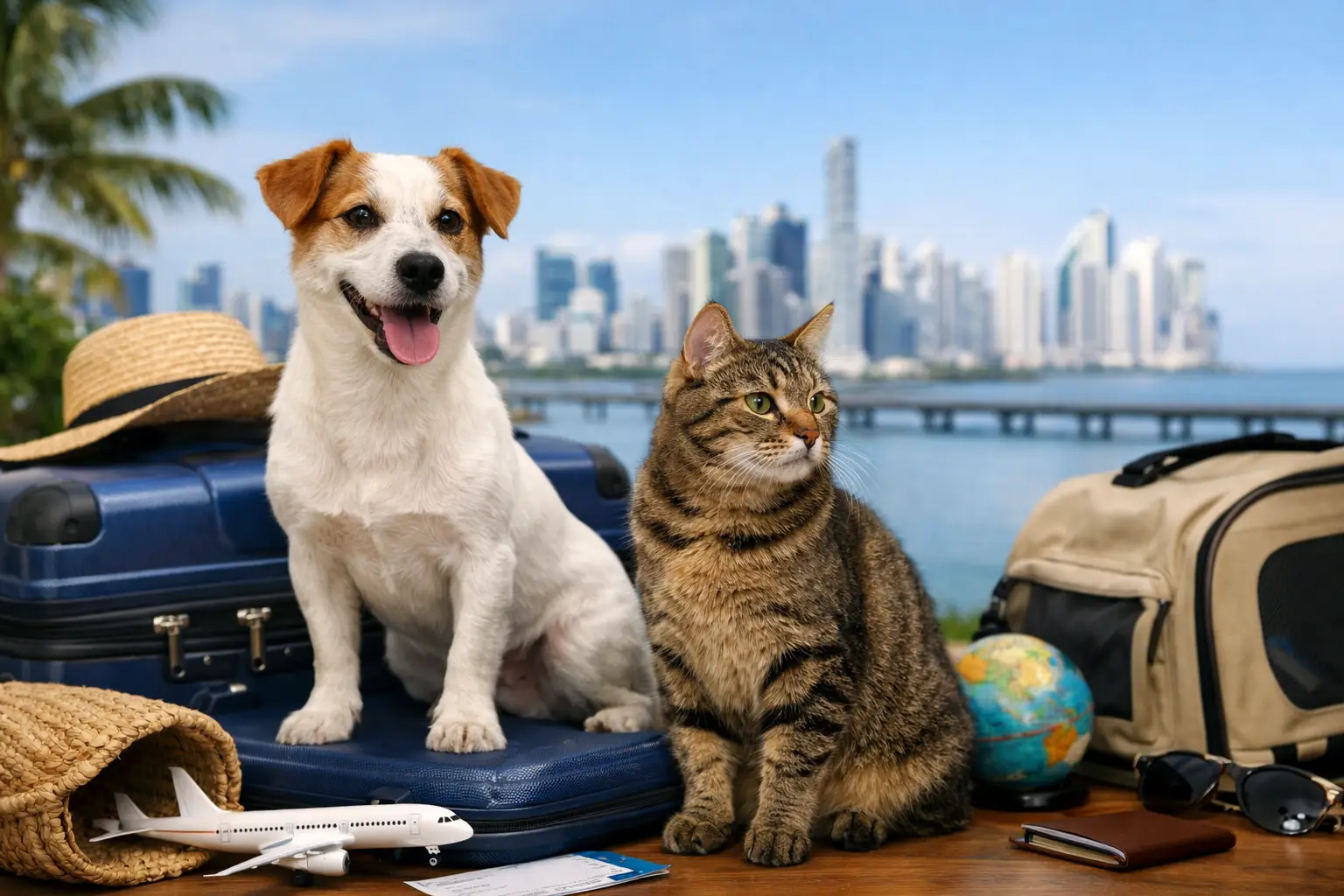

A relocation date can feel exciting right up until you look at your dog sleeping on the couch or your cat watching from a windowsill. Then the move becomes personal. Moving to Panama with pets requires more than booking a flight and packing a carrier. Your pet needs a carefully timed travel plan that accounts for veterinary care, official paperwork, airline requirements, arrival procedures, and their comfort throughout the journey.
The good news is that a well-managed relocation does not need to be a stressful guessing game. The key is starting early, treating documents as time-sensitive, and building the travel route around your pet’s welfare rather than convenience alone.
Moving to Panama With Pets Starts With a Timeline
International pet travel has several moving parts, and many of them have narrow validity windows. A health certificate may need to be issued close to departure, while vaccination records, import approvals, laboratory testing, and airline reservations may need attention much earlier. Leaving the process until the final weeks can limit flight options and create avoidable pressure for both your family and your veterinarian.
A practical planning window is often several months before travel, especially if you are bringing multiple pets, traveling during a busy season, relocating from a country with additional health requirements, or coordinating a complex itinerary. Bird, exotic animal, and wildlife cases usually require even more lead time because their permits and handling needs can be different from those for dogs and cats.
Your first step should be confirming your target move date and identifying every location involved in the journey. The rules that apply can depend on your country of origin, any transit country, the airline, and the specific species or breed traveling. A route that looks simple on a map can become complicated if a layover introduces transit restrictions or if the airline serving that route does not accept pets in the needed travel arrangement.
Get Veterinary Records in Order Early
Your pet’s medical history becomes a travel document when you cross borders. Gather vaccination certificates, rabies records, microchip information if applicable, prior health records, and any prescriptions your pet regularly needs. Keep original documents organized and make clear digital copies for your own records.
Rabies documentation deserves particular attention. Depending on where your pet is traveling from and where they may travel next, rabies vaccination timing or a rabies FAVN titer test may affect the relocation schedule. Do not assume a valid vaccine alone covers every situation. The travel requirements must be reviewed against your pet’s origin, destination, transit points, and future travel plans.
It is also wise to schedule a pre-travel conversation with a veterinarian who understands international documentation. This appointment is not just a wellness visit. The veterinarian may need to complete specific forms, verify vaccine dates, conduct required examinations, and coordinate with government authorities for endorsements. A document completed on the wrong form, signed too early, or missing a required detail can delay an otherwise well-planned move.
Pets with chronic conditions need a more individualized plan. Discuss medications, feeding routines, temperature sensitivity, and whether flying is medically appropriate. Senior pets, flat-faced breeds, anxious animals, and pets with respiratory or cardiac concerns may need special routing decisions or additional veterinary guidance. There is no one-size-fits-all answer, and a shorter flight is not always the best option if it involves a difficult connection or an unsuitable aircraft arrangement.
Choose a Flight Plan That Protects Your Pet
Airline pet policies vary widely, and they can change based on aircraft type, season, weather, route, and cargo capacity. Some pets can travel in cabin when they meet size and carrier requirements. Others must travel through a professionally managed checked or cargo process. The right option depends on your pet, the route, and the airline’s current rules.
For many families, the goal is to keep the journey as direct and predictable as possible. That may mean prioritizing a route with fewer connections, avoiding extreme temperatures, and choosing departure times that reduce time spent in crowded terminals or on hot airport ramps. For some pets, an in-cabin concierge arrangement provides reassurance and hands-on support. For others, carefully coordinated cargo travel is the safest available solution.
The travel crate is not an afterthought. It must meet airline requirements, provide enough room for your pet to stand, turn, and lie down comfortably, and be secure enough for handling throughout the journey. Introduce the crate well before departure. Let your pet rest inside it at home with familiar bedding or a safe comfort item so it does not feel like a frightening, unfamiliar space on travel day.
Avoid sedating a pet unless your veterinarian specifically recommends it for that individual animal. Sedation can affect balance, breathing, and temperature regulation during air travel. A calm routine, familiar crate training, and thoughtful flight planning are generally more useful than trying to medicate away anxiety.
Prepare for Arrival, Not Just Departure
A successful flight is only one part of the relocation. On arrival, your pet may need to clear veterinary and customs procedures before continuing home. This is where complete, correctly timed paperwork matters most. If documents are missing or do not match the pet, owner, travel itinerary, or health requirements, the arrival process can become longer and more stressful.
Before departure, confirm who will meet your pet, where clearance will take place, and how ground transportation will be handled. After a long journey, your pet should not be left waiting while you search for a vehicle, arrange a driver, or try to understand an unfamiliar airport process. A door-to-door plan gives your family a clear handoff from airline arrival through customs clearance and onward to your new home.
Plan for the first 48 hours at home as well. Have water, the same food your pet is used to eating, a leash or harness, waste bags, a litter box for cats, and a quiet recovery area ready before the flight. Keep the first day low-key. Your pet may be tired, disoriented, extra clingy, or temporarily less interested in food. Give them time to adjust to new sounds, scents, humidity, and routines.
Common Mistakes That Create Delays
Most pet travel issues are preventable, but they tend to happen when people rely on outdated online advice or assume that one requirement covers every part of the trip. International travel rules are specific, and each document must align with the actual itinerary.
The most common problems include booking flights before confirming pet acceptance, obtaining health paperwork outside the required time window, using a crate that does not meet airline standards, overlooking transit-country rules, and failing to arrange arrival clearance in advance. Another frequent mistake is treating a pet relocation as a task for the final week of a household move. Your pet’s schedule needs its own planning track from the start.
This is also why professional coordination can be valuable for families managing a job relocation, home sale, school changes, or a move across multiple countries. Panama Pet Relocation can coordinate the import or export process, veterinary documentation, flight routing, customs clearance, and final delivery so owners can focus on their pets and their broader transition. Personalized planning is particularly helpful when a route includes Central America, a difficult airline connection, or a pet with special handling needs.
Give Your Pet a Familiar Start in a New Home
Once you arrive, resist the urge to introduce your pet to every new place at once. Start with a predictable routine: familiar meals, regular walks, consistent sleeping areas, and quiet time with the people they know best. Dogs may need gradual exposure to new streets, traffic, and tropical weather. Cats often adjust better when they begin in one secure room before exploring the rest of the home.
Panama’s climate can be an adjustment, especially for pets arriving from colder regions. Schedule walks during cooler parts of the day, provide constant access to fresh water, and watch for signs of overheating. It is also helpful to identify a local veterinarian soon after arrival, before an urgent need arises.
Your pet does not need a perfect journey to arrive safely and settle well. They need a plan built around their specific needs, accurate documents, experienced handling, and a calm welcome at the other end. With those pieces in place, your move can begin where it should: at home, together.