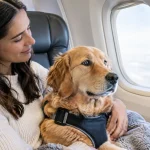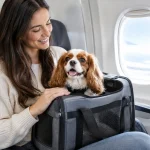


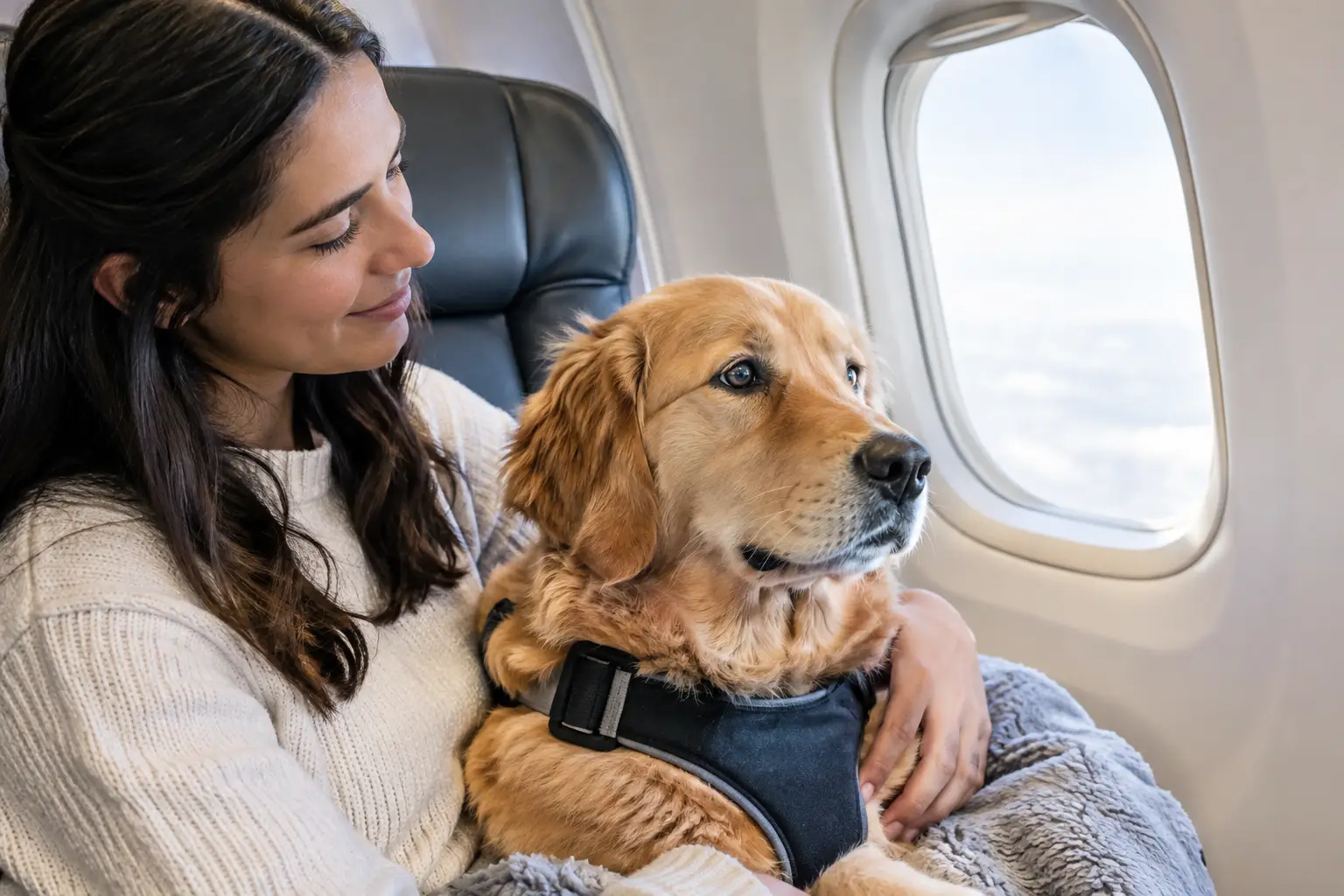

A dog who trembles at the sound of a suitcase, pants heavily in the car, or cannot settle in unfamiliar places needs more than a travel crate on flight day. Learning how to fly anxious dogs starts weeks before departure, with a realistic plan that protects your dog’s welfare while meeting airline and international travel requirements.
For a family moving abroad, the stakes can feel especially high. Your dog is not simply checked baggage. They are a member of the household who must navigate noise, separation, new handlers, changing temperatures, and an unfamiliar environment. Thoughtful preparation can make the experience more manageable, but it is also important to recognize when a dog needs additional veterinary support or when a different travel arrangement may be safer.
Start With an Honest Assessment of Your Dog’s Anxiety
Not all nervous behavior means a dog cannot fly. Some dogs are uneasy during preparation but settle once they are inside a familiar crate. Others show more serious distress, such as panic, escape attempts, self-injury, vomiting, or prolonged refusal to eat or drink. The difference matters when deciding whether air travel is appropriate and what support is needed.
Begin by discussing your dog’s history with a veterinarian who knows them well. Explain how your pet responds to car rides, crates, loud sounds, strangers, separation, and previous travel. Also mention any medical conditions, recent changes in behavior, and medications or supplements your dog already receives.
A veterinarian can identify health issues that may make flying more difficult, including respiratory concerns, heart conditions, or age-related limitations. This is particularly important for brachycephalic breeds, senior dogs, and dogs with a history of extreme panic. Airline acceptance rules can also vary by breed, route, season, and aircraft type.
How to Fly Anxious Dogs: Make the Crate a Safe Place
For dogs traveling in the cargo hold, the travel crate is their entire environment during the journey. Even dogs flying in cabin may need to remain inside a carrier for much of the airport and flight. A crate should never be introduced for the first time on departure day.
Choose an airline-compliant crate or carrier early, then leave it open in a calm part of your home. Place familiar bedding inside if permitted, along with a favorite safe toy. Let your dog enter voluntarily. Meals, treats, quiet praise, and brief rest periods can gradually create a positive association.
Over several weeks, build up to closing the door for short periods while you remain nearby. Then practice carrying the crate, placing it in the car, and taking short drives. The goal is not to make your dog love confinement. It is to help them understand that the crate is predictable, secure, and followed by a return to you.
Avoid adding bulky bedding, loose items, or anything that could create a hazard during transport. Airlines have specific crate requirements, and international routes may have additional rules. A professional pet relocation coordinator can confirm the correct crate dimensions, ventilation, labeling, and water-container setup for the booked flight.
Practice the Parts of Travel You Can Control
Airport day combines many small stressors: early schedules, a different feeding routine, strangers handling documents, vehicle transfers, security activity, and a long wait before departure. Rehearsing pieces of that routine gives anxious dogs more familiarity.
Take calm car rides at varied times of day. Practice waiting in the parked car for a few minutes, then returning home. If your dog becomes anxious around crowds or noise, work gradually and at a distance they can handle. A qualified trainer or veterinary behavior professional can help create a plan that does not overwhelm your dog.
Keep training sessions short. For an anxious dog, ending while they are still calm is far more productive than pushing until they panic. Progress may be uneven, especially during a household move. That is normal. Consistency matters more than perfection.
Be Careful With Sedation and Calming Products
Many pet parents understandably ask whether sedatives are the answer. They are not a routine solution for flight anxiety. Sedation can affect balance, breathing, blood pressure, and a dog’s ability to regulate body temperature. It may also make it harder for a dog to respond normally during travel.
Only use medication or calming products under direct veterinary guidance. If your veterinarian recommends a medication, ask whether a trial dose should be given at home well before the flight. This allows you to observe how your dog responds in a familiar setting rather than discovering an unexpected reaction on travel day.
Some dogs benefit from non-medication support such as a veterinarian-approved pheromone product, familiar scent items, or a carefully structured behavior plan. These options are not magic fixes, and what helps one dog may not help another. The best approach is individual, medically appropriate, and coordinated with the airline’s policies.
Choose the Flight Plan With Welfare in Mind
The shortest itinerary is often best, but not always. A nonstop flight can reduce handoffs and total travel time. However, depending on the route, weather, aircraft, airline pet program, and destination rules, a carefully managed connection may be the safer operational choice.
Whenever possible, avoid overly tight connections and peak heat periods. Confirm whether your dog will travel in cabin, as accompanied checked baggage, or through an air cargo process. Each option has different requirements, and availability can change by route. Never assume a pet reservation is complete simply because your own ticket is confirmed.
For international travel, the flight plan must also align with health certificates, import permits, vaccination timing, customs hours, and destination entry rules. A document that is issued too early, signed incorrectly, or missing a required endorsement can create delays at the airport or border. Those delays are stressful for every pet, especially an anxious one.
Keep Departure Day Calm and Predictable
On the morning of travel, give your dog a normal, unhurried routine whenever possible. A relaxed walk and an opportunity to toilet before leaving can help release energy without causing exhaustion. Follow your veterinarian’s guidance on food and water, rather than making sudden changes because you are worried about accidents.
Arrive with enough time to complete check-in without rushing. Your dog will notice your pace and tension. Speak calmly, use familiar cues, and avoid repeatedly opening the crate once your pet is checked in. A clear, quiet handoff is generally easier on an anxious dog than a long, emotional goodbye.
Make sure identification is current. Your dog should have a secure collar or harness where allowed, an identification tag, and a compliant microchip if required for the destination. Keep copies of all travel documents accessible, including veterinary records, permits, airline confirmations, and destination contact details.
Plan for Arrival, Not Just the Flight
Anxious dogs often need decompression time after landing. Arrange a calm, secure pickup plan so your pet is not left waiting unnecessarily in a busy terminal or cargo facility. If customs clearance, inspection, or onward transportation is required, know exactly who is meeting the flight and what documents they will need.
At your new home, set up one quiet area before your dog arrives. Offer water, a chance to relieve themselves, and familiar bedding. Keep the first day simple. Visitors, long neighborhood walks, and new dog parks can wait until your pet has rested and begun to understand their surroundings.
International moves add a layer of detail that can be hard to manage while caring for an anxious animal. Panama Pet Relocation coordinates airline routing, veterinary documentation, customs processes, and arrival arrangements so families can focus more fully on their pets.
A calm flight is rarely the result of one product or one perfect training session. It comes from early preparation, sound veterinary advice, compliant travel planning, and people who understand that your dog’s emotional well-being deserves the same attention as every required document.