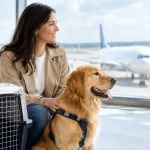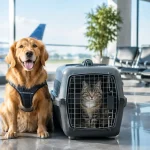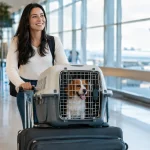



A lot of pet owners start with the same fear: Will my dog or cat be taken away at the airport? When people ask about pet quarantine in Panama, they are usually trying to understand one thing – how to keep their pet safe, comfortable, and moving forward without delays.
The reassuring answer is that quarantine is not always a long, automatic process. In many cases, it depends on whether the veterinary records, import documents, vaccinations, and timing all line up correctly before arrival. That is why planning matters so much. A small paperwork issue can create a much bigger problem once your pet lands.
How pet quarantine in Panama works
Pet quarantine in Panama is tied to compliance. Authorities want to confirm that incoming animals meet health requirements and do not present a disease risk, especially for rabies control. If all required steps are completed properly, the process is often much more manageable than people expect.
That said, “quarantine” can mean different things in practice. For some pets, it may involve an inspection and controlled release process rather than a lengthy stay in a holding facility. For others, missing or incorrect documents can lead to delays, additional veterinary review, or temporary holding until the issue is resolved. This is where families often get caught off guard. They assume that booking a flight is the hard part, when the real pressure point is compliance.
Panama’s procedures can also change over time, and requirements may vary depending on the country of origin, the species, and the exact travel circumstances. A dog coming from the United States under a well-prepared import file may face a very different arrival experience than an exotic pet, a bird, or an animal traveling under incomplete documentation.
What usually determines whether quarantine is required
The biggest factor is whether the import process was handled correctly before departure. Authorities generally look at the health certificate, vaccination history, timelines, and supporting paperwork. If something is missing, expired, inconsistent, or not endorsed as required, your pet may not be cleared as quickly as planned.
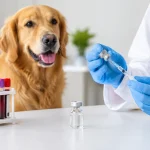
Rabies vaccination is one of the most sensitive areas. Dates matter. Product details matter. The interval between vaccination and travel matters. In some cases, additional testing may also come into play depending on the itinerary or destination requirements connected to the move.
The pet’s overall condition on arrival can also affect the process. If an animal appears unwell, stressed beyond expected travel fatigue, or inconsistent with the medical paperwork submitted, authorities may require closer review. That does not always mean a major problem, but it can slow release.
Species matters too. Dogs and cats tend to follow the most familiar import pathways. Birds and exotic animals often require extra layers of permits, health review, or agency coordination. Wildlife-related cases are even more specialized and should never be treated like a standard pet move.
Why paperwork errors create the biggest problems
Most quarantine-related disruptions do not start with the pet. They start with documentation. A certificate signed on the wrong date, a vaccine recorded differently than the microchip file, or a missing supporting stamp can trigger delays that are hard to fix once the animal is already in transit.
This is what makes international pet travel feel so stressful for families. You can do a dozen things right, but one detail handled too late can still affect the arrival. Airline acceptance, customs clearance, veterinary inspection, and import approval all connect to the same chain of information. If one part does not match the rest, the arrival process becomes more complicated.
For owners managing a move at the same time as visas, housing, schools, shipping, and flights, it is easy to underestimate how exact pet entry rules can be. That is one reason full-service support matters. The goal is not just to collect documents. It is to make sure each document works together with the travel plan.
Timing matters more than most people expect
One of the most common reasons pet quarantine in Panama becomes a concern is poor timing. Veterinary appointments are booked too early or too late. Endorsements are requested too close to departure. Flights are confirmed before import steps are finalized. Then everything starts to feel rushed.
International pet travel works best when the schedule is built backward from the arrival date. Vaccinations may need to be current within a specific window. Health certificates may only be valid for a limited number of days. Government approvals can take time. If your pet needs a rabies titer test for a later onward journey, that timeline can be even longer.
Owners are often surprised by how quickly a valid document can become invalid if the sequence is wrong. A health certificate completed outside the approved travel window may be useless, even if every medical detail on it is correct. Good planning is not about starting early in a vague sense. It is about sequencing each step in the right order.
What arrival day may look like
Arrival is usually the moment owners worry about most, and understandably so. Your pet has just completed a long trip, and you want a smooth handoff, not uncertainty. The exact process can vary, but the key stages generally involve document presentation, inspection, and formal release.
If everything is prepared correctly, the experience is typically much more straightforward than families imagine. Your pet may be reviewed by the relevant authorities, the file checked for compliance, and then released once clearance is complete. If there is a discrepancy, additional handling may be required. That could mean waiting for clarification, arranging further review, or temporary holding while the issue is addressed.
This is why professional coordination can make such a difference. When someone is already tracking the file, confirming airline handling, checking arrival procedures, and preparing for customs and veterinary review, there is less room for last-minute surprises.
Can quarantine be avoided?
In many well-managed cases, extended quarantine can be avoided or reduced to the minimum required arrival process. The best way to do that is not luck. It is careful compliance.
That means confirming current import requirements well before travel, using the correct health certificate format, making sure vaccinations and microchip information align, and validating every deadline against the flight schedule. It also means recognizing when a case is not simple. Senior pets, medically managed pets, brachycephalic breeds, birds, and exotic animals all require extra planning because airline and import variables can stack up quickly.
There is also a practical trade-off here. Some owners try to save time by handling every part themselves, but self-managing only works when you have the time and confidence to monitor every moving piece. If your relocation already includes international logistics, housing deadlines, and family travel, the margin for error gets smaller.
When expert help is worth it
If your move involves a tight timeline, connecting flights, multiple pets, an unusual species, or onward travel after arrival, professional support is often the safer route. A relocation specialist can coordinate documentation, communicate with veterinarians, align travel dates, and prepare for the inspection and release process so that pet quarantine in Panama is not left to chance.
For many families, the value is emotional as much as logistical. Your pet is not cargo in your mind. It is a member of the household, often traveling during an already stressful life transition. Having experienced support means fewer unknowns, clearer communication, and a much better chance of a calm arrival.
Panama Pet Relocation works with pet owners who want that kind of hands-on planning, especially when the move is complex or time-sensitive. The point is simple: when every document, deadline, and airport step is coordinated properly, your pet’s arrival is far more likely to stay on track.
A calmer way to think about pet quarantine in Panama
The word quarantine sounds intimidating, but it should not be the only thing you focus on. The real question is whether your pet’s trip has been prepared in a way that supports quick, compliant entry. When it has, the process is usually far more manageable than people fear.
If you are planning a move, give yourself enough time to get the medical and import steps right, and do not assume that standard airline booking help covers the regulatory side. A calm arrival starts long before takeoff, with a plan that protects both compliance and your pet’s well-being.