

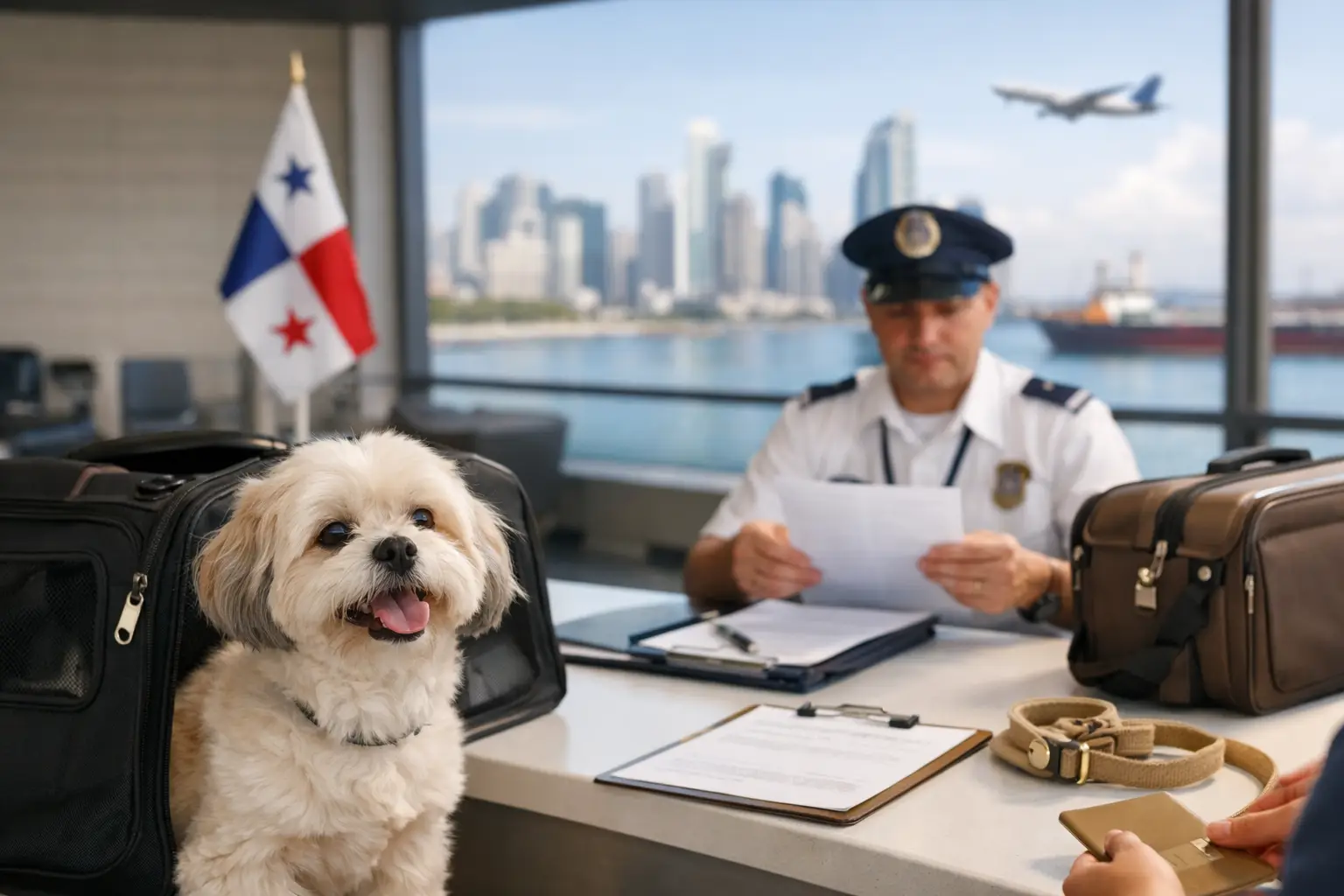

A family can plan every detail of an international move and still get stuck at the airport over one missing pet document. That is why panama pet customs clearance deserves real attention before travel day. For pet owners, this step is not just paperwork. It is the point where veterinary records, import rules, airline timing, and government review all have to line up.
If that sounds stressful, it is because it can be. The good news is that most problems are preventable when the process is handled early and correctly. The goal is not simply getting your pet on a flight. The goal is getting your pet legally cleared, safely released, and on the way home without last-minute surprises.
What panama pet customs clearance actually involves
Customs clearance for pets is the formal process of presenting the required documents to the relevant authorities so your animal can be admitted into the country. In practice, that usually means matching your pet’s travel details with health documentation, vaccination records, import approvals when required, and any supporting paperwork tied to the species and origin country.
For dogs and cats, owners often assume the airline check-in process covers everything. It does not. Airlines focus on transport eligibility. Customs and agricultural or veterinary authorities focus on legal entry. Those are related, but they are not the same thing.
That distinction matters because a pet can be accepted for travel and still face delays on arrival if the documents do not meet entry standards. A certificate issued too early, a vaccine listed incorrectly, or a mismatch between the microchip record and the health paperwork can turn a routine arrival into a long and anxious wait.
Why this step causes so many problems
The hard part is not usually one big rule. It is the accumulation of small requirements that must match exactly. Dates matter. Signatures matter. Endorsements matter. The species matters. The route matters too, especially if your pet is transiting through another country before arrival.
There is also a timing issue. Some documents have a short validity window. Others depend on veterinary appointments, government approval, or laboratory processing. If one piece slips, the rest of the travel plan may need to shift with it.
For families relocating on a fixed schedule, that creates pressure. You may be coordinating housing, flights, school schedules, movers, and immigration paperwork at the same time. Pet entry rules become one more critical system to manage, and unlike household goods, a live animal cannot simply sit in a warehouse while you sort out a missing form.
The documents that usually matter most
Every case depends on the pet, route, and country of origin, but certain documents come up again and again during panama pet customs clearance.
A valid health certificate is central. This confirms that a licensed veterinarian has examined the pet and found it fit for travel. Vaccination records are equally important, especially rabies documentation where applicable. In some cases, owners also need import permits, lab results, treatment records, or government endorsements.
The details on those documents must be consistent. Your pet’s name, breed, sex, age, microchip number, and owner information should match across the file. A small discrepancy may sound harmless, but border officials do not have room to guess what was intended. Their job is to verify compliance, not interpret unclear records.
For pets with more specialized travel profiles, the paperwork can be more involved. Birds, exotic animals, and wildlife cases may require additional permits and species-specific approvals. That is one reason experienced planning matters so much. These moves are rarely suitable for a do-it-yourself approach.
Timing is where good plans succeed or fail
Many pet import issues are really timing issues in disguise. An owner may have every required document, but one of them was completed outside the accepted window. Or a veterinarian may issue a certificate before a final vaccination record has been updated. Or the flight may change, which affects whether the document timeline still works.
This is why early coordination helps. A strong relocation plan works backward from the intended travel date. It accounts for veterinary visits, government processing times, possible airline changes, and arrival handling. It also leaves room for the practical reality that travel plans sometimes move.
That flexibility is especially important for international households relocating from the US or moving between countries in Central America, where routing and documentation standards can vary. A process that works for one origin country may not be enough for another.
Common mistakes pet owners make
The most common mistake is assuming online information is complete and current. Entry rules can change, and general advice often leaves out the operational details that actually determine whether your pet clears smoothly on arrival.
Another frequent issue is treating the veterinary appointment as the final step instead of one step in a larger chain. Your vet may prepare essential health records, but customs clearance often depends on how those records connect to permits, endorsements, and arrival procedures.
Owners also underestimate airport handling. After a long travel day, many expect a quick handoff. In reality, release can take time, especially if documents need review or if the arrival falls outside ideal processing hours. That does not always mean something is wrong, but it does mean expectations should be realistic.
Then there is the problem of partial preparation. Some families secure the obvious documents but overlook crate compliance, airline booking restrictions, transit country rules, or arrival coordination. International pet travel works best when each part supports the others.
When professional support makes the biggest difference
Not every trip is equally complicated. A straightforward dog or cat move with plenty of lead time is one thing. A short-notice relocation, a multi-country itinerary, a snub-nosed breed, an elderly pet, or an exotic animal case is something else entirely.
Professional handling becomes especially valuable when there is little room for error. That includes owners moving on employer timelines, retirees coordinating a permanent relocation, families traveling with children, or anyone trying to align pet travel with household arrival dates. In those situations, clear planning is not just convenient. It protects the move from preventable disruption.
An experienced relocation team does more than tell you which forms to gather. They help manage sequence, verify document consistency, coordinate with veterinarians and airline requirements, and oversee the arrival process so your pet’s release is handled properly. That operational support is what reduces stress.
For many families, the emotional benefit is just as important as the logistical one. Pets are not cargo. They are part of the household, and most owners feel that responsibility very deeply during a move.
What a smoother arrival looks like
A well-managed arrival usually feels calm, even if the behind-the-scenes work was extensive. Documents have been checked in advance. The pet’s file is organized. The arrival timing has been planned. The right parties know the pet is coming and what needs to happen next.
That does not mean every case is identical or that delays are impossible. Travel always involves some variables, and government review times can differ. But a properly prepared case is far less likely to face avoidable hold-ups.
This is where local expertise matters. A company that routinely manages pet moves into and out of Panama can anticipate practical issues that general pet shipping advice may miss. Panama Pet Relocation, for example, focuses on exactly this kind of end-to-end coordination, which is why families often turn to professional help instead of trying to piece the process together on their own.
Preparing now can save a difficult day later
If your move is still weeks or months away, this is the right time to start. Not because every case is urgent, but because good pet travel planning depends on lead time. It gives you space to correct paperwork, schedule veterinary steps properly, and build a travel plan that fits your pet’s needs instead of forcing rushed decisions.
And if your timeline is already tight, that makes clarity even more important. The fastest way through pet customs is rarely guesswork. It is a coordinated file, a compliant travel plan, and experienced oversight at the points where mistakes tend to happen.
A smooth pet arrival does more than check a legal box. It lets your pet leave the airport and begin settling into the next chapter with you, which is what this whole process is really about.