



International Pet Relocation Checklist Guide
August 24th, 2026 | Uncategorized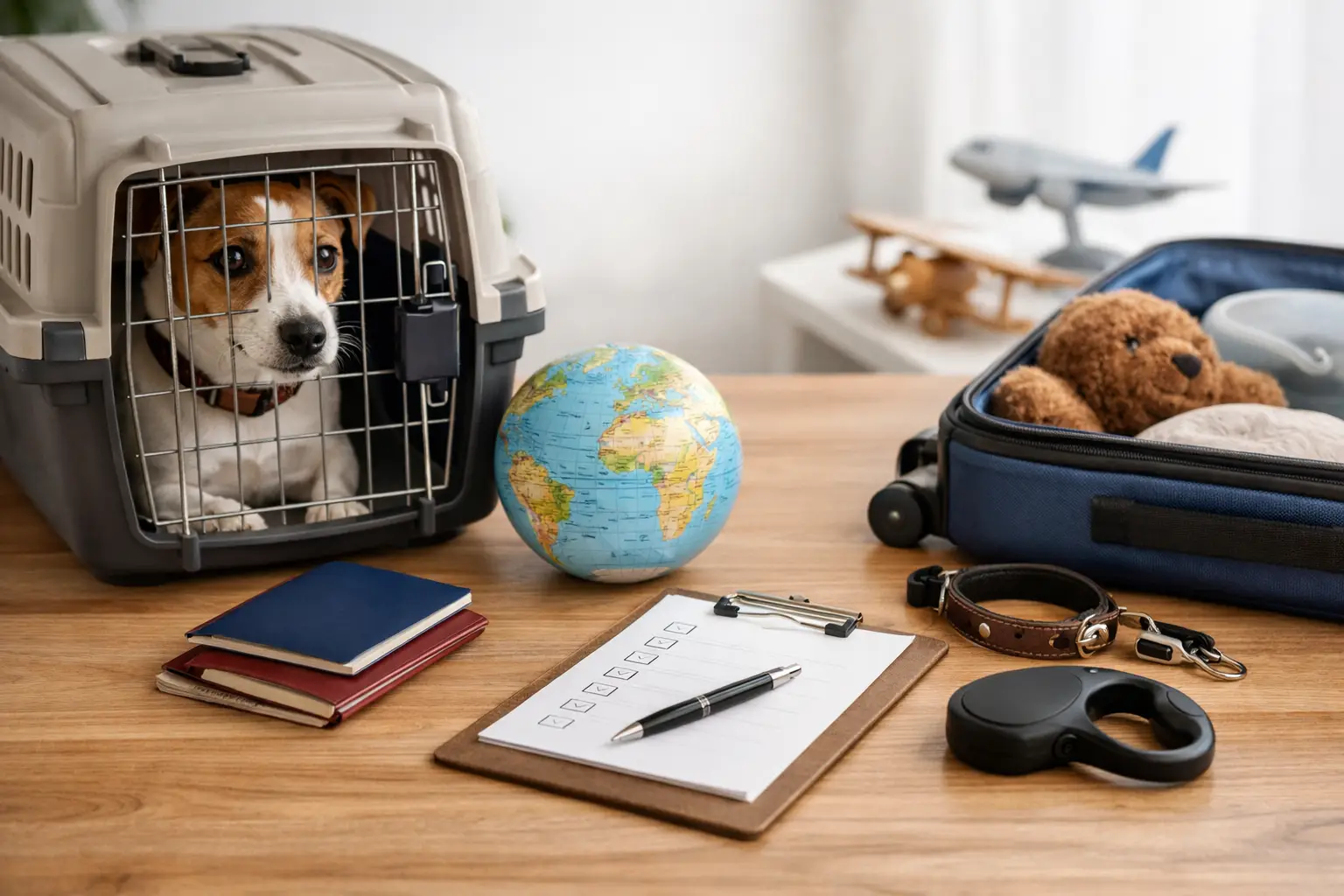
A missed vaccine date, a health certificate signed one day too early, or an airline crate that is a few inches too small can stop a pet’s trip at the airport. That is why an international pet relocation checklist guide should begin months before departure, not during the final week of packing. International travel with an animal is manageable, but every country, airline, and connection can add a different requirement.
For families moving to, from, or through Panama and Central America, the goal is not simply getting a pet on a flight. It is creating a documented, safe journey that meets veterinary, airline, customs, and destination rules without placing unnecessary stress on your dog, cat, bird, or other companion animal.
International Pet Relocation Checklist Guide: Start With the Destination
Your destination country sets the timeline. Before booking flights or arranging a travel crate, confirm the current import requirements for the specific species, breed, and country involved. Requirements can differ for dogs and cats, and they may be very different for birds, reptiles, or exotic animals.
Most countries require a current microchip, rabies vaccination, veterinary health certificate, import permit, and official endorsement from the relevant government authority. Some countries also require rabies antibody testing, parasite treatments, additional vaccines, quarantine reservations, or advance notice to customs. A pet that is returning to the United States may face different rules than one entering Panama, Colombia, Guatemala, or a European destination.
Do not rely on an old checklist from a previous move or advice from a friend who traveled last year. Entry rules can change, and the acceptable timing for a document may be narrow. A certificate that is valid for ten days in one destination may need to be issued within a shorter window for another.
Confirm the full travel route, not just the final country
A transit stop can matter. Some airports allow pets to remain in a secure transfer area with limited formalities, while others may require additional documentation when a pet changes airlines, stays overnight, or enters the country during a connection.
Share the entire route with your relocation coordinator, including domestic flights, international connections, planned overnight stays, and final ground transportation. The most direct route is often best, but not always. A slightly longer itinerary with a pet-friendly connection, better weather conditions, and adequate transfer time may be safer than a tight itinerary with multiple airline handoffs.
Build a Veterinary and Document Timeline
International pet travel is document-driven. Start by gathering existing vaccination records, microchip information, prior health certificates, and any medical history that may be relevant to travel. If records are incomplete, your veterinarian can help determine what must be updated or repeated.
A microchip should be scanned and confirmed before vaccinations or travel paperwork are completed. In many destinations, the rabies vaccine must be given after the microchip is implanted to be considered valid. If a rabies FAVN titer test is required, allow extra time. Laboratory processing, waiting periods, and destination-specific validity rules can turn a simple blood draw into a multi-month planning item.
Your veterinary plan should also account for your pet’s age and health. Young pets may not yet qualify for travel because they are too young for required vaccines or post-vaccination waiting periods. Senior pets and animals with medical conditions may need a more careful assessment of route, cabin temperature exposure, and flight duration. The safest plan depends on the individual animal, not just the country checklist.
Keep originals and clear copies of every document in one organized travel folder. This should include the microchip certificate, vaccination records, import permit, health certificate, government endorsements, laboratory results, airline booking confirmation, and contact details for the person receiving the pet. Digital copies are useful, but border officials and airlines may require originals.
Choose the Right Flight and Travel Method
Air travel options are not interchangeable. Depending on the pet’s size, route, airline policy, and destination rules, a pet may travel in the cabin, as checked baggage where permitted, or through a professional air cargo process. Each option has different booking rules, acceptance deadlines, crate standards, and handover procedures.
In-cabin travel can be comforting for some pet parents, but it is generally limited to smaller animals in an airline-approved carrier that fits beneath the seat. Cargo travel may be necessary for larger dogs, certain routes, or countries with specific import procedures. Cargo does not mean a pet is treated as ordinary luggage. When arranged correctly, it involves dedicated airline handling, scheduled acceptance, and coordinated customs clearance at arrival.
Avoid booking a pet itinerary based only on the lowest fare or the shortest advertised flight time. Consider seasonal heat, breed restrictions, aircraft type, airport facilities, transfer duration, and whether the airline accepts live animals on each flight segment. Snub-nosed breeds, for example, may face additional restrictions because they can be more vulnerable to respiratory stress.
Prepare the travel crate well before departure
The crate is your pet’s travel space, not a last-minute purchase. It must meet the airline’s current size and construction requirements and allow the animal to stand, turn around, and lie down comfortably. A crate that meets general pet-store labeling may still fail an airline inspection if its dimensions, ventilation, fasteners, or water container are not compliant.
Help your pet become comfortable with the crate gradually. Leave it open at home, add familiar bedding if permitted, and reward calm time inside. The aim is for the crate to feel familiar before travel day. Do not introduce a new crate for the first time at the airport.
For a practical pre-departure check, make sure you have:
- An airline-compliant crate or carrier with secure fasteners and ventilation
- Two attached water containers and clear identification labels
- Absorbent bedding or crate liner approved for travel
- Copies of travel documents attached in a protective pouch
- A feeding and care instruction sheet for handlers, if needed
- A collar or harness with identification, plus a secure leash for handovers
Ask your veterinarian before giving any medication. Sedation is not routinely recommended for air travel and may create health risks at altitude. If your pet needs medication for an established medical condition, document the dosing schedule and discuss the travel plan with the veterinarian in advance.
Plan the Departure Day and Arrival Process
Departure day is easier when the decisions have already been made. Confirm the airline’s live-animal acceptance time, terminal location, paperwork requirements, and cut-off deadline. Cargo acceptance can be much earlier than passenger check-in, so arriving at the airport on time matters as much as having the correct documents.
Feed your pet according to veterinary guidance and airline recommendations. Many pets do best with a normal meal earlier in the day and access to water before travel, rather than a large meal immediately before airport check-in. Give your pet a calm walk or bathroom break before entering the terminal, while allowing plenty of time for security and handover.
Arrival is another coordinated stage, particularly when customs clearance, veterinary inspection, or import permit validation is required. Your receiving contact should know where to go, what identification to bring, and whether the pet will be collected from the passenger terminal, cargo facility, or animal inspection area. Some countries process pets quickly when paperwork is correct; others require more time and a formal customs release.
If you are relocating to a new home, plan a quiet first evening. Set up water, food, a familiar bed, and a safe room before your pet arrives. After a long journey, many animals need time to decompress before meeting new people, exploring a new property, or adapting to a different climate.
When Professional Coordination Makes a Difference
A do-it-yourself trip can work for a straightforward route with a healthy pet and simple entry rules. The trade-off is that you become responsible for verifying every document, deadline, airline condition, and customs step. When travel involves Panama-specific paperwork, a complex connection, a large dog, a bird, an exotic animal, rabies titer testing, or a tight relocation date, professional coordination can reduce avoidable risk.
Panama Pet Relocation manages the details that are easiest to underestimate, from document sequencing and airline routing to customs clearance and final delivery. More importantly, a coordinated plan gives pet parents a clear point of contact when schedules change or officials request clarification.
Your pet does not need a perfect travel day. They need a carefully prepared one, with the right documents, a safe route, and people who know what to do at every handoff.