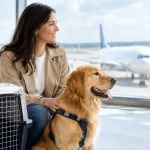


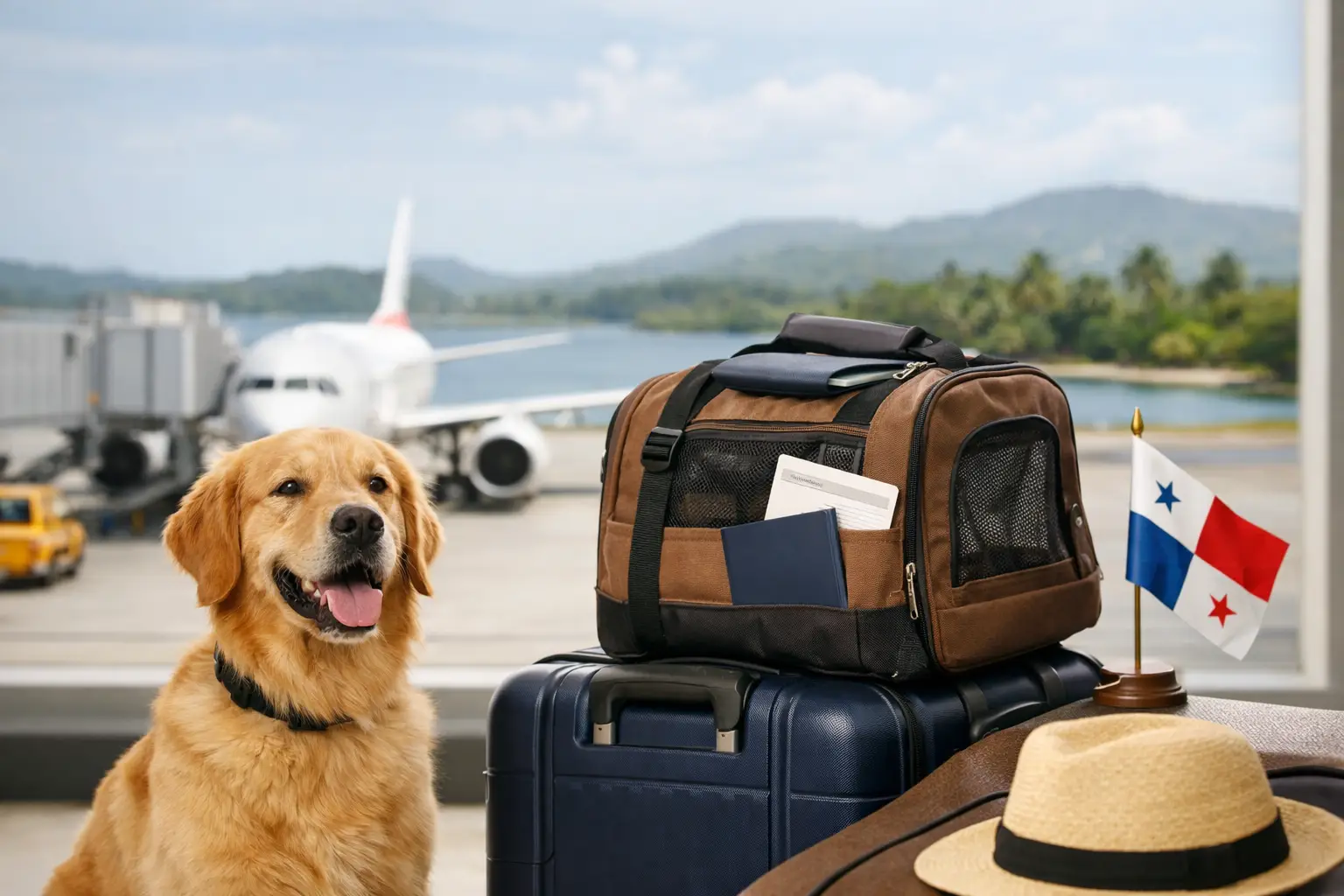

A relocation date can feel exciting until you look at your dog and realize they are not simply traveling with you. They are entering a new country under veterinary, airline, and customs rules that must line up at the right time. If you are researching cómo importar un perro a Panamá, the safest approach is to treat the move as a coordinated process, not a last-minute flight booking.
Panama welcomes pets, but the requirements, document timing, airline procedures, and arrival formalities need careful attention. A missing signature, an expired vaccine record, or a routing change can create delays at the airport and unnecessary stress for your dog. Planning early gives you more choices and keeps your focus where it belongs: getting your pet home safely.
Start with your dog’s travel profile
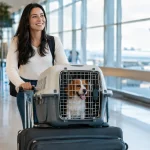
Every import plan begins with the individual dog. Breed, age, size, health status, departure country, and preferred travel method all affect the route and preparation timeline. A small dog may be eligible to travel in cabin on certain flights, while a large dog may need to travel in an airline-approved kennel as checked baggage or air cargo. Airline policies vary considerably, even when the destination is the same.
The country of origin matters, too. Panama’s import conditions may involve different supporting records depending on where your dog has lived or transited. Dogs traveling from countries with specific animal-health concerns can require additional planning. A direct flight is often simpler, but it is not always available or appropriate for every pet and schedule.
Before confirming travel, review your dog’s comfort with a crate, any medical needs, and their ability to handle heat, long connections, or unfamiliar environments. The goal is not only to meet the rules. It is to choose a travel plan that supports your dog’s welfare from door to door.
Documents needed to import a dog to Panama
Import paperwork is the part of the process where timing matters most. Requirements can change, and official documents generally must be issued within a limited window before departure. Do not rely on paperwork from a prior trip or assume a document accepted by an airline will satisfy Panama’s animal-health authorities.
A typical file may include vaccination records, an official veterinary health certificate, identification details, and applicable import authorization or pre-arrival notification. Rabies vaccination is commonly a central requirement, and records should clearly show the vaccination date, product information, and validity period. Your veterinarian may also need to document that your dog has been examined and is fit to travel.
Depending on the departure country and current regulations, documents may require endorsement by a government veterinary authority. This is often where a seemingly straightforward plan becomes complicated. Your private veterinarian can prepare clinical records, but government endorsement may have its own appointment availability, formatting standards, and processing schedule.
Keep original documents organized in a travel folder, with clear copies available as backup. Names, microchip numbers, dates, and breed descriptions should match across all records. Small inconsistencies can lead to questions during airline check-in or arrival inspection.
Do not prepare documents too early
Families sometimes start gathering paperwork months in advance, which is wise, but complete final certificates too soon. Health certificates and parasite-treatment records may have narrow validity periods. The better approach is to create a timeline early, then schedule the final veterinary visit, endorsements, and travel within the required sequence.
This is especially relevant during holiday periods, when veterinary offices, government agencies, and cargo facilities may operate on reduced schedules. A well-built timeline includes room for a correction if a document needs to be reissued.
Vaccinations, health checks, and crate preparation
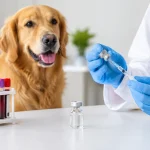
Your dog should be current on required vaccinations well before travel. If a rabies vaccine needs to be updated, the waiting period before entry can affect your departure date. Discuss the travel plan with a veterinarian familiar with international health certificates, particularly if your dog has chronic conditions, anxiety, or is taking medication.
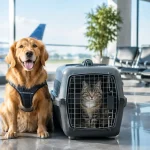
Crate training deserves the same attention as paperwork. For dogs traveling outside the cabin, the travel kennel must meet airline standards for size, construction, ventilation, and security. Your dog should be able to stand without crouching, turn around, and lie down comfortably. A kennel that is too small can be rejected at check-in, while one that is too large may be impractical for the aircraft or cargo area.
Introduce the crate gradually at home. Feed meals near it, allow your dog to rest inside voluntarily, and build positive associations over several weeks. Avoid sedating a pet for air travel unless a veterinarian has specifically advised it. Sedation can create health and safety concerns at altitude, and many airlines discourage or restrict it.
Choose the flight based on your dog, not only the fare
The cheapest itinerary is not always the best one for an animal. A route with a long layover, a tight connection, or an airport change may add unnecessary handling and exposure to weather. Direct flights can reduce complexity, but the right choice depends on airline pet capacity, seasonal conditions, pet acceptance rules, and your dog’s size.
Confirm the pet reservation separately from your own ticket. Airlines have limited pet spaces, and an airline may allow pets on a route while restricting them on particular aircraft or during periods of extreme heat. If your dog is traveling as cargo, cargo acceptance deadlines and terminal procedures will be different from passenger check-in.
Ask practical questions before travel: Who will receive the dog at the departure airport? What happens during a delay? Is the connection handled by the same carrier? Which terminal manages live-animal arrivals? Clear answers prevent a stressful surprise on travel day.
Arrival clearance in Panama
When your dog arrives, the process does not end when the plane lands. The pet must be presented for the applicable animal-health and customs review before leaving the airport. Officials may inspect the dog, examine original documents, and verify that the information matches the import file.
Arrival procedures can vary based on the airport, flight time, travel method, and current operational requirements. Late-night arrivals, weekend flights, and cargo shipments may require additional coordination. It is wise to confirm in advance that the appropriate personnel and documentation process will be available when your dog lands.
Once clearance is complete, prioritize a quiet transition. Offer water, a bathroom break, and a calm ride to your new home. Your dog may be tired, disoriented, or overstimulated after travel. Keep the first day simple, maintain familiar feeding routines, and give them time to settle into the new surroundings.
When professional relocation support makes sense
Some families manage a simple in-cabin trip themselves. Others benefit from experienced support because the itinerary, paperwork, or pet’s needs create more variables. Professional assistance can be particularly valuable for large dogs, cargo travel, multi-pet households, complex origins, short-notice relocations, or moves involving a connection through another country.
A pet relocation specialist can coordinate the document sequence, veterinary appointments, airline routing, airport handling, and arrival clearance as one plan. That coordination reduces the risk that each party assumes someone else has handled a critical step. It also gives families a knowledgeable point of contact when flights change or requirements need clarification.
Panama Pet Relocation supports families through these details with personalized planning centered on safe, compliant travel. The best time to seek guidance is before tickets are finalized, when there is still flexibility to choose the route and schedule that best fits your dog.
A calmer move starts before travel day
Importing a dog is both a regulatory process and a family transition. Give yourself enough lead time to confirm current entry requirements, prepare the correct documents, and select a flight that respects your dog’s needs. Requirements and airline policies can change, so verify details for your specific route rather than working from a generic checklist.
Your dog does not need to understand passports, certificates, or airport procedures. They need familiar care, careful preparation, and a confident person waiting for them at the other end. With the right plan in place, Panama can feel like home much sooner.