



How to Bring Pets to Panama Without Delays
August 12th, 2026 | Uncategorized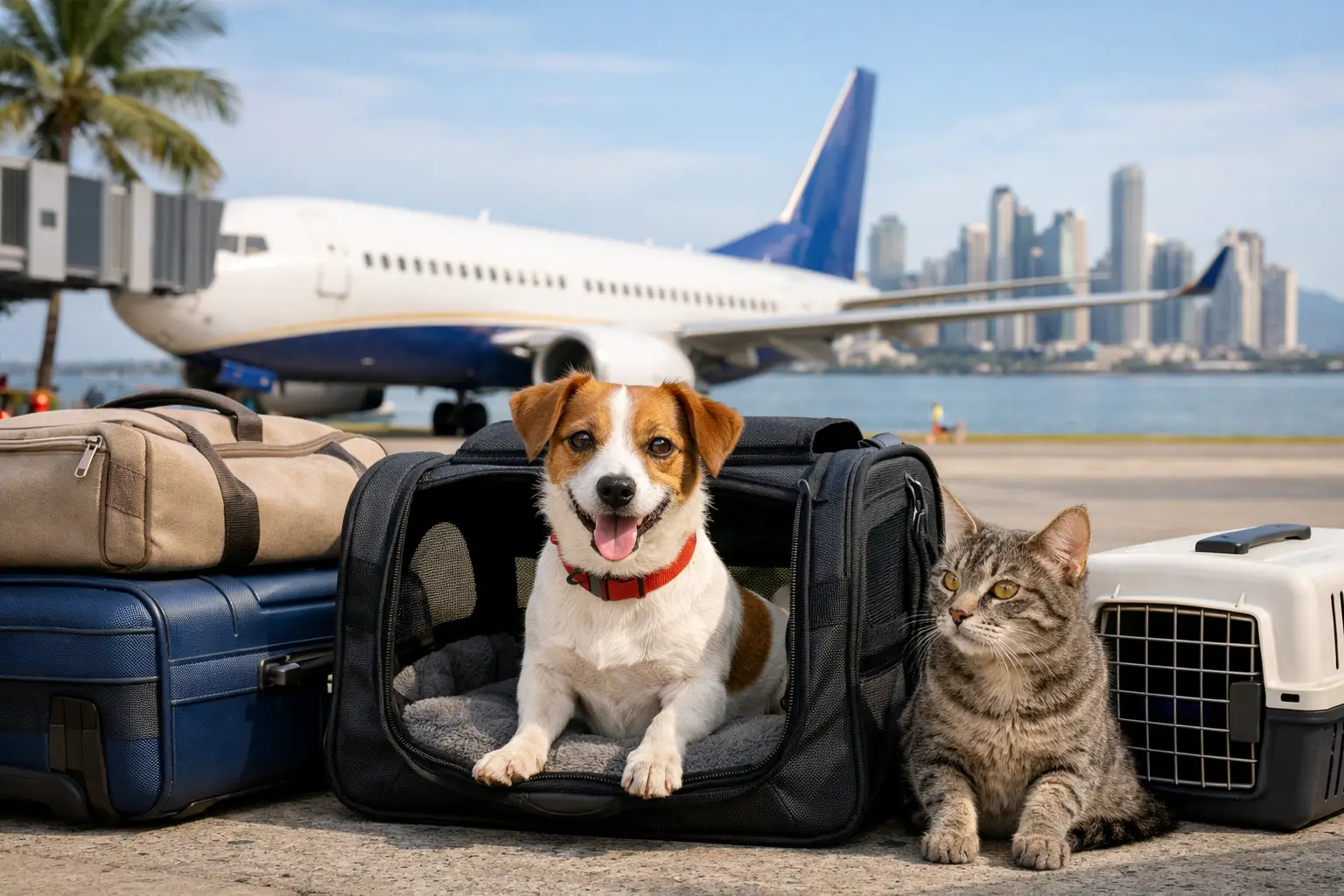
A family move can feel exciting right up until you look at your dog sleeping on the suitcase or your cat watching the packing boxes multiply. Learning how to bring pets to Panama is not just about booking a flight. It is a carefully timed process involving veterinary records, import approvals, airline rules, and arrival arrangements that must line up correctly.
The good news is that most healthy, properly prepared pets can enter Panama successfully. The challenge is that one outdated vaccine record, an incorrectly completed certificate, or a late document can create delays at the airport. Starting early gives your pet the calmest possible travel experience and gives your family room to handle changes without panic.
Start Your Panama Pet Import Plan Early
For most dogs and cats, planning should begin several weeks before travel, and longer is better when your pet has a complex medical history, needs updated vaccinations, or is traveling from a country with additional requirements. International travel is date-sensitive. A vaccination may need to be current within a particular validity period, while a health certificate and government endorsements may need to be issued close to departure.
Your first step is to confirm the current entry requirements for your pet’s species, origin country, and travel route. Requirements can change, and the rules for a dog or cat may not apply to birds, reptiles, or other animals. Do not rely on an old checklist from a friend who moved years ago. Your pet’s paperwork must meet the rules in effect for your actual date of arrival.
It also helps to decide early whether your pet will travel in cabin, as checked baggage, or as manifest cargo. The best option depends on your pet’s size, breed, temperament, airline availability, route, and the weather conditions during travel. An in-cabin trip can be a good fit for some small pets, but it is not automatically available on every flight or route. Larger dogs may need a different travel arrangement and an airline-approved kennel.
Documents Needed to Bring Pets to Panama
The paperwork is where many well-intentioned pet owners run into trouble. Documents need to be complete, legible, correctly dated, and consistent with each other. Your pet’s name, microchip details if applicable, owner information, vaccine dates, and travel dates should not conflict across records.
Veterinary health certificate
A licensed veterinarian typically examines your pet before travel and prepares the required international health documentation. This exam confirms that the animal appears healthy enough for transport and records the information required for entry. Because health certificates have limited validity, the appointment must be scheduled at the right point in the travel timeline.
Depending on the country of origin, the certificate may also need endorsement from the relevant government veterinary authority. This is not a step to leave for the final day. Government office schedules, processing times, holidays, and courier logistics can all affect when documents are ready.
Vaccination records and parasite prevention
Dogs and cats generally need current rabies vaccination records, along with other veterinary information required for Panama entry. Parasite prevention may also be part of the required preparation. Your veterinarian can advise on your pet’s health needs, but the travel file must also meet the destination’s specific documentation standards.
Keep original vaccination certificates and obtain clear copies for your travel folder. If your pet received a vaccine under a previous owner’s name or at a different clinic, verify that the record still clearly identifies the animal. A missing date, unreadable stamp, or mismatch in the pet’s details can become a problem when officials review the file.
Import authorization and customs paperwork
Panama requires advance import documentation for pets arriving from abroad. The exact process can vary by animal type and origin, which is why a personalized review is valuable. The goal is to have the import authorization and supporting documents ready before your pet lands, rather than trying to solve an issue at the arrival terminal.
Customs clearance is also part of the arrival process. A pet may be cleared quickly when the file is complete, but an incomplete or inconsistent file can result in additional review, delays, or requirements that disrupt onward travel. If you are arriving after a long international journey, that is not the moment you want to be searching through email attachments for a missing form.
Choose the Right Flight and Travel Setup
The shortest itinerary is not always the best itinerary for your pet. A direct flight may reduce handling, but it may not be available, may not accept pets on your date, or may have restrictions that do not fit your animal. A well-managed connection can sometimes be the more practical choice, especially when airline schedules, seasonal temperatures, and airport handling procedures are considered.
Airlines set their own pet policies in addition to government import rules. They may limit the number of pets on a flight, restrict certain kennel sizes, prohibit certain breeds, or suspend animal transport during extreme weather. Confirm the reservation for your pet directly and make sure the booking reflects the correct travel method. A human ticket confirmation does not always mean a pet space has been secured.
Your pet’s crate matters just as much as the booking. It must meet airline standards, provide appropriate ventilation, allow the animal to stand, turn around, and lie down comfortably, and be secure enough for airport handling. Introduce the crate well before travel day. Short, positive practice sessions at home can make an unfamiliar travel kennel feel more like a safe resting place.
Avoid changing food, medications, or routine right before the trip unless your veterinarian recommends it. Sedation is not routinely appropriate for air travel and should only be considered with direct veterinary guidance. Most pets travel better with familiar bedding or an approved comfort item, appropriate hydration planning, and a calm handoff at the airport.
What Happens When Your Pet Arrives in Panama
Arrival procedures depend on the airport, airline handling method, time of arrival, and the completeness of the documents. Your pet may be released through an inspection and customs process before rejoining you. Build extra time into your arrival day, especially if you have connecting transportation, a new home waiting, or a long drive after the airport.
Bring physical copies of every required document in an organized folder, even if copies were submitted in advance. Keep your veterinarian’s contact details, flight information, and a backup contact available as well. Digital files are useful, but airport staff may need to review signed originals.
Once you are home, give your pet time to settle. Panama’s heat, humidity, new sounds, and new smells can be a lot after travel. Offer water, a quiet area, familiar food, and a gentle routine. For dogs, keep early walks short during the hottest parts of the day. For cats, start with one comfortable room and allow them to explore gradually.
When Professional Pet Relocation Support Makes Sense
Some families manage a straightforward pet move themselves. Others benefit from professional help because they are relocating on a tight schedule, traveling with multiple animals, moving a large dog, coordinating from overseas, or dealing with a complex route. Exotic animals, birds, wildlife cases, and pets requiring specialized veterinary documentation need especially careful planning.
A full-service relocation team can coordinate the timeline from veterinary preparation through airline routing, import paperwork, customs clearance, and final delivery. This is not simply convenience. It reduces the chance that several separate parties – your veterinarian, airline, government offices, handlers, and customs authorities – receive conflicting information or miss a deadline.
Panama Pet Relocation supports families who want experienced, hands-on management of these moving parts. The right support should give you a clear plan, realistic timing, and direct answers about what your pet needs for the journey rather than a generic checklist.
Your pet has no idea why the household is changing, but they know your voice, your routine, and the comfort of arriving with you. Give the process enough lead time, keep every document organized, and make each decision with your pet’s welfare at the center. That preparation turns an intimidating international move into the first safe step toward home.