


Exotic Animal Transport International, Done Right
July 27th, 2026 | Uncategorized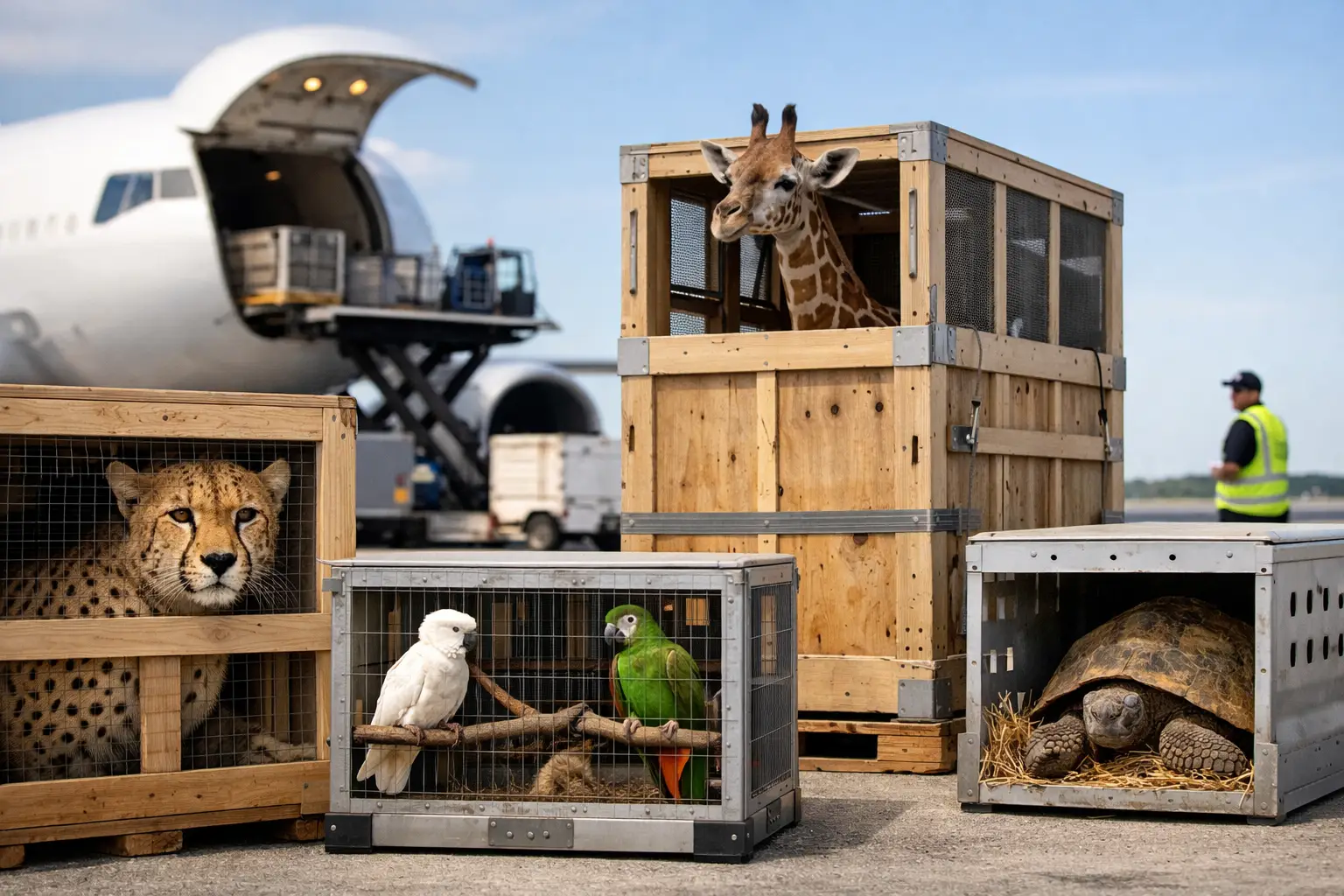
When an exotic animal crosses a border, the journey is rarely as simple as booking cargo space. Exotic animal transport international arrangements can involve species-specific permits, veterinary requirements, airline acceptance rules, customs procedures, and carefully planned handling at every transfer point. One missing document or an unsuitable route can result in delays, denied boarding, or an animal held in an unfamiliar facility.
For families relocating with a bird, reptile, small mammal, or another nontraditional companion, the stakes are personal. These animals may have precise temperature, diet, housing, and stress-management needs. A successful move requires more than logistics. It requires a plan built around the animal, the destination, and the regulations that govern both.
Why exotic animal transport international cases are different
Cats and dogs are subject to travel rules too, but many countries and airlines have established, familiar processes for them. Exotic animals can fall into several regulatory categories at once. They may be considered pets, wildlife, protected species, livestock, or a biosecurity concern depending on the species and the country involved.
That distinction changes everything. A bird may require identification records, disease testing, or a quarantine plan. A reptile may need permits that establish lawful ownership and legal export. Certain species may be restricted under international wildlife trade controls, even when they have lived with a family for years. Requirements can also differ between the country of origin, transit countries, and final destination.
This is why planning must begin well before travel dates are fixed. The right answer depends on the exact species, scientific name, origin, destination, travel method, and airline. General online guidance is not enough when an individual animal’s welfare and legal entry are on the line.
Start with species and destination eligibility
The first question is not which airline to use. It is whether the animal can legally enter the destination country and leave the country of origin. Some destinations prohibit certain species outright. Others allow entry only with advance permits, inspections, designated ports of entry, or quarantine arrangements.
Accurate identification is essential at this stage. Common names can be misleading, particularly for birds, reptiles, and small mammals. Authorities and permit offices often work from the scientific name, so the relocation file must match veterinary records, ownership documentation, permits, and airline paperwork exactly.
A professional review should also consider transit points. A connecting airport may be operationally convenient but unsuitable if the animal requires documents for transit, cannot be safely accommodated during a layover, or faces restrictions in that country. The shortest itinerary is not always the safest one.
Permits and health documents must work together
International exotic animal transport frequently involves more than a standard health certificate. Depending on the case, documentation may include import and export permits, wildlife trade permits, proof of lawful acquisition, vaccination records, laboratory results, veterinary examinations, and government endorsements.
For protected species, international wildlife trade documentation may be required before the animal can move. These applications can take time, and approvals are not guaranteed. It is never wise to schedule a flight based on an assumption that a permit will be issued by a certain date.
Veterinary preparation is equally specific. The examining veterinarian may need to address species-appropriate health statements, parasite treatment, testing, identification, or fitness-to-travel observations. Some requirements have narrow validity windows. A certificate issued too early can expire before departure, while a certificate issued too late may leave no room to correct an error.
The paperwork must also tell one consistent story. Differences in the owner’s name, the animal’s species, markings, identification number, or travel date can create a customs issue even if every document appears valid on its own. Careful document coordination is one of the most valuable protections in a complex relocation.
Choose routing for welfare, not convenience alone
Airlines do not accept every exotic species, and their policies can vary by route, aircraft type, season, and station. Acceptance may depend on crate specifications, temperature restrictions, cargo facility capabilities, and advance booking approvals. A route that works for one species may not be appropriate for another.
Temperature is a major consideration. Some animals are vulnerable to heat, cold, dehydration, or abrupt environmental changes. Long ground waits, outdoor transfers, and tight connections can create unnecessary risk. For that reason, a well-designed itinerary considers airport handling conditions as closely as flight duration.
Direct flights are often preferable, but they are not automatically the best choice. A direct route with poor timing, limited handling support, or restrictive weather conditions may be less suitable than a carefully managed route with a planned connection. The goal is to reduce stress and exposure while ensuring that every airport team is prepared for the animal’s arrival.
The travel container is part of the care plan
An airline-approved container is not simply a box that meets dimensions. It is the animal’s temporary environment throughout check-in, security, ground handling, flight, and customs clearance. It must be secure, appropriately ventilated, sized for the species, and configured to prevent injury or escape.
For birds, that may mean safe perch placement and protection from drafts. For reptiles, it may involve species-appropriate containment that maintains security while accounting for ventilation and temperature needs. For small mammals, bedding, water access, and separation from stressors may be critical. Food and water instructions should be clear, realistic, and aligned with airline and veterinary guidance.
The animal should be introduced to the travel container well before departure whenever possible. Familiarity can reduce distress on travel day. This preparation also gives time to identify problems with fit, behavior, or crate setup before the journey becomes urgent.
Customs clearance needs a plan before landing
Arrival is often the point where families feel the most pressure. After a long trip, they want to reunite with their animal quickly. Yet clearance may require veterinary inspection, permit verification, customs declarations, or coordination with a receiving agent before release is authorized.
A complete arrival plan identifies who will receive the animal, which documents must be presented, where inspections occur, and how ground transportation will be arranged afterward. If an animal is entering Panama or moving through Central America, local knowledge matters because procedures, agency expectations, and airport operations can vary significantly by location.
Families should avoid treating customs clearance as an afterthought. A compliant file, pre-arranged handling, and clear communication with the relevant parties can make the difference between a calm handoff and a stressful delay.
When professional coordination is especially valuable
Some moves are straightforward enough for an experienced owner to manage. Others deserve end-to-end coordination from a specialist who understands both animal welfare and international operations. Professional support is particularly helpful when a case includes protected species paperwork, multiple countries, tight relocation timelines, unusual veterinary requirements, a complex itinerary, or a destination with limited airline options.
The value is not simply in completing forms. It is in sequencing the work correctly: confirming eligibility before permits are pursued, securing documentation within the right timeframes, selecting an appropriate route, preparing the container, and coordinating clearance and delivery at the destination.
Panama Pet Relocation helps families manage these moving parts with personalized planning and hands-on support. For exotic and wildlife-related cases, the process begins with understanding the animal and the legal path available, rather than making promises before the facts are clear.
Give the journey the time it deserves
The most reliable exotic animal relocations are planned early, reviewed carefully, and adjusted when facts change. Flight schedules shift, agency requirements evolve, and animal welfare considerations may point to a better route or later departure date. Flexibility is not a setback when it protects the animal and keeps the move compliant.
Your animal is not ordinary cargo, and its relocation should never be treated that way. With early preparation, accurate documentation, and experienced coordination, an international move can be handled with the care your companion deserves.