



A pet can be fully vaccinated, appear perfectly healthy, and still be unable to travel on the planned date. One common reason is a missing rabies antibody test. Pet parents often ask, “when is rabies titer test required?” The answer depends on the destination, any countries where your pet will transit, and whether the move involves returning to a country with strict rabies-entry rules.
For an international relocation, a rabies titer test is not simply another veterinary appointment to schedule at the last minute. It can set the pace for the entire move. Some destinations require a qualifying blood test followed by a waiting period that may last months. Understanding that sequence early protects your travel plans and, more importantly, keeps your pet from facing avoidable delays at departure or arrival.
When Is a Rabies Titer Test Required?
A rabies titer test is required when the importing country requires proof that a dog or cat has developed sufficient antibodies after rabies vaccination. The test is often called a rabies antibody titer, rabies neutralizing antibody test, or FAVN test. FAVN stands for fluorescent antibody virus neutralization.
Requirements are set by the destination country’s animal health authority, not by your regular veterinarian or airline alone. A country may require the test because it is rabies-free, has tightly controlled rabies status, or uses titer results as part of its risk-management process for incoming animals.
You may need a titer test in several situations:
- Your destination country specifically requires a rabies antibody result for pet imports.
- Your pet will transit through a country whose rules apply even during a layover or airline transfer.
- You are moving from a country considered to have a different rabies risk category than your destination.
- You expect to return with your pet to a country that requires a titer result and waiting period for re-entry.
Not every international move requires one. Many countries accept a current rabies vaccination certificate along with an official health certificate and other import documents. But assuming the test is unnecessary because it was not required on a previous trip can be costly. Rules can differ by route, species, pet age, country of origin, and whether the animal is traveling with its owner or under a separate cargo arrangement.
What the Test Measures and What It Does Not
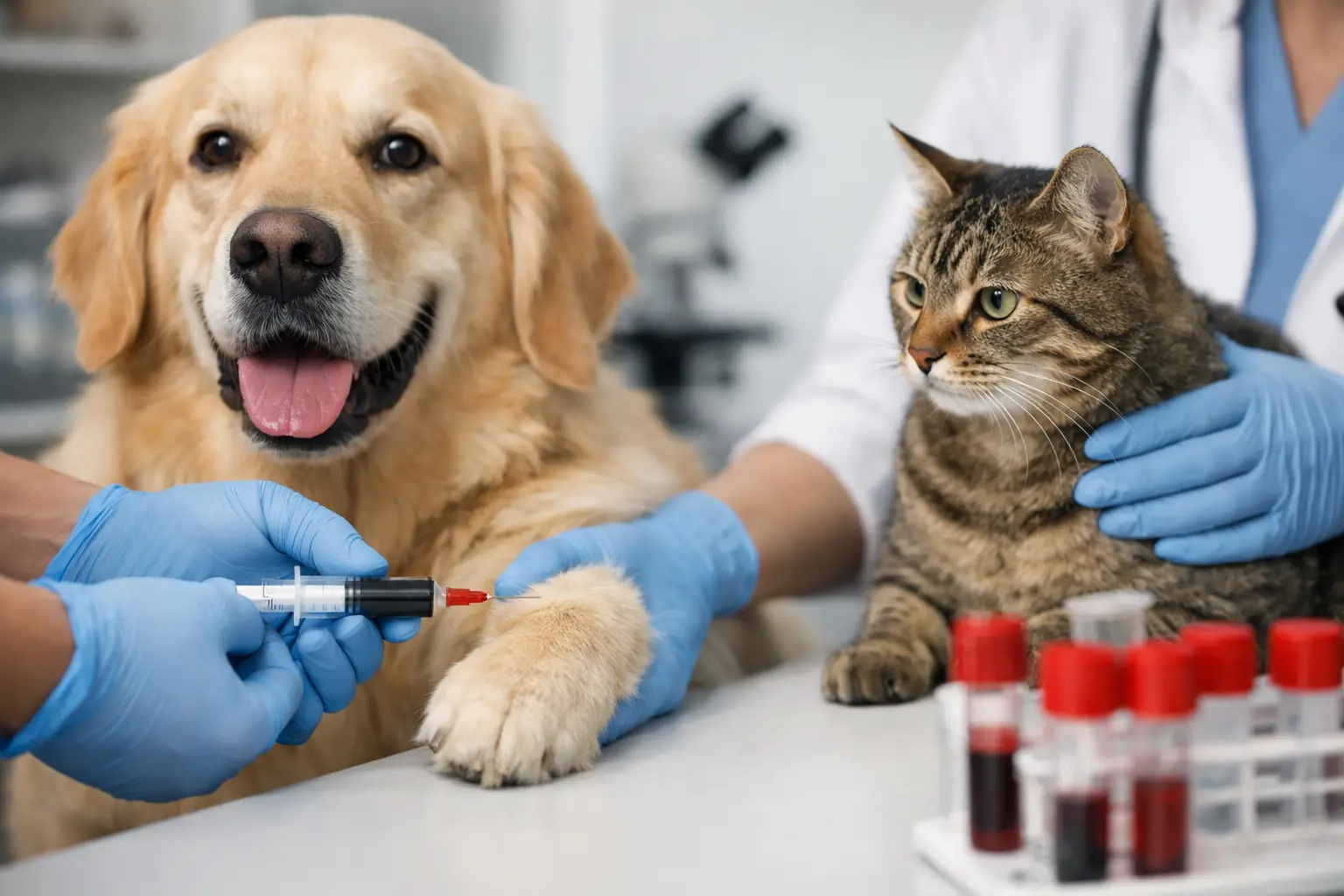
The rabies titer test measures antibodies in a blood sample. In simple terms, it helps show that your pet’s immune system responded to the rabies vaccine. A qualified laboratory analyzes the sample and reports whether the antibody level meets the destination’s required threshold.
The result does not replace rabies vaccination. Your pet must first have a valid rabies vaccine, and the vaccination must be properly documented. In many cases, the vaccine must be administered after a microchip is implanted so officials can connect the animal, vaccine record, and laboratory result without doubt.
A passing result also does not replace the rest of the import process. Depending on the destination, your pet may still need an import permit, government-endorsed health certificate, parasite treatments, airline-approved travel arrangements, and customs clearance. The titer is one critical part of a larger compliance file.
Why Timing Matters More Than Most Families Expect
The usual sequence is straightforward, but the timeline is not always short. First, your pet receives a microchip if required. Next comes the rabies vaccination. After the required post-vaccination interval, a veterinarian collects blood and sends it to an approved laboratory. Once the laboratory issues a passing result, the destination may impose an additional waiting period before travel.
The exact intervals vary by country. Some destinations allow travel soon after a passing result. Others require a lengthy wait calculated from the date the blood sample was drawn, not the date the result arrives. This distinction matters. A laboratory delay does not necessarily move the legal travel date, but an incorrectly timed blood draw can.
A common problem arises when a pet’s rabies vaccine has lapsed. Even if the lapse was only brief, the destination may treat the new vaccination as a primary vaccine rather than a booster. That can restart the waiting clock. Pets with a documented, uninterrupted vaccination history may have more flexibility, but families should never rely on assumptions when a flight date is approaching.
Plan earlier than you think you need to. A safe planning window accounts for veterinary availability, sample shipping, laboratory processing, possible retesting, government document review, airline scheduling, and the destination’s mandatory wait. International pet travel has multiple moving parts, and the titer timeline is often the least flexible one.
Countries, Transit Points, and Return Travel
Rabies titer requirements are most often associated with destinations that protect rabies-free or closely controlled animal-health status. However, the country where your pet lands is not the only rulebook that matters.
A transit route can affect your plan. Some airline itineraries involve a connection where pets are transferred between flights, temporarily held, or cleared under local procedures. The rules that apply depend on the airport, airline, connection length, and whether the pet remains in a secure transit area. A route that looks efficient on paper may create unnecessary regulatory complications for an animal traveling in cargo.
Return travel deserves equal attention. For example, a family relocating from the United States to Panama may not need a rabies titer for the initial move, depending on the current import rules and the pet’s travel details. But if the family plans to continue onward to a stricter destination or eventually return to a country with titer requirements, completing the test before leaving can sometimes preserve options. Whether that is worthwhile depends on the validity rules of the future destination, your pet’s vaccination history, and the expected length of your stay.
This is why a relocation plan should consider the full journey, not only the first flight. A pet’s records should support where the family is going now and, when possible, where life may take them next.
FAVN Testing: Small Documentation Errors Can Cause Big Delays
When a destination asks for a FAVN or approved rabies titer test, accuracy matters as much as the result. Officials may compare the laboratory certificate against the microchip number, vaccination certificate, blood draw date, pet name, species, and owner information. A mismatch can lead to questions, corrections, or a rejected file.
Before the sample is sent, confirm that the microchip can be scanned and that the number is identical on every document. Verify the vaccination date, vaccine product details, and veterinarian information. The laboratory must also be accepted by the destination authority. A test from an unapproved lab may not satisfy the import rule, even if the antibody result is high.
Do not confuse a general wellness blood panel with a rabies antibody test. They are entirely different tests. Likewise, do not assume a titer obtained for one country automatically works for another. The destination may have its own approved labs, forms, result threshold, or validity period.
A Better Way to Build Your Pet’s Travel Timeline
Start with the destination’s current import requirements, then work backward from the date you hope to travel. The first question is not “When can my pet fly?” It is “What is the earliest date my pet can legally enter?” That answer determines the veterinary and documentation schedule.
Your relocation plan should confirm the microchip status, rabies vaccination history, required titer type, approved laboratory, sample timing, waiting period, import permit timeline, and health certificate appointment. It should also review the proposed airline route before tickets are finalized. Changing a route late in the process can create avoidable stress for both pets and people.
For families managing a move to, from, or through Panama, Panama Pet Relocation can coordinate the veterinary timing, FAVN testing process, documents, routing, and arrival arrangements as one connected plan. That practical oversight is especially valuable when a titer result and a fixed relocation date are both in play.
Your pet does not understand why travel dates shift, paperwork changes, or airport routines feel different. What they do understand is your presence and preparation. Giving the rabies titer process enough time is one of the clearest ways to make their journey calmer from the very beginning.