



Dog Transport to Panama Made Clear and Calm
July 11th, 2026 | Uncategorized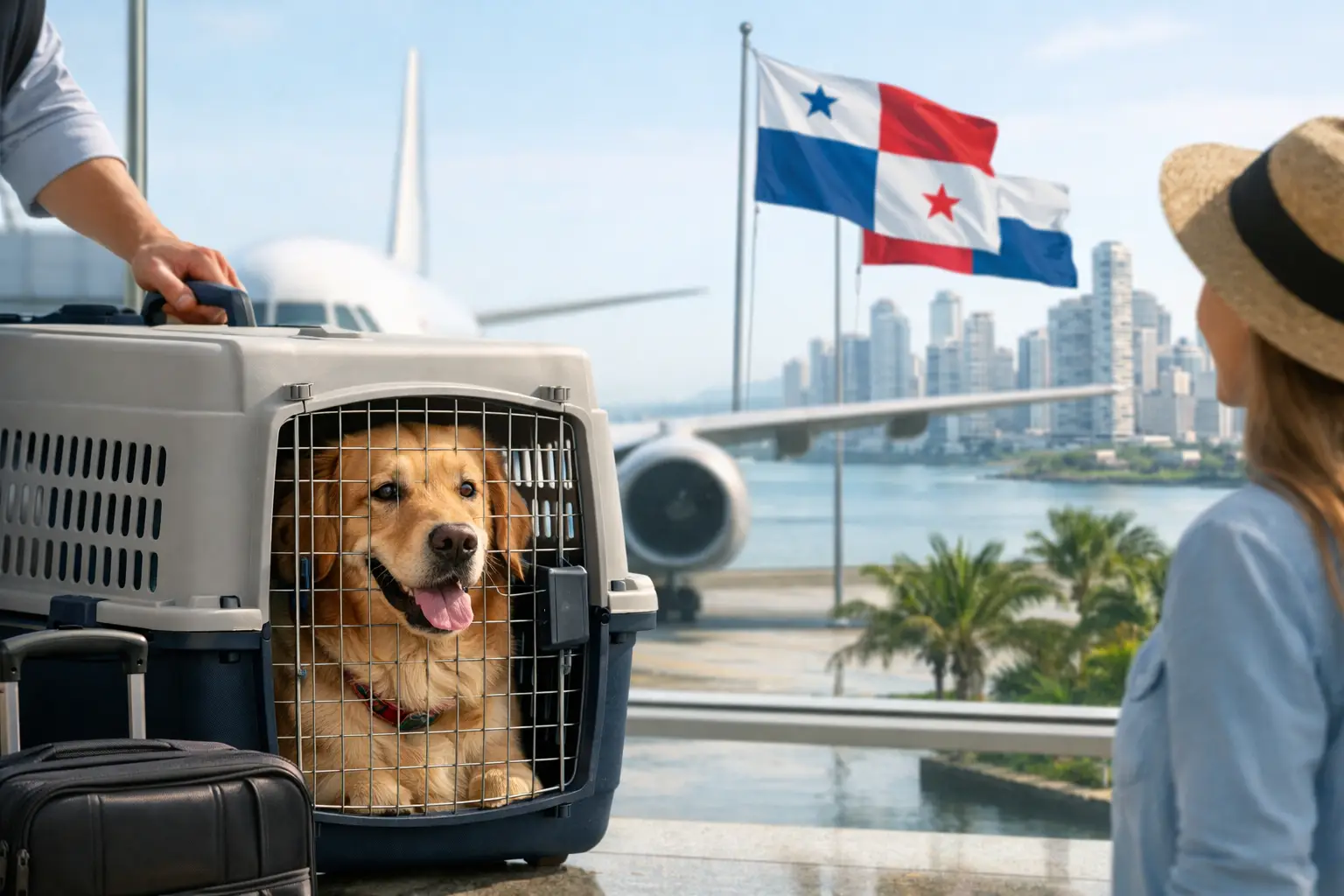
A move is already full of decisions: housing, flights, work schedules, and the small details that make a new place feel like home. When your dog is part of the move, dog transport to Panama becomes one of the decisions that deserves careful planning from the start. Your pet is not cargo to your family. Their travel plan should reflect that, with the right documentation, safe routing, veterinary preparation, and clear support at every handoff.
International pet travel can look straightforward until timelines, airline policies, health certificates, import rules, and customs procedures begin to overlap. A missed signature, a certificate issued outside its valid window, or an unsuitable flight connection can create unnecessary stress at exactly the wrong moment. The most reliable approach is to treat your dog’s journey as a coordinated relocation, not simply an airline booking.
Dog Transport to Panama Starts With a Timeline
The first step is confirming the current import requirements for your dog’s country of origin and travel date. Panama has specific veterinary, vaccination, and import documentation standards. These requirements can change, and they may be interpreted differently depending on the origin country, airline, airport, and type of travel arrangement. That is why generic checklists found online can be helpful for orientation but should not be your final plan.
Start planning well before your own departure date. Some veterinary steps must happen in a particular sequence, while government endorsements and airline reservations may have narrower timing windows. If your dog is traveling from a country with additional rabies-related requirements, the planning period may be longer. A relocation specialist can map the required steps backward from arrival so there is time to correct an issue before it becomes urgent.
Timing also affects flight choices. Direct service may be preferable when it is available and appropriate, but it is not automatically the best solution in every case. A well-managed connection with adequate transfer time may be safer than a rushed itinerary. The right route depends on your dog’s size, breed, health, tolerance for travel, departure city, weather conditions, airline acceptance policies, and the practical support available at each airport.
Documentation Is More Than Paperwork
For an international move, documents are the proof that your dog meets the health and entry conditions for the destination. They are also what airline staff, government officials, and customs personnel rely on when deciding whether travel can continue.
A typical file may include vaccination records, a veterinary health certificate, an import permit or authorization, owner identification, airline forms, and official endorsements when required. The exact documents depend on the route and current regulations. Accuracy matters as much as completeness. Your dog’s name, microchip details, dates, species, breed description, owner information, and travel itinerary must align across every document.
This is one area where well-meaning do-it-yourself preparation can become risky. A local veterinarian plays an essential role in examining your dog and issuing health information, but international requirements may involve additional agencies, document formats, appointment timing, and destination-specific procedures. Coordinating these details early protects your travel date and helps prevent arrival delays.
For families leaving Panama, the process can be just as detailed. Destination countries may require export certificates, import permits, rabies FAVN titer testing, parasite treatments, or pre-approval before an airline will accept the pet. A travel plan should account for both Panama’s export process and the rules at the destination.
Choosing the Safest Way for Your Dog to Fly
Dogs may travel in cabin, as accompanied checked baggage where permitted, or through a specialized air cargo arrangement. No single option is right for every pet. A small, calm dog that fits within an airline’s carrier limits may be a candidate for in-cabin travel, while larger dogs typically need an airline-approved travel crate and a different transportation arrangement.
The decision should be based on welfare and operational reality, not just preference. Airlines have different rules on breeds, seasonal heat restrictions, crate dimensions, transit points, and permitted travel methods. Certain snub-nosed breeds, for example, may face limitations because of respiratory risk. Young puppies, senior dogs, dogs with medical conditions, and highly anxious dogs deserve individualized veterinary and travel planning.
A properly sized crate is a central part of safe transport when a dog cannot travel in cabin. Your dog should be able to stand without crouching, turn around, and lie down comfortably. The crate must meet the airline’s current requirements and be secure enough for the full journey. Familiarizing your dog with the crate well ahead of travel is kinder than introducing it on departure day.
Use calm, positive crate practice at home. Let your dog enter voluntarily, rest inside with the door open, and gradually become comfortable spending short periods in it. Avoid changing food, routines, or medications at the last minute unless your veterinarian directs otherwise. Sedation is not routinely appropriate for air travel and should only be discussed with a qualified veterinarian who understands your dog’s health and the travel conditions.
Arrival, Customs, and the First Hours Home
Arrival is not simply the moment the plane lands. Your dog may need to be collected from a specific terminal or cargo facility, presented for veterinary review, and cleared through customs before leaving the airport. The procedure can vary based on the flight, travel method, time of arrival, and current official process.
A prepared arrival plan includes knowing who will meet the dog, where the crate will be collected, which original documents must be presented, and how transportation from the airport will work. After a long journey, your dog needs a quiet transition: fresh water, a bathroom break, a calm vehicle, and time to settle into the new environment. It is wise to keep the first day simple rather than introducing visitors, unfamiliar dogs, or a busy schedule.
Panama’s warm climate also deserves consideration, particularly for dogs arriving from colder regions. Plan walks for cooler hours, keep water readily available, and give your dog time to adjust. If your dog seems unwell, unusually fatigued, or distressed after travel, contact a local veterinarian promptly.
When Professional Coordination Makes the Difference
International dog travel involves multiple parties who each handle only part of the journey: veterinarians, airlines, government offices, airport staff, customs officials, ground transport teams, and destination contacts. The pet owner is often left trying to connect those pieces while managing their own international move.
Professional relocation support brings those steps into one plan. The service can include document guidance, veterinary and vaccination coordination, airline routing, crate support, airport handling, customs clearance, and delivery to your new home. For some families, VIP door-to-door service or in-cabin concierge support offers added reassurance, especially when travel schedules are tight or the pet has needs that call for closer oversight.
The value is not only convenience. It is having someone monitor deadlines, confirm that documents match the itinerary, respond when an airline changes a schedule, and coordinate the practical details at departure and arrival. Panama Pet Relocation provides this kind of hands-on planning for families who want experienced support through every stage of the process.
Questions Pet Parents Often Ask
How early should I begin planning?
Begin as soon as your move is being considered, ideally several months before travel. The appropriate lead time depends on your origin country, your dog’s medical and vaccination history, airline availability, and any destination-specific testing or permit requirements. Early planning creates better routing options and reduces the chance of rushed documentation.
Can my dog travel on the same flight as me?
Often, yes, but it depends on your dog’s size, the airline, the aircraft, the route, weather conditions, and the permitted travel method. Traveling on the same itinerary may feel reassuring, but a different flight can occasionally be the safer or more workable option. The goal is a compliant, carefully managed journey rather than forcing a particular flight arrangement.
What should I pack for my dog’s trip?
Keep essentials practical: the required original documents, an airline-compliant crate or carrier, absorbent bedding if permitted, identification, and any veterinarian-approved travel instructions. Food and water arrangements must follow airline guidance. Avoid overpacking the crate, as unsecured items can shift during transit and may not be accepted by the airline.
Your dog will take cues from you throughout the move. By preparing early, keeping routines calm, and putting the operational details in experienced hands, you can give them the steady start they deserve in their new home.