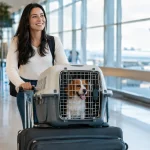




A move can be exciting right up until you look at everything required to bring your pet with you. International pet travel is not one single service or document. It is a coordinated process involving veterinary timing, government requirements, airline rules, airport handling, and safe ground transportation. A clear pet relocation cost breakdown helps families understand what is being planned, why each step matters, and what may affect the scope of their move.
The most useful way to review a relocation estimate is not to look for one universal figure. Every route, species, airline, destination, and travel timeline is different. Instead, look for a plan that identifies the work required to move your pet legally, safely, and with appropriate care from origin to final destination.
What a Pet Relocation Cost Breakdown Should Include
A professional relocation plan should separate the major parts of the journey so you can see what is being managed on your behalf. For a move to, from, or through Panama, that often starts well before travel day and continues until your pet is cleared and delivered safely.
Import and export documentation
Documentation is often the most time-sensitive part of an international move. Depending on the countries involved, your pet may need an import permit, export paperwork, an international health certificate, vaccination records, parasite treatment records, government endorsements, or supporting declarations.
The work is not simply filling in forms. Documents must match your pet’s microchip details, travel dates, flight routing, airline requirements, and destination regulations. Some certificates have narrow validity windows, so arranging them too early can be as problematic as arranging them too late. A cost breakdown should make clear whether document preparation, permit coordination, government submission, and follow-up are included.
Veterinary preparation and health requirements
Your pet’s health requirements are determined by the destination and, at times, the airline or transit country. Required preparation can include a microchip, current vaccinations, a veterinary examination, laboratory testing, or a rabies FAVN titer test. Certain destinations also require a specific sequence of steps and waiting periods.
These requirements are one reason early planning matters. A pet that is otherwise healthy may still be unable to travel on a preferred date if a test result, vaccine interval, or official endorsement is pending. A thoughtful relocation plan accounts for the veterinary calendar and helps prevent last-minute changes that add stress for both pets and families.
Air travel and route planning
Airline travel involves more than reserving a place for a pet. Availability can be limited by aircraft type, temperature restrictions, breed considerations, seasonal embargoes, airport facilities, and airline-specific acceptance rules. The best route is not always the shortest route on a map.
For some pets, a direct flight may reduce time in transit. For others, the safer option may be a route with better handling facilities, a more suitable aircraft, or a carefully managed connection. Travel may be arranged as in-cabin service, accompanied travel, or cargo transport, depending on the pet, route, and applicable rules. Your plan should state the intended travel method and the operational support behind it.
Travel kennel and comfort planning
When a pet travels outside the cabin, the travel kennel must meet airline and international transport standards. Size, ventilation, construction, door security, absorbent bedding, labeling, and water access all matter. The kennel should give your pet enough room to stand naturally, turn around, and lie down comfortably.
A well-prepared pet also benefits from kennel familiarization before the journey. Introducing the kennel gradually at home can make it feel like a familiar resting place rather than a new source of anxiety on travel day. Professional guidance in this area is practical care, not an optional extra.
Airport, customs, and quarantine handling
Arrival procedures can vary significantly by destination. Some pets are released quickly after document review, while others require customs processing, inspection appointments, prior approvals, or additional coordination at the airport. A mistake in paperwork can lead to delays, extra handling, or a much more difficult arrival experience.
For moves involving Panama and Central America, local knowledge is especially valuable. The process may involve communication with veterinary authorities, airport personnel, customs officials, and ground teams. A detailed plan should explain who is responsible for clearance coordination and how your pet will be supported after landing.
Ground transportation and final delivery
The journey does not end when the aircraft lands. Pets may need pickup from a residence, transportation to the departure airport, assistance during check-in, collection on arrival, and delivery to a home, hotel, or final residence. These arrangements are particularly helpful for families arriving with children, luggage, and their own immigration requirements to manage.
Door-to-door and VIP transport services can reduce the number of handoffs and give owners a clearer point of contact throughout the move. The right level of service depends on the route, your schedule, your pet’s needs, and how much hands-on support you want during an already demanding transition.
What Can Change the Scope of a Pet Relocation?
No two relocations are identical, and a reliable provider should explain the factors that may change the plan. The most common variables are your origin and destination, your pet’s size and species, the type of travel requested, the airline route, and the amount of lead time available.
A large dog may require different airline handling and kennel arrangements than a small cat traveling in cabin. Birds, exotic animals, and wildlife cases can involve additional permits, specialized carriers, species-specific welfare considerations, and agency approvals. A route with a transit country may require extra review even when your pet does not leave the airport.
Timing is another major factor. When travel is planned well in advance, there is more room to coordinate veterinary appointments, secure suitable flights, and schedule approvals correctly. A short-notice move may still be possible in some cases, but it can limit routing choices and require more intensive coordination. Being transparent about your target travel date from the first conversation helps create a realistic plan.
How to Compare Relocation Proposals With Confidence
When comparing services, focus on clarity and accountability rather than a single line item. Ask what is included, what is handled directly, and what depends on third parties such as airlines, veterinarians, or government agencies. You should also understand who will monitor the process if a flight schedule changes or an official requests a document correction.
A complete proposal should identify the journey from start to finish: pre-travel preparation, document management, flight coordination, airport handling, arrival clearance, and delivery arrangements. It should also distinguish between standard services and elements that depend on your pet’s route or individual requirements.
Communication matters just as much as paperwork. Families should know what happens next, which appointments are time-sensitive, and when to expect updates. International relocation can feel complicated because there are many moving parts. The right support makes those parts visible, organized, and manageable.
Planning Early Protects Your Pet’s Travel Date
The best time to begin is before flights are booked and before the household move becomes urgent. Early planning gives your pet’s relocation team time to review the route, verify current entry rules, map veterinary deadlines, and identify any special considerations. This is especially valuable for pets with medical needs, large breeds, in-cabin travel requests, multi-country itineraries, or destinations with testing requirements.
At Panama Pet Relocation, the goal is to replace uncertainty with a personalized travel plan built around your pet’s welfare and your family’s schedule. A well-explained pet relocation cost breakdown is not just about understanding services. It is a way to see the care, compliance, and coordination that protect your pet at every stage of the journey.
Before your moving date starts to feel close, gather your pet’s existing records and request a route-specific review. A little preparation now can give your pet a calmer, safer start in their new home.