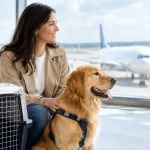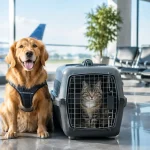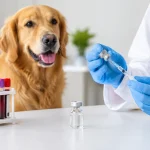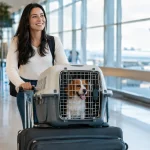


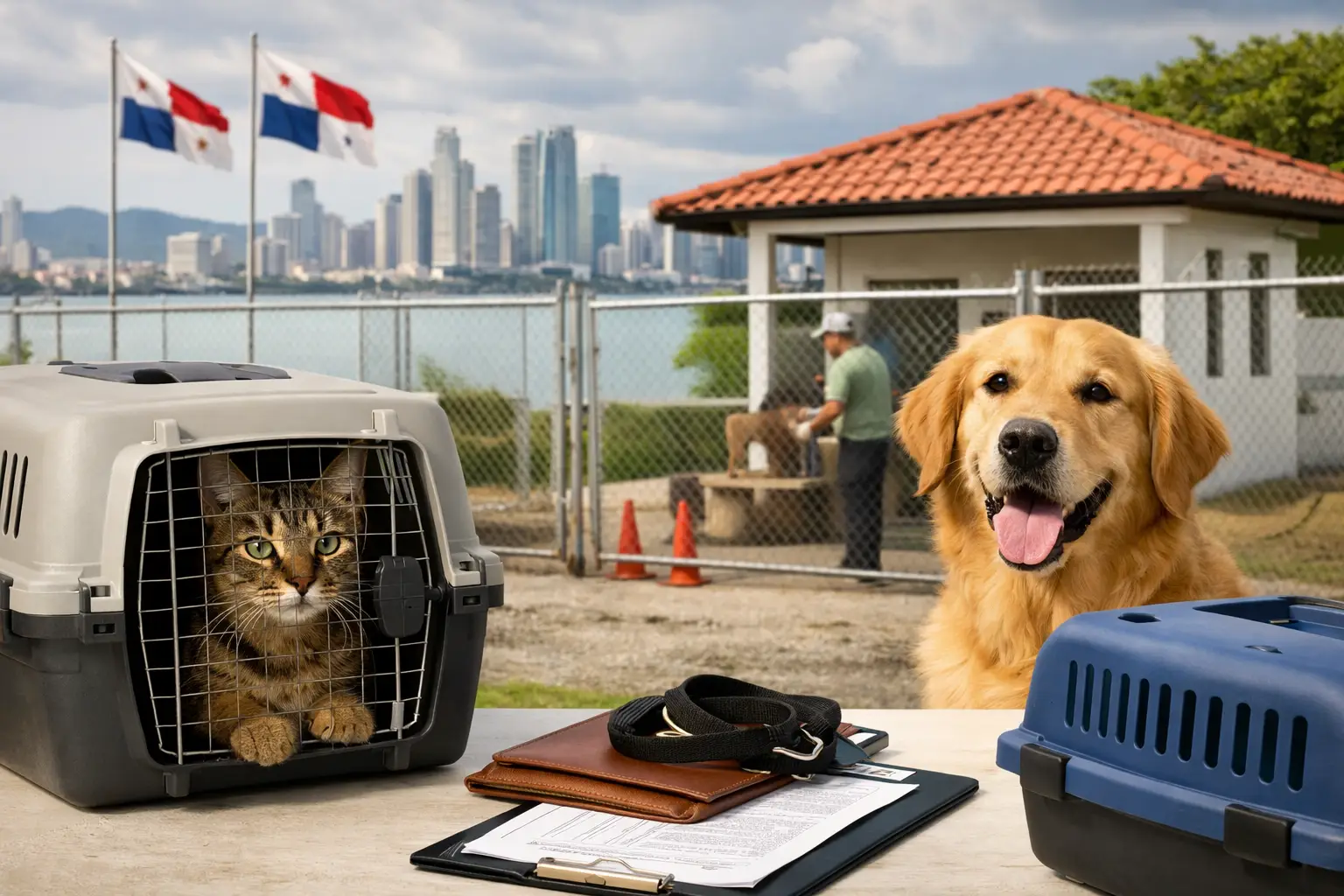

A missed stamp, an expired rabies record, or an airline crate that does not meet the flight rules can turn a carefully planned move into a stressful arrival day. This Panama animal quarantine compliance guide helps pet families understand the moving parts before travel, so their dog, cat, bird, or other animal can arrive with the right records, appropriate handling, and a clear plan for release.
For most household pets, the goal is not a lengthy facility stay. It is demonstrating to the relevant authorities that the animal meets current health, identification, and import conditions. When documentation is complete and the animal appears healthy on arrival, the process may be far more straightforward than families expect. But the details matter, and the rules can differ by species, country of origin, travel route, and current animal-health conditions.
What Quarantine Compliance Really Means
Many pet owners hear the word quarantine and picture their pet being separated from them for weeks. That outcome is not necessarily the standard for a properly prepared dog or cat entering Panama. Compliance may involve an official review of veterinary documents, an arrival inspection, and, where applicable, an approved period of observation at home rather than a traditional quarantine facility.
The decision rests with the authorities and depends on the animal’s documentation, health status, and the import conditions in effect at the time of travel. If records are incomplete, vaccination timing is outside the permitted window, or an animal shows signs of illness, additional restrictions, examination, or holding can become more likely.
This is why quarantine planning should begin well before the flight is booked. It is not a task to leave for the airport counter.
Panama Animal Quarantine Compliance Starts With Documents
A compliant arrival begins with a document file that tells one clear story: this is your pet, its vaccinations and health care are current, it has been examined for travel, and its entry has been authorized where authorization is required.
For dogs and cats, families commonly need a current veterinary health certificate prepared within the required pre-travel period, evidence of rabies vaccination, vaccination history, and an import-related authorization or quarantine arrangement when applicable. Documents issued outside Panama may also require official endorsement by the competent veterinary authority in the country of departure.
The exact document format, signature requirements, validity periods, and endorsements can change. A certificate that was accepted for a previous move, or that a friend used last year, should not be treated as a current checklist. International pet travel is regulated at several levels: the exporting country, the airline, transit countries, and Panama can each have requirements.
Timing Is Often the Hardest Part
A valid document is not enough if it is signed too early or too late. Rabies vaccination rules may specify a waiting period after an initial vaccine. Health certificates generally have a short validity window. Government endorsements can take time, especially around holidays or during periods of high travel demand.
Start by working backward from the intended arrival date. Confirm the latest rules, identify the veterinary appointment deadline, allow time for any government endorsement, and build a cushion for flight changes. This approach protects both your schedule and your pet from a rushed, preventable problem.
Keep the File Consistent
The name, species, breed, sex, age, microchip number if used, and vaccination dates should match across every record. Small inconsistencies can create delays because officials must be able to connect the animal standing in front of them with the documents presented.
Bring original paperwork in an organized folder, not packed inside checked luggage. Carry clear copies as a backup, but do not assume a phone photo will replace an original certificate or official stamp. Your relocation coordinator should also have a complete copy set before departure in case an airline or ground handler requests verification.
The Arrival Process: Inspection, Clearance, and Release
Arrival day is where veterinary compliance meets airline logistics and customs procedures. Your pet is generally transferred through an approved cargo or baggage process depending on the travel method, then presented for the appropriate inspection and clearance steps.
Officials may review the certificate, vaccination records, permit or quarantine documentation, and the pet’s general condition. A calm, clean carrier and a pet that can be safely handled make this part easier. The crate must also satisfy airline requirements, which are separate from import requirements. An animal can have perfect paperwork and still be refused boarding if its travel kennel is too small, poorly ventilated, damaged, or otherwise noncompliant.
After the required review, release may involve customs clearance and delivery coordination. The order of these steps matters. Families who arrange only the flight often discover that the most difficult work happens after landing: locating the animal, presenting documents to the right desk, completing formalities, and arranging safe onward transport.
A professional handler can coordinate the airport sequence, communicate with the parties involved, and help prevent a tired family from having to solve administrative problems while worrying about their pet.
Home Observation Versus Facility Quarantine
When authorities require a quarantine measure for an otherwise eligible household pet, home observation may be an option under the applicable conditions. This generally means keeping the pet at the declared address, monitoring its health, and following any instructions issued by the authorities. It should never be assumed or self-arranged without the proper approval.
A facility quarantine or other controlled measure may be considered when there are health concerns, missing documents, unresolved compliance issues, or species-specific restrictions. The right plan depends on the facts of the case. A healthy, fully documented family dog arriving from a routine origin is very different from an exotic animal, a bird, or a pet traveling from an area affected by a reportable disease event.
If your housing is still being finalized, address that early. A home-based observation arrangement may require a reliable local address and an owner or representative who can meet the stated conditions.
Birds, Exotic Pets, and Wildlife Need a Different Plan
Dogs and cats are the most common cases, but they are not the only animals families move. Birds, reptiles, small mammals, and wildlife-related cases can involve additional layers of veterinary, environmental, conservation, airline, and export controls.
For these animals, the question is not simply whether a health certificate is available. You may need to establish legal ownership, species identification, transport suitability, and permissions tied to protected or regulated species. Some animals cannot travel on every airline or route, and some may require specially designed containers, temperature planning, or advance acceptance from cargo teams.
Do not apply a dog or cat checklist to an exotic-pet move. Request a species-specific assessment before making travel commitments. The earlier this happens, the more options you will have for routing and compliance.
Common Mistakes That Put an Arrival at Risk
The most frequent problems are rarely dramatic. They are usually administrative gaps that seemed minor during planning. Families may rely on an outdated checklist, schedule a health certificate too early, omit a required endorsement, or book an itinerary with a transit country that creates a new requirement.
Another common mistake is treating airline rules as an afterthought. Cabin travel, checked-pet travel, and manifested cargo each have different availability, pet limits, carrier standards, breed restrictions, and seasonal considerations. A direct flight may be easier for the pet, but it is not always available or operationally suitable. The best routing balances travel duration, airline acceptance, arrival handling, weather exposure, and regulatory requirements.
Finally, avoid assuming that a veterinary clinic can manage every government and airport step. Your veterinarian is central to the pet’s health and certification, but cross-border clearance also requires coordination among authorities, airline teams, customs personnel, and ground handlers.
A Better Way to Prepare Your Pet’s Move
Begin with a case review that covers your pet’s species, age, breed, origin, vaccinations, microchip status, intended arrival date, travel method, and final address. Then confirm the current requirements before scheduling final veterinary paperwork. This order prevents wasted appointments and helps identify any issue that needs lead time, such as an updated vaccine or specialized authorization.
Keep your pet’s welfare at the center of every choice. Acclimate them to their travel crate well before departure, preserve their normal feeding and exercise routines as much as practical, and avoid last-minute changes that add anxiety. Your pet does not understand why the household is full of boxes or why travel day is different. Familiar handling and a well-managed itinerary matter.
Panama Pet Relocation can coordinate the document path, airline arrangements, arrival procedures, and onward delivery for families who prefer experienced support throughout the process. The most reassuring arrival is not one that depends on luck at the airport. It is one built around accurate paperwork, realistic timing, and a plan that treats your pet as a family member from departure through homecoming.