

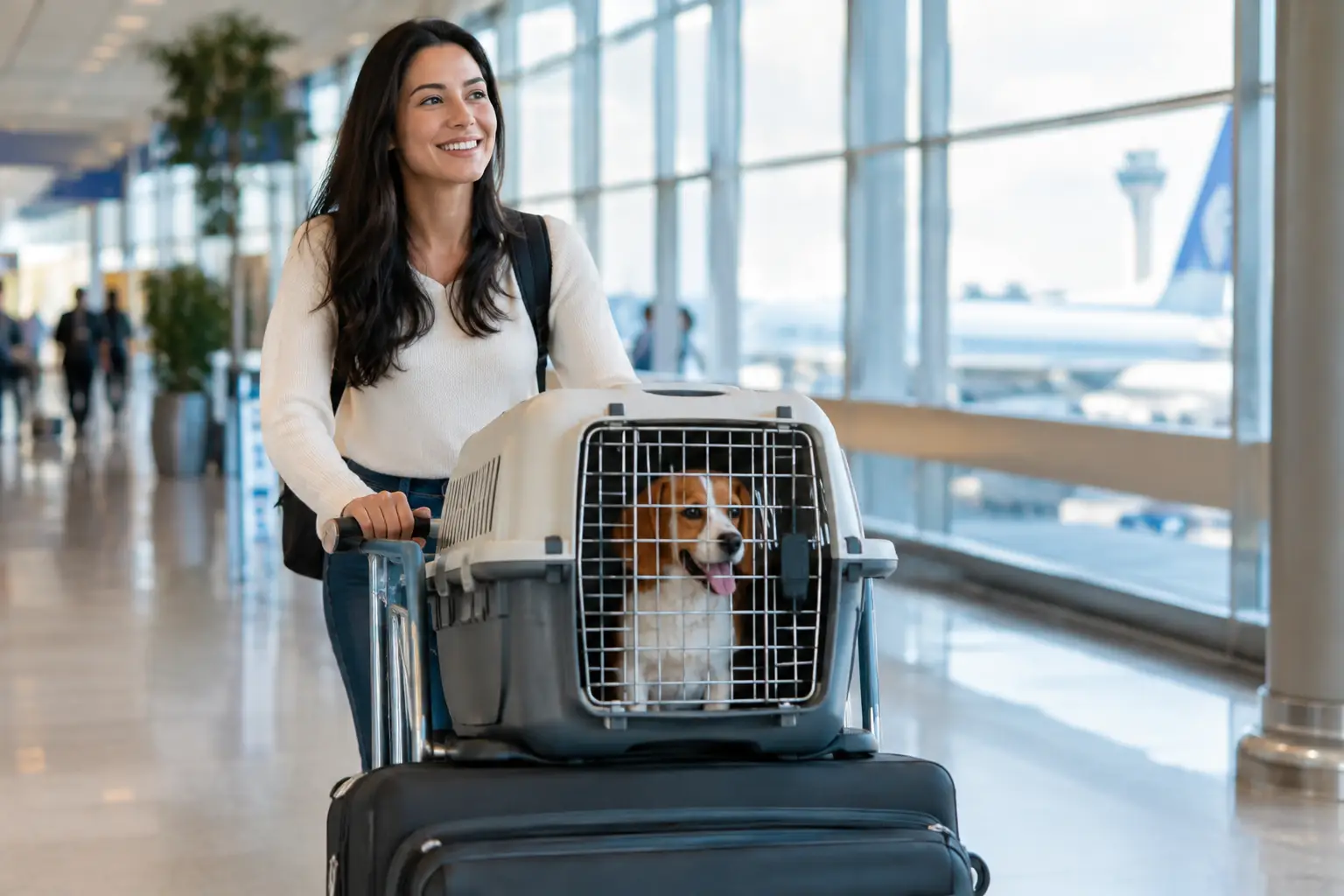

Your pet has landed, but the journey is not finished when the aircraft door opens. To navigate Panama airport pet arrivals confidently, you need the right documents, realistic timing, and a clear plan for airline release, veterinary review, and customs formalities. A prepared arrival turns a potentially stressful wait into the moment you have been working toward: bringing your pet safely home.
For most international arrivals, the process takes place at or through Tocumen International Airport in Panama City. The exact steps depend on whether your pet travels as accompanied baggage, in cabin, or as manifest cargo. Airline procedures, flight schedules, pet type, and the condition of the paperwork can all affect the experience.
What happens after your pet lands in Panama
Once the flight arrives, your pet is transferred from the aircraft to the appropriate airport handling area. A pet traveling in cabin may remain with you while you proceed through the required arrival controls. Pets traveling as checked baggage or cargo are handled through airline ground operations before they can be presented for inspection and released.
This is why timing matters. You may clear your own immigration formalities before your pet is available for collection, particularly when an animal travels as cargo. Do not assume that picking up a pet follows the same timing or location as collecting an ordinary suitcase. The airline or its ground handler should confirm where the pet will be released and what reference numbers or identification are required.
After the airline makes the pet available, the import process generally involves review by the relevant animal health authorities and customs. Officials may verify that the documents match the animal, including species, breed, sex, age, microchip details when applicable, vaccination records, and the health certificate. They may also assess the pet’s visible condition before approving entry.
A calm, organized owner helps, but the real foundation is paperwork prepared correctly before departure. Airport staff can facilitate an arrival, but they cannot correct missing certifications after the flight has landed.
Documents that should be ready before departure
Panama’s import requirements can change, and requirements may differ by species and country of origin. Dogs and cats often follow a different process from birds, reptiles, and other exotic animals. Your relocation plan should be based on the current rules that apply to your specific pet and itinerary, not a checklist saved from a previous move.
In most standard dog and cat cases, travelers should expect to need an import authorization or permit, an official veterinary health certificate issued within the required timeframe, current vaccination documentation, and airline booking details. Rabies documentation is especially important, while some origin countries or travel situations can require additional testing or approvals.
Keep original documents together in a clearly labeled folder, with copies available separately. Your paperwork should be easy to hand over without searching through luggage at the inspection desk. If the pet is traveling as cargo, make sure the person collecting the animal has the authority and identification needed for release.
Small inconsistencies can create large delays. A different microchip number, an outdated date, a certificate signed outside the permitted window, or a name that does not match the booking can lead to extra questions. In some cases, an authority may require corrective action, additional review, or quarantine measures. No family wants to learn about a documentation issue while a tired pet is waiting in an unfamiliar airport environment.
The health certificate is not just a form
An international health certificate connects the veterinary examination, the destination’s import rules, and the flight itself. It needs to be completed by the appropriate veterinarian and, where required, endorsed by the relevant government authority in the country of departure.
The timing window is often tight. Scheduling a veterinary appointment too early can make a certificate invalid by arrival day; scheduling it too late leaves little room to resolve an error. This is one of the most common areas where advance coordination protects the trip.
How your travel method changes the arrival process
There is no single airport process for every pet. The way your pet is booked affects where you go, who releases the animal, and how long the process may take.
A pet traveling in cabin is usually physically with its owner, subject to the airline’s rules. This can feel more reassuring, but it does not eliminate import requirements. You still need to present the animal and supporting documents as requested.
Pets traveling as accompanied baggage are generally carried in the aircraft hold but linked to the passenger’s booking. Depending on the airline and airport procedures, collection may occur through a designated baggage or animal handling point before the inspection process.
Manifest cargo is often the most structured option for larger pets, certain routes, unaccompanied moves, or cases where airline policies do not permit another travel method. It can also involve more release procedures, cargo terminal coordination, and paperwork checks. The added handling does not mean something is wrong. It means the pet is moving through a formal cargo chain that must be completed correctly.
For owners moving on a fixed relocation schedule, the best option depends on the pet’s size, temperament, origin, airline route, and arrival support. Convenience for the traveler should never be the only consideration. A practical routing that gives your pet safe handling and sufficient documentation time is usually the better choice.
Prepare for the first hours after release
Your pet may be thirsty, tired, or unsettled after a long journey. Once authorities release the animal, move to a quiet area as soon as possible. Offer water and a chance to relieve itself when it is safe and permitted to do so. Keep the first reunion calm, even if you are understandably emotional.
Have a secure collar or harness, leash, and familiar blanket ready. For cats and smaller animals, do not open the travel carrier in an uncontrolled area. Airports are busy, loud places, and an anxious pet can escape in seconds. A carrier should remain secured until you are inside a safe vehicle or enclosed space.
If you are continuing to another city, consider whether your pet needs a rest period before the next leg. Some animals do well with a carefully planned same-day transfer; others benefit from a quiet overnight stay, especially after a long international route. Age, health, weather, and the total travel duration all matter.
Common delays and how to avoid them
Airport delays are not always avoidable, but most preventable problems start before the travel date. Last-minute airline changes, incomplete forms, unclear shipment instructions, and unrealistic connection times can all put pressure on an already demanding day.
Give your pet’s arrival more time than you would give your own. Avoid scheduling an immediate domestic connection, property appointment, or long road journey based on the published landing time alone. Flights can arrive late, ground handling can take time, and government inspection is not something that should be rushed.
It is also wise to confirm procedures shortly before departure. Airlines may change their pet acceptance rules or cargo handover instructions, and public holidays can affect operating hours. A final review of documents and contacts helps ensure the person meeting your pet knows exactly where to go and what to expect.
When professional arrival support makes sense
Some families are comfortable handling a straightforward accompanied arrival. Others have a pet traveling separately, a complex route, a nontraditional species, or a move that leaves no room for errors. In those situations, professional coordination can remove the uncertainty from airport arrival.
Panama Pet Relocation can coordinate the moving pieces before the flight departs, including documentation guidance, airline routing, arrival handling, customs clearance support, and onward delivery planning. That means you are not trying to interpret airport instructions while also managing your own international move.
Professional support is particularly valuable when requirements involve rabies FAVN titer testing, birds or exotic animals, cargo arrivals, or travel through multiple countries. These cases require more than a standard checklist. They require a plan built around the animal, the route, and the authorities involved.
Your pet does not need a perfect airport day. They need a well-prepared one, with people who understand what comes next and a safe, quiet place waiting at the end of it.