

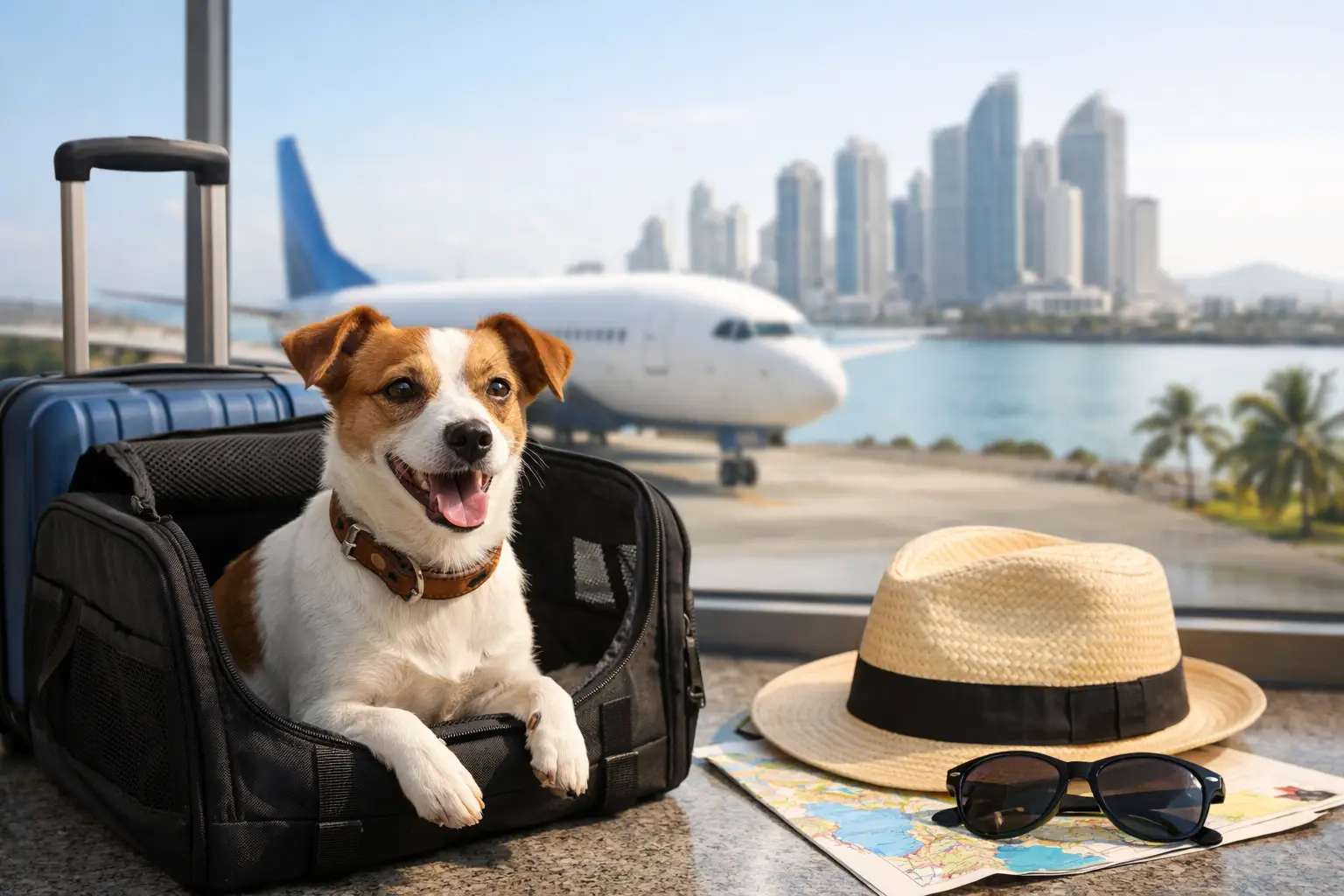

A lot of international moves feel manageable right up until it is time to bring dog to Panama. Then the real questions start. Which documents are required, how recent do vaccines need to be, what does the airline allow, and what happens if one detail is off when you land?
That anxiety is normal. Moving a dog across borders is not just about booking a flight. It is a coordinated process involving veterinary timing, airline restrictions, import compliance, and arrival logistics. When those pieces line up, the trip can be smooth. When they do not, delays and last-minute stress are much more likely.
What it really takes to bring dog to Panama
The biggest misconception is that pet travel is a single task. In reality, it is a sequence. Your dog may need updated vaccinations, a health certificate issued within a specific time window, and supporting import paperwork that matches exactly across every document.
Timing matters more than many owners expect. A vaccine given too late, a form signed outside the accepted period, or a mismatch between the microchip record and the health certificate can create problems at check-in or on arrival. Even when your dog is perfectly healthy and ready to travel, paperwork errors can stop the journey.
This is why planning early helps. Not because every case is difficult, but because international pet transport has little room for improvisation. The closer you get to departure, the fewer options you have to fix anything that is missing.
Start with your dog, not the flight
Before choosing an airline or a route, look at your dog honestly. Age, breed, size, medical history, and travel temperament all shape the safest plan.
A small dog may be eligible to travel in cabin on some routes, but that depends on the airline, carrier dimensions, and total travel time. A larger dog will usually travel as checked baggage or manifest cargo, and that changes the handling process. Brachycephalic breeds, senior dogs, and dogs with anxiety may need a more careful routing strategy, especially in hot weather or on itineraries with long layovers.
This is one of those areas where the right answer depends. The fastest route is not always the best route. A direct flight may reduce transit time, but if it is scheduled during the hottest part of the day or has restrictive pet handling rules, another option may be safer.
Documentation is where most problems begin
If you want to bring dog to Panama without surprises, document control is the center of the process. Owners often focus on vaccines and overlook consistency. The names, dates, identifying details, and signatures need to align from one record to the next.
Most international dog relocations involve a veterinary health certificate, proof of rabies vaccination, and import-related forms that must meet the destination country’s requirements. Some cases also involve additional testing or endorsements depending on the origin country and travel route.
The challenge is not only collecting the documents. It is making sure they are issued in the correct order and within the correct validity periods. A health certificate that is technically accurate but issued too early may no longer be valid by the time your dog arrives. A form that looks complete but is missing a required stamp can become a serious issue on departure day.
That is why many families benefit from having the paperwork reviewed before the airport is even discussed. It is much easier to correct a document at home than while standing at an airline counter with a dog, a moving deadline, and limited time.
Airline rules are stricter than many people realize
Pet owners are often surprised that airline approval is separate from import approval. A dog can be eligible to enter the country and still be denied boarding if the kennel does not meet airline standards, if the weather creates operational restrictions, or if the breed falls under a special policy.
Airlines also vary in how they manage pet reservations. Some limit the number of animals on each flight. Some do not transport pets on certain aircraft types. Some allow pets in cabin on one segment but not on another. If your itinerary includes connections, each leg has to work on its own.
Kennel requirements also deserve more attention than they usually get. The crate must be the right size, properly labeled, and airline compliant. Your dog needs enough room to stand, turn, and lie down comfortably. A crate that is too small, too large for the aircraft hold, or assembled incorrectly can create check-in problems very quickly.
Arrival is not the finish line until clearance is complete
Many owners assume that once the plane lands, the hard part is over. Sometimes it is. Sometimes arrival is where the most time-sensitive part begins.
Depending on the travel setup, your dog may need to go through document review, veterinary inspection, customs handling, or coordinated release procedures before going home. If the arrival process has not been prepared in advance, families can end up waiting at the airport while trying to sort out details that should have been handled before departure.
This matters even more after a long travel day. Dogs are tired, owners are tired, and airports are not the best place to solve administrative questions. A well-managed arrival plan reduces confusion and shortens the time between landing and getting your dog settled into a quiet, safe environment.
Common mistakes when families bring a dog to Panama
The most common mistake is starting too late. International pet travel often looks simpler online than it is in practice. By the time owners realize they need coordinated veterinary timing, import preparation, and airline approval, their preferred departure date may already be difficult to meet.
Another mistake is relying on general advice that does not fit the route. Rules can differ based on origin country, airline, aircraft, and whether the dog is traveling in cabin, as checked baggage, or as cargo. Good intentions do not replace route-specific planning.
A third problem is assuming every veterinarian handles travel documentation regularly. Many do an excellent job with routine care but may not work often with international export certificates or destination-specific requirements. That does not mean they cannot help. It means they may need support on timing, format, and compliance details.
Owners also underestimate how stressful travel day can be for the human side of the move. If you are also managing luggage, children, a housing transition, and immigration steps, adding pet logistics without support can be overwhelming very quickly.
When professional help makes the biggest difference
Not every dog relocation requires the same level of support. Some straightforward moves can be handled with careful preparation. Others involve enough moving parts that professional coordination becomes the safer choice.
That is especially true if your dog is traveling on a complex itinerary, requires special handling, is part of a household move with tight timing, or is entering on a route with strict documentation control. In those cases, full-service support is not just about convenience. It reduces the risk of mistakes that can affect your dog’s travel timeline and comfort.
A specialized pet relocation partner can coordinate veterinary timelines, review documents, confirm airline compliance, manage routing, and prepare arrival procedures so the process works as one plan instead of a series of disconnected tasks. For families relocating internationally, that kind of oversight often brings real peace of mind.
Panama Pet Relocation handles this type of coordination every day, which is exactly why many pet parents choose expert support instead of trying to piece everything together on their own.
How to prepare your dog for the trip itself
Compliance matters, but comfort matters too. A dog who is emotionally prepared for travel usually handles the experience better than one meeting a crate for the first time the day before departure.
Start crate familiarization early. Let your dog rest, eat treats, and spend calm time inside the kennel well before the trip. Keep the experience positive and gradual. If your dog associates the crate with safety rather than confinement, travel day tends to be less stressful.
Talk with your veterinarian about your dog’s general fitness for travel, especially if there are age-related concerns or health conditions. Avoid making assumptions about calming products or medications. What helps one dog may not be appropriate for another, and airline or veterinary guidance should always come first.
It also helps to think through the full door-to-door experience. Ground transport, check-in time, flight duration, climate exposure, and arrival handling all affect your dog’s day. The goal is not only to meet the rules. It is to move your dog as safely and calmly as possible.
Give yourself more time than you think you need
If you are planning to bring dog to Panama, the best first step is simple: start earlier than feels necessary. Early planning creates better flight options, more time for veterinary coordination, and a much lower chance of last-minute document problems.
Most pet travel issues are preventable when the process is managed in the right order. And when your dog is part of the family, that preparation is worth it. A calm, compliant arrival starts long before the airport – with a clear plan, careful timing, and the right support behind you.