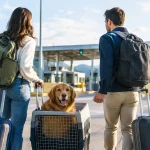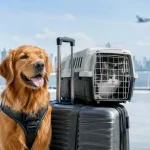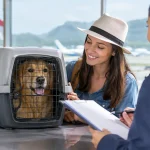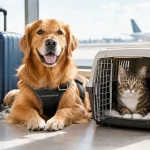


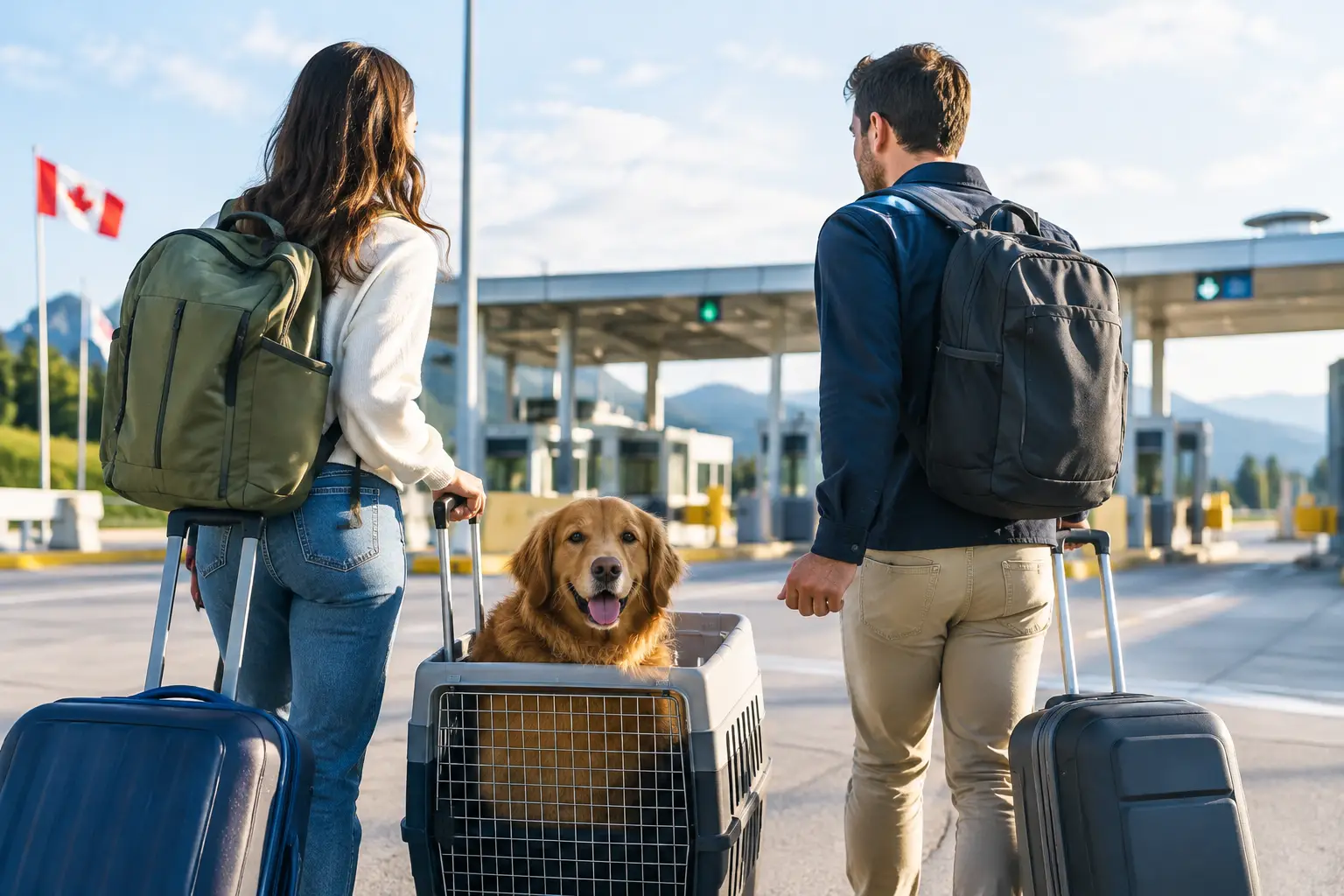

A pet’s travel day is only one part of an international move. The harder work often happens weeks or months earlier, when health records, government requirements, airline rules, and arrival plans must line up precisely. This cross-border pet transit guide explains what families should prepare so their dog, cat, bird, or other companion can travel safely and enter the destination country without avoidable delays.
Every route is different. A direct flight from the United States to Panama has different requirements and risks than a multi-stop journey through Central America, an export from Panama, or a move involving a destination with rabies titer rules. The best plan starts with the route, the species, and the pet’s individual needs, not a generic checklist.
Start With the Destination, Not the Flight
It is tempting to search for flights first. In international pet relocation, that can create problems. Airlines can only transport a pet if the required import conditions are met at the destination, and a booked itinerary may not leave enough time for required vaccines, treatments, lab work, or permit approvals.
Start by confirming the destination country’s current entry requirements. These commonly include a microchip, proof of current rabies vaccination, a veterinary health certificate, parasite treatments, import authorization, and original vaccination records. Some countries require endorsements by a government authority. Others require rabies FAVN titer testing, and the timing of that test can affect the entire move.
Requirements may also vary by species, breed, age, and country of origin. Puppies and kittens may be too young to meet rabies-related rules. Birds, reptiles, and exotic animals can require wildlife permits or additional health documentation. If your pet is transiting through another country, that stop may have its own rules even when your pet never leaves the airport.
The practical lesson is simple: do not treat the destination’s rules as paperwork to finish later. They determine the travel timeline.
Build a Travel Timeline Around Veterinary Milestones
A pet can look healthy and still be unable to travel because a document was issued too early, a vaccination was given too recently, or a lab result has not arrived. Timing is one of the most common reasons international pet travel becomes stressful.
Begin with a review of your pet’s existing records. Confirm that the microchip can be scanned and that the number appears consistently across every document. Check rabies vaccination dates, vaccine validity, and whether the vaccine was administered after the microchip, if the destination requires that sequence. Gather previous health certificates, lab reports, and medication records in one organized file.
Then work backward from your desired arrival date. Some health certificates are valid for only a short window before travel. Government endorsements may require processing time. If a rabies FAVN test is required, the blood draw, laboratory result, and waiting period must be scheduled well in advance. A last-minute change to an itinerary can sometimes affect the validity of carefully timed paperwork.
Your veterinarian plays an essential role, but international travel involves more than a standard wellness appointment. They need clear, current instructions for the destination and airline. Provide them with the required forms early so there is time to correct a discrepancy before departure day.
Keep originals, copies, and digital backups
Travel with the original documents required for entry, but do not rely on a single folder. Carry clear copies separately and save readable digital scans in a secure location. Include vaccination certificates, health certificates, permits, microchip information, airline confirmations, and the contact details for the person receiving your pet.
This does not replace original documents when an officer requests them. It does make it much easier to resolve a missing page, a misplaced attachment, or a question during a connection.
Choose an Airline Plan That Fits Your Pet
The right itinerary is not always the shortest one. A direct flight may reduce handling, but it may not operate on the date you need or accept your pet’s travel arrangement. A connection can be appropriate when it is planned carefully, with sufficient transfer time and confirmation that the airline can handle the pet through each segment.
Your pet may travel in the cabin, as checked baggage where available, or as manifested cargo. The appropriate option depends on the animal’s size, the route, airline policy, weather conditions, and the level of service needed. In-cabin travel can feel more reassuring for some families, but space is limited and airlines have strict carrier dimensions and pet limits. Cargo transport may be necessary for larger dogs, certain routes, or multiple pets, and it requires careful airline coordination.
The travel crate deserves the same attention as the ticket. It must meet airline specifications, give the pet room to stand, turn, and lie down naturally, and have secure ventilation and fasteners. Familiarizing your pet with the crate well before travel can reduce anxiety. Use positive, gradual practice rather than introducing the crate for the first time on moving day.
Avoid sedating a pet for air travel unless a veterinarian has specifically advised it and the airline permits it. Sedation can affect balance, breathing, and the ability to regulate body temperature at altitude. For an anxious pet, a veterinarian may recommend a different preparation plan that supports welfare without creating unnecessary travel risk.
Prepare for Customs and Arrival Before You Leave
Arrival is not simply a matter of collecting a pet and heading home. Customs and animal health officials may review documents, inspect the pet, collect fees, or require a formal release before the animal can leave the airport. Procedures vary by country, airport, and time of arrival.
For families moving to Panama, accurate import preparation can make the difference between a straightforward release and an avoidable airport delay. The same applies when exporting from Panama or coordinating movement through Guatemala, El Salvador, Honduras, Nicaragua, Colombia, and other destinations in the region. Local knowledge matters because airport procedures are not always explained fully in airline booking screens.
Confirm who will meet the pet, where the clearance will occur, and how your pet will travel from the airport to the final address. If you are arriving on a different flight, if your flight lands late, or if you are managing several family members and bags, arrange a clear handoff plan. A calm arrival depends on having transport, water, a leash or harness, and a quiet place for your pet to decompress.
Watch for route changes
Airlines can change aircraft, connections, or schedules. A change that seems minor for passengers may affect whether a pet can travel on the same service. Certain aircraft have cargo restrictions, some airports have limited animal-handling hours, and weather can limit pet acceptance.
Review your itinerary again shortly before departure and confirm that your pet’s booking remains attached to every flight segment. If the route changes, assess the impact on permits, certificate validity, connection handling, and destination arrival procedures before accepting the revised plan.
Make the Travel Day Easier on Your Pet
Keep departure day calm and predictable. Offer normal exercise appropriate for your pet, allow time for bathroom breaks, and follow your veterinarian’s feeding guidance. Many pets do better with a light meal well before travel rather than a large meal immediately before check-in. Water should be available, while crate water arrangements should comply with airline instructions.
Attach clear identification to the crate and keep a current ID tag on your pet. The crate label should include the pet’s name, your contact information, destination contact information, and itinerary details. Pack only airline-approved items inside the crate. Familiar scent items can be comforting when permitted, but loose toys or bedding may not be suitable for every animal or airline.
Arrive early. International pet check-in can take longer than passenger check-in because staff may need to inspect the crate and review documents. Rushing this stage raises stress for everyone, especially your pet.
When Professional Coordination Is Worth It
A do-it-yourself plan can work for a straightforward route with flexible timing, a healthy pet, and clearly understood requirements. It becomes much harder when travel involves multiple pets, cargo handling, a country-specific import permit, a FAVN titer timeline, an uncommon species, or a connection through another country.
Professional relocation support is especially valuable when a family is managing a home sale, visa process, children’s school transition, or a fixed work start date at the same time. A specialized coordinator can align veterinary documents, airline routing, customs clearance, and delivery plans while monitoring the details that are easy to miss. Panama Pet Relocation provides this hands-on support for families moving into, out of, or through the region, including complex international cases.
The goal is not merely to get a pet on a plane. It is to protect their welfare and give your family confidence that each requirement has been addressed before travel day arrives. Start early, keep the plan flexible, and treat every document as part of your pet’s safe passage to the next home.