

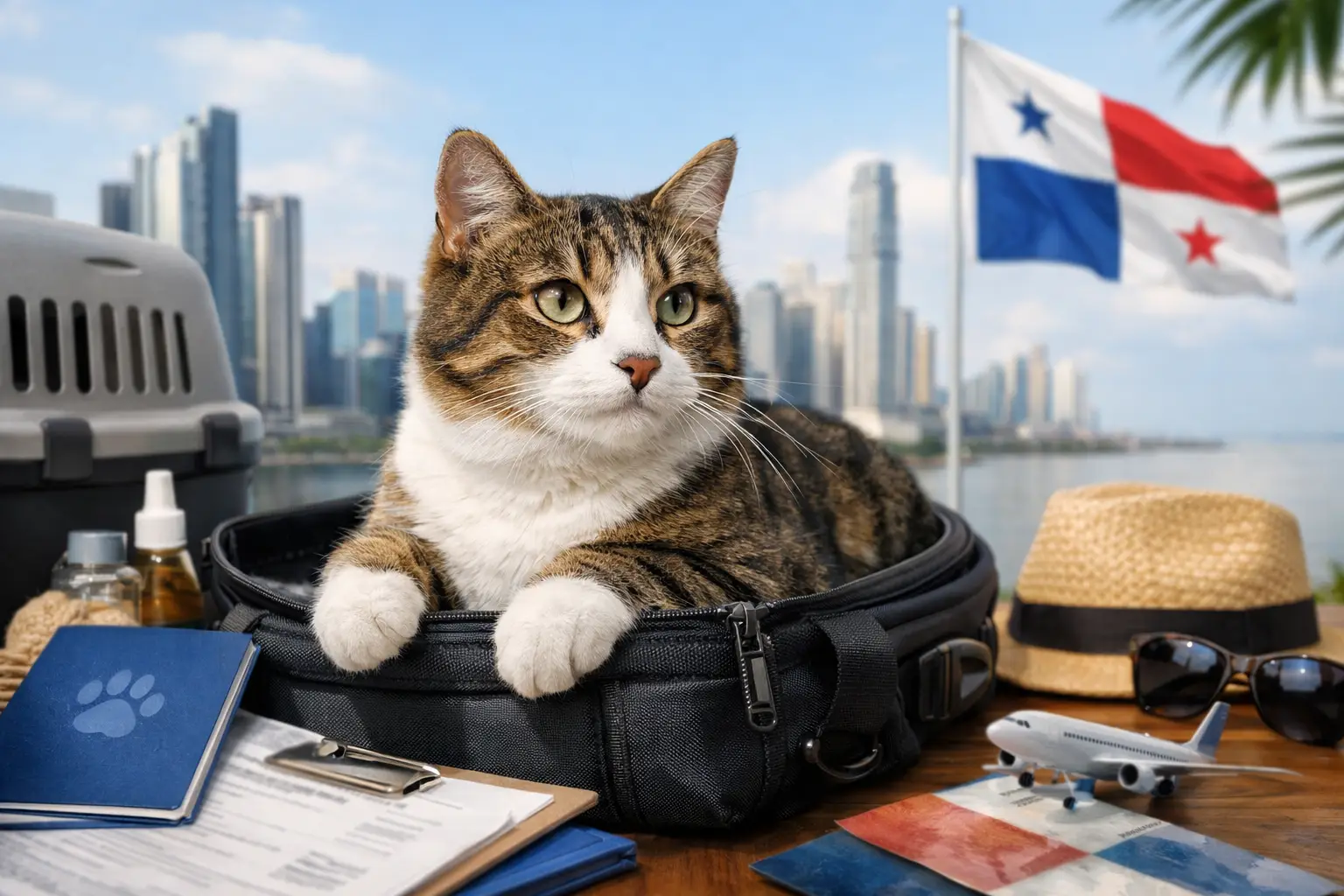

If your flight is booked and your cat is watching the suitcase from the hallway, this is the moment to get serious about paperwork. Cat import requirements Panama are very manageable, but they are not forgiving if a document is missing, a vaccine is out of date, or timing is off by a few days. That is where families get stressed – not because the process is impossible, but because international pet travel has very little room for guesswork.
For most pet owners, the hardest part is not the cat. It is coordinating veterinary records, health certificates, government endorsements, airline rules, and arrival procedures without letting one deadline derail the rest of the move. A calm, well-planned timeline makes all the difference.
Understanding cat import requirements Panama
Bringing a cat into Panama usually involves a combination of veterinary preparation, official documentation, and compliance checks before departure and on arrival. The core requirements often include a valid rabies vaccination, a veterinary health certificate, and supporting records that show your cat is healthy enough to travel and meets entry standards.
That sounds straightforward, but the details matter. The exact format of the documents, when they are issued, and whether they need government endorsement can affect whether your cat moves through customs smoothly or faces delays. Airline requirements can add another layer, especially if your cat is traveling as accompanied baggage, manifest cargo, or with a professional pet transport plan.
This is also why online advice can create problems. Pet import rules change, and older checklists often leave out timing windows or country-specific document steps. A family relocating from the US may need a different preparation path than someone transiting through another country first.
The documents your cat will usually need
Most international cat entries start with the same foundation: identification, vaccination records, and a current health certificate completed by a licensed veterinarian. Panama may also require that those documents be reviewed or endorsed by the relevant authority in the country of origin before travel.
Rabies vaccination is one of the first items to verify. If your cat’s rabies shot is too recent, expired, or not recorded correctly, that can create an immediate issue. Even when the vaccine itself is valid, mismatched dates, microchip inconsistencies, or handwritten corrections can raise questions at check-in or arrival.
The health certificate is just as important. This document generally confirms that your cat was examined by a veterinarian, appears free of infectious disease, and is fit to travel. What catches people off guard is how narrow the timing window can be. If the certificate is issued too early, it may no longer be valid by the time your cat lands.
Import permit needs can vary depending on the latest procedures and the type of move. In some cases, owners also need advance coordination for entry inspection, airport processing, or customs release. This is where professional planning becomes especially valuable, because the paperwork is only one part of the trip.
Timing is where many moves go wrong
The biggest mistake we see is treating pet travel documents like general moving paperwork. They are not something to collect whenever you have time. They need to be sequenced correctly.
A cat may need vaccinations updated weeks before departure, then a health exam within a shorter window, then official endorsement right before the flight. If you start too late, you may not have enough time to fix a missing vaccine or incomplete record. If you start too early, key documents may expire before travel.
This is especially true during busy relocation seasons, holidays, or when veterinary appointments are limited. Government endorsements can also take longer than expected. One delayed signature can affect the booking, the airport handoff, and your arrival schedule.
For families moving households, juggling school calendars, housing, shipping, and immigration matters, this is often the point where stress spikes. The process is easier when someone is tracking each deadline and checking that the documents line up with both Panama entry rules and the airline’s policies.
Health and travel prep beyond the paperwork
Meeting cat import requirements Panama is not only about getting forms approved. Your cat also needs to be ready for the trip itself.
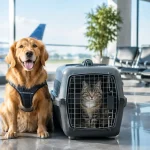
A healthy travel plan starts with the crate. The carrier needs to meet airline standards, fit your cat properly, and allow safe ventilation and movement. Cats that have never spent time in a travel crate often experience more stress on travel day, so early crate familiarization matters. A few short sessions at home can make the carrier feel less threatening.
Feeding and hydration plans should also be discussed with your veterinarian and transport coordinator. What works for a short direct flight may not work for a longer itinerary with layovers or weather delays. Senior cats, brachycephalic pets, or animals with medical conditions may need a more tailored plan.
Sedation is another area where owners need clear guidance. Many airlines and veterinarians advise against sedating pets for air travel except in very specific circumstances. A sedated animal can have a harder time regulating balance, breathing, and temperature. What sounds calming in theory may create more risk in practice.
Airport arrival and clearance in Panama
Arrival day is where good preparation pays off. If the veterinary records, endorsements, and entry paperwork are organized correctly, your cat’s release process is usually much smoother. If they are not, owners can end up trying to solve administrative problems after a long international flight.
The specifics of airport clearance can depend on how the cat traveled and what arrangements were made in advance. Some moves involve direct owner handling, while others require coordinated support for customs clearance, veterinary inspection, or onward delivery. That distinction matters because the arrival process is not only about eligibility to enter. It is also about how efficiently your cat gets from the airport to a safe, quiet place to settle.
For many families, this is the part they most want help with. After an international move, the last thing anyone wants is confusion at the cargo terminal or uncertainty about which office to visit next. Clear arrival planning reduces stress for both the owner and the cat.
Why DIY can work – and where it gets risky
Some pet owners do complete the process on their own, especially if they have a simple itinerary, flexible timing, and a veterinarian familiar with international health certificates. If your cat is healthy, your route is direct, and you are comfortable managing official paperwork, a self-managed move may be possible.
But there are real trade-offs. The rules are precise, the timing windows are narrow, and the consequences of an error are higher than most people expect. A typo on a certificate, a missing endorsement, or an airline booking made under the wrong travel category can create expensive delays and a difficult day for your pet.
That is why many relocating families prefer full-service support. A professional team can coordinate the veterinary timeline, check compliance, align the paperwork with airline requirements, and manage airport and customs steps that owners may never have handled before. For people balancing jobs, children, immigration appointments, or household shipping, that support is often the difference between a controlled move and a chaotic one.
How to make the process easier on your cat
Cats generally handle moves best when the humans around them are organized. Start early, keep copies of every veterinary and travel document, and confirm requirements before each step rather than assuming older information is still accurate.
It also helps to think about the move from your cat’s perspective. Maintain normal routines where possible. Use the same bedding or scent-marked blanket in the carrier if allowed. Plan for a quiet arrival space with food, water, litter, and familiar items already set up. Entry compliance gets your cat into the country, but recovery from the trip is what helps them feel safe again.
If your move involves multiple countries, unusual routing, a tight timeline, or a cat with medical needs, expert handling becomes even more valuable. Panama Pet Relocation regularly helps families manage those details so the process stays compliant and the animal’s welfare stays front and center.
The best moves are rarely the ones done at the last minute. They are the ones where every document, deadline, and travel detail has been thought through before the carrier door closes.