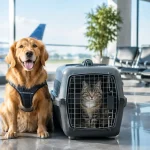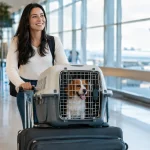


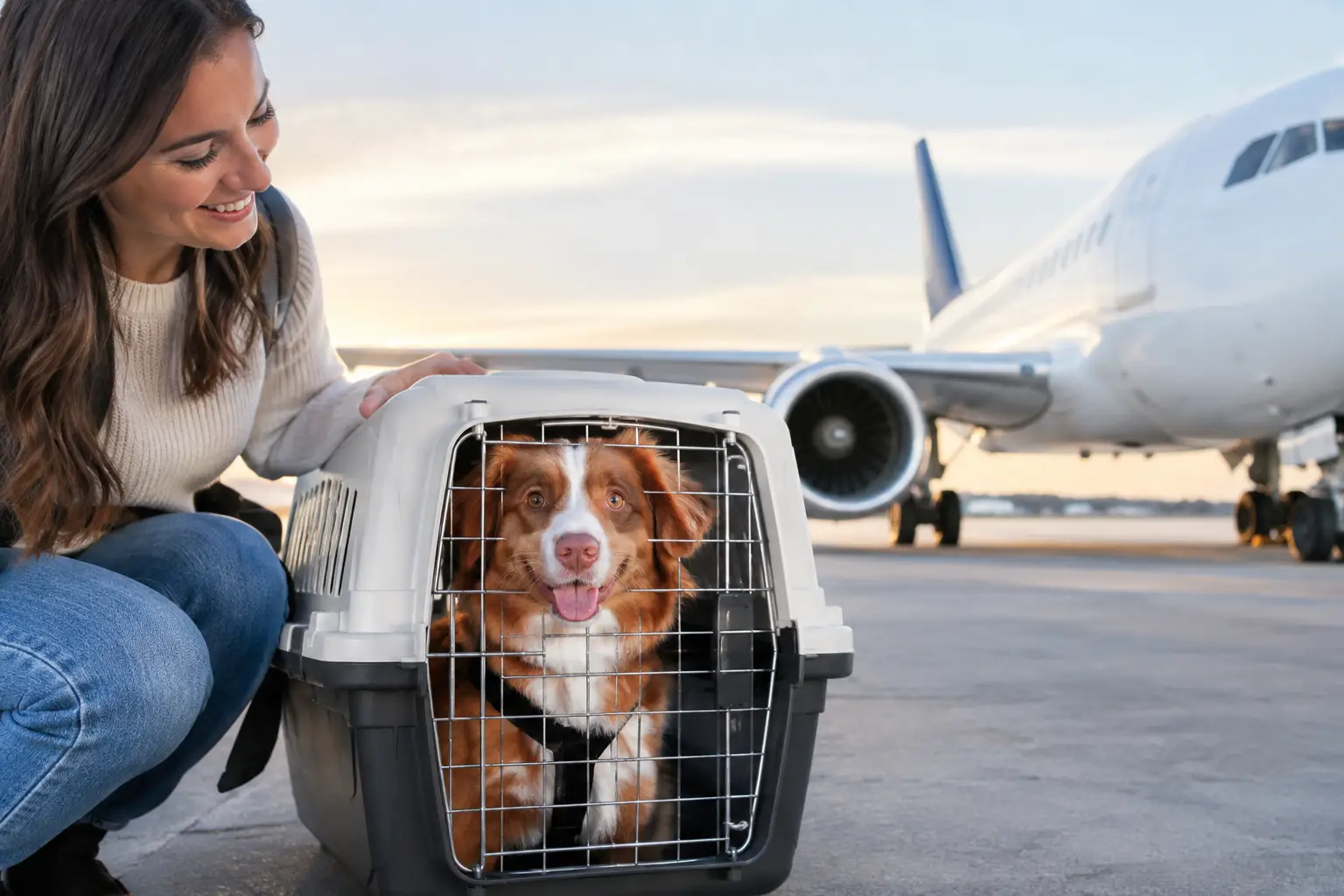

A pet’s flight is rarely just a flight. For a family moving internationally, the airline choice can affect whether a pet travels in cabin or as checked baggage, how long they wait during a connection, whether seasonal temperatures prevent travel, and even which airport routing is possible. That is why the best airlines for pet transport are not always the ones with the lowest fare or the most convenient schedule for people.
For international moves involving Panama, Central America, the United States, or a longer global itinerary, the right airline is the one that can safely and reliably accommodate your specific pet, route, travel date, crate, and entry requirements. A sound decision starts with the animal’s welfare and the full relocation plan – not a generic airline ranking.
What Makes an Airline a Good Choice for Pet Transport?
A pet-friendly airline needs more than a published pet policy. Policies can look reassuring online but may be limited by aircraft type, airport facilities, seasonal embargoes, connecting-country rules, or the availability of trained staff on a particular route.
The strongest options usually have established procedures for live-animal handling, clear crate standards, reliable cargo operations where cargo travel is required, and routes that minimize unnecessary transfers. They also communicate precise acceptance deadlines and documentation requirements before travel day. Clarity matters because last-minute surprises can lead to a denied check-in or a delayed departure.
For pets traveling internationally, direct routing is often preferable. Every additional stop adds handling, waiting time, and the possibility that a missed connection separates a pet from the planned itinerary. Still, a nonstop flight is not automatically the best answer. A slightly longer route may be safer if it uses better-equipped airports, avoids extreme temperatures, or provides a more realistic connection window for live-animal transfer.
Best Airlines for Pet Transport Depend on How Your Pet Travels
There is no universal list that works for every animal and every destination. The best airlines for pet transport depend first on the travel category available to your pet.
In-cabin travel
In-cabin travel can be a good fit for small dogs and cats that meet the airline’s size, weight, carrier, and route restrictions. The pet generally remains in an approved carrier beneath the seat for the flight. For many owners, being close to their pet provides welcome reassurance.
However, in-cabin travel has limits. Cabin space is limited, each flight may accept only a small number of pets, and international routes can have different rules than domestic ones. Some destinations, aircraft, or transit points do not permit in-cabin pets at all. A pet that is too large for the carrier cannot be made eligible by choosing a more accommodating seat or flight class.
Checked pet travel
Some airlines accept pets as checked baggage on eligible flights, with the pet traveling in a pressurized and temperature-controlled compartment. Availability varies widely and can change based on route, aircraft, weather, and operational policy.
This option may work well for a medium or large pet traveling with its owner, but it requires careful confirmation. The airline must accept the animal on every flight segment, and the crate must meet current requirements. Owners should also understand exactly where the pet is accepted, where the pet is collected, and whether the transfer is handled automatically during a connection.
Manifest cargo travel
For many international relocations, especially for larger dogs, unaccompanied pets, multiple animals, or complex routes, pets travel as manifest cargo. This is a specialized live-animal shipment, not ordinary freight.
A capable airline cargo operation will have defined live-animal acceptance procedures, trained personnel, appropriate holding areas, and documented handoffs. Cargo travel also allows a pet’s itinerary to be planned independently from the owner’s ticket, which can be useful when family travel dates and pet-ready flight dates do not match. The trade-off is that cargo booking and documentation require more advance coordination.
Look Beyond the Airline’s Pet Policy
A published policy is only the starting point. Before selecting a carrier, examine the operational details that shape your pet’s actual experience.
The aircraft matters. Not every aircraft has suitable conditions or accepts live animals in the same way. A route that appears available may use different aircraft on different days, and a last-minute aircraft substitution can change pet eligibility.
The airports matter too. A pet traveling through a major international hub may have access to dedicated animal handling facilities, while a smaller airport may have more limited procedures. Long layovers are not necessarily harmful when they are planned at an appropriate facility, but short connections can be risky when an animal must be transferred between terminals, carriers, or handling teams.
Seasonal conditions deserve close attention. Airlines may restrict pet travel during periods of high heat or cold at the origin, destination, or connection airport. These limits exist to protect animals during ground handling, when exposure can occur outside the climate-controlled portions of the journey. A policy that is suitable in one month may not be available in another.
Breed and health considerations can also change the answer. Brachycephalic, or short-nosed, breeds may face restrictions due to increased respiratory risk. Senior pets, very young animals, animals with medical conditions, and certain species may require additional veterinary review or a different travel plan. An airline that accepts one dog may not be suitable for another.
Routing Is Often More Important Than Brand
For international pet transport, route design is one of the most valuable safety decisions. A well-planned itinerary considers flight duration, connection time, airport procedures, temperature exposure, border requirements, and the availability of the pet’s travel category on every segment.
Avoid assuming that two tickets create one workable pet journey. If separate airlines or separate bookings are involved, the pet may need to be collected, cleared through customs, rechecked, or rebooked at the connection point. That can introduce entry permit requirements and substantial risk if there is not enough time.
The best routing may also be different for the pet and the family. An owner may choose the fastest personal itinerary, while the pet takes a carefully scheduled cargo route with fewer operational risks. This is not a sign that the pet is receiving less care. In some circumstances, it is the more controlled and humane choice.
Documentation Can Determine Whether a Flight Is Possible
Even an excellent airline cannot board a pet without the correct documents. International requirements may include an import permit, veterinary health certificate, vaccination records, parasite treatment records, microchip verification, export paperwork, and destination-specific testing. Some countries require documents within a narrow validity window.
Airline requirements and government requirements are separate. Meeting one does not guarantee compliance with the other. A pet can be accepted by an airline yet face difficulty on arrival if entry documentation is incomplete. The reverse can also happen: a pet may have all required government documents but be refused at check-in because the crate or booking does not meet airline rules.
For moves to Panama or through the region, timing is especially important. Veterinary appointments, government endorsements, flight booking deadlines, and arrival clearances must align. A document prepared too early may expire before travel, while one prepared too late may not be available for the scheduled flight.
Questions to Ask Before You Book
Before committing to an itinerary, confirm whether the pet is accepted on the specific flight number and date, not simply on the airline in general. Ask which travel category applies, what crate dimensions and construction are required, and whether any temperature or breed restrictions affect the booking.
You should also confirm how connections are handled, where the pet will be dropped off and collected, how early acceptance occurs, and what happens if a flight is delayed or rerouted. For cargo travel, ask about the live-animal handling process at both ends of the trip and whether the airline can support the planned routing through every transit point.
Written confirmation is valuable. Airline call centers, airport teams, and cargo departments may use different systems, so a verbal answer without a confirmed booking can leave room for problems on travel day.
When Professional Planning Adds Real Protection
International pet relocation is a coordination task involving airlines, veterinarians, government agencies, customs teams, and airport handlers. It is manageable when every detail lines up, but the consequences of one missed requirement can be stressful for both pets and their families.
Panama Pet Relocation helps families evaluate airline options in the context of the complete move, including routing, documentation, crate preparation, flight coordination, customs clearance, and onward delivery when needed. That support is particularly valuable when travel involves cargo, multiple countries, special breeds, or a tight relocation timeline.
The most reassuring airline plan is not the one that sounds best in an advertisement. It is the one that gives your pet a compliant crate, appropriate handling, a sensible route, and a prepared team at every point of the journey.