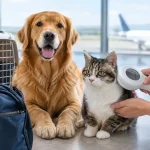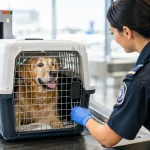




A pet can be ready for an international flight and still be unable to travel because one document was issued too early, signed by the wrong veterinarian, or missing a required endorsement. To coordinate pet health certificates successfully, families need to treat the certificate as the final step in a carefully timed chain of veterinary care, government requirements, and travel arrangements.
That timing is what makes international pet travel feel complicated. Health certificates are not simply proof that a pet looks healthy. They are destination-specific legal documents, often tied to vaccination records, microchip details, import permits, airline booking information, and a narrow travel window. A calm, successful move starts by organizing those requirements in the right order.
Start With the Destination, Not the Vet Appointment
It is natural to begin by booking a veterinary exam. However, the first question should be: what does the destination country require for this pet, on this route, on these travel dates?
Requirements can vary by country, species, age, origin country, and whether your pet is traveling directly or transiting through another location. A dog moving from the United States to Panama may need a different document sequence than a dog leaving Panama for the United States, Europe, or another Central American country. Cats, birds, and exotic animals can have entirely separate requirements.
Before scheduling the final health exam, confirm the current import conditions, whether an import permit is needed, the certificate format required, and whether a government authority must endorse the completed paperwork. Also confirm the airline’s own acceptance requirements. Airlines may ask for documents that are not part of the destination’s import rules, particularly when pets travel as checked baggage or air cargo.
A strong plan identifies the earliest deadline and works backward from the flight date. This prevents a common and stressful mistake: receiving a health certificate that is valid for entry but expires before the pet arrives because a flight was changed.
Build a Timeline Around Validity Windows
Most international health certificates have a limited validity period. Depending on the route, the final exam may need to occur within a few days or within a set number of days before departure. Some countries count calendar days, while others use a more specific calculation tied to arrival. Those details matter.
The certificate timeline should also account for previous steps. Rabies vaccination rules are a frequent example. A first rabies vaccine may require a waiting period before travel is permitted. If a rabies FAVN titer test is required, laboratory processing and any mandatory waiting period can add months to the plan. A vaccination given after a microchip was implanted may be acceptable for one destination but not another.
For that reason, avoid assuming that a routine annual wellness visit can double as a travel exam. The veterinarian may need destination-specific instructions, exact wording, laboratory results, parasite treatment dates, and the pet’s complete vaccination history before issuing the correct certificate.
Keep One Master Record
Create a single record for every travel-critical detail: the pet’s name as it appears on official documents, species, breed, sex, date of birth, microchip number, vaccine manufacturer and lot information, vaccination dates, test results, permit numbers, and flight itinerary.
Consistency is essential. A missing digit in a microchip number or a variation in an owner’s name can trigger questions at check-in, during customs clearance, or at the destination inspection point. If an address, flight date, or routing changes after documents are prepared, determine whether the certificate needs to be corrected or reissued before travel.
Keep clear copies of all records, but remember that some authorities require original signed documents. Digital copies are useful for review and backup, not always as a substitute for originals.
Choose the Right Veterinarian and Allow Time for Review
Not every veterinary practice handles international certificates regularly. Your family veterinarian may be an excellent clinician while having limited experience with the official language and endorsement process required for overseas travel. Ask early whether the practice can complete the destination’s certificate and whether it works with an accredited veterinarian when government endorsement is needed.
The final examination itself is only one part of the process. The veterinarian must review records, examine the pet, complete the certificate accurately, and provide any supporting documentation. In some cases, the paperwork then goes to a government office for endorsement. That office may have appointment requirements, shipping times, limited hours, or processing delays around holidays.
Do not leave document review until the final day. A careful review before submission can catch mismatched vaccine dates, a missing treatment entry, an outdated form, or an incomplete flight detail while there is still time to fix it.
Coordinate Health Certificates With the Flight Plan
A health certificate should fit the itinerary, not just the intended departure date. This becomes especially important when an itinerary includes overnight connections, a change from cabin travel to cargo transport, or a flight schedule adjustment.
If the certificate is valid for five days and the airline moves the departure by two days, the pet may still be covered. If the airline moves it by a week, the original paperwork may no longer work. Weather disruptions, seasonal embargoes, and limited pet capacity can also affect routing. This is why it is wise to have the travel plan substantially confirmed before issuing final documents, while preserving enough flexibility to respond if an airline changes the schedule.
Airline rules and country entry rules serve different purposes. The destination government determines whether the pet may enter the country. The airline determines whether it will accept the pet on that specific flight, in that type of carrier, under its operational conditions. Meeting one set of requirements does not automatically satisfy the other.
For complex routes, a professional relocation coordinator can align the certificate window with airline handling, import permits, customs clearance, and delivery arrangements. Panama Pet Relocation manages these moving parts for families who want experienced support from planning through arrival.
Common Problems That Delay Pet Travel
Most document problems are preventable, but they are rarely simple to solve at the airport. The most common issue is timing: a certificate is issued outside the allowed window or a required vaccination has not reached its valid date. The next is incomplete or inconsistent information, especially microchip numbers, vaccine records, owner details, and travel dates.
Another problem is using an old form found online or relying on advice meant for a different route. Entry conditions can change, and a certificate used successfully for a prior move may not meet current requirements. Transit countries can add restrictions as well, particularly if a long layover requires the pet to enter a controlled area or be transferred between carriers.
Owners should also be cautious about making last-minute changes to the itinerary. Changing the destination airport, adding a connection, or moving the travel date can affect permits, certificate validity, customs arrangements, and airline acceptance. Sometimes the change is manageable. Sometimes it means revisiting several documents.
A Practical Way to Coordinate Pet Health Certificates
The most reliable approach is to begin early, even if the flight is not booked yet. Start by confirming destination requirements and the pet’s existing health record. Then identify any long-lead steps, such as microchipping, rabies updates, titer testing, import permits, or specialty veterinary documentation.
Once the travel window is clearer, coordinate with the veterinarian and reserve time for the final exam and any required endorsement. Verify the airline’s pet policy against the planned itinerary. In the days before departure, review every document against the pet, the owner’s identification, and the confirmed flight details.
International pet travel asks a lot of one piece of paper. When each prior step is planned with care, the health certificate becomes what it should be: clear proof that your pet is prepared to travel safely, legally, and with far less uncertainty for the family waiting to welcome them home.