


A pet can arrive on the same flight as their family and still be unable to leave the airport immediately. Customs clearance is the point where travel plans meet government requirements, airline release procedures, and animal health controls. When paperwork is complete and the arrival plan is coordinated, this stage can be calm and predictable. When one document is missing or inconsistent, it can become the most stressful part of an international move.
For families relocating with a dog, cat, bird, or another animal, the goal is not simply getting a pet onto a plane. It is making sure the pet is legally admitted, safely released, and able to continue home without an unnecessary airport hold. That requires preparation well before departure.
What Customs Clearance Means for a Pet
Customs clearance is the formal process of declaring an arriving animal and obtaining authorization to bring it into a country. Depending on the destination, this may involve customs officers, agricultural authorities, veterinary officials, airport cargo personnel, and an airline’s ground handling team. Each party has a different responsibility, and a delay with any one of them can affect the release timeline.
For pets, officials generally need to confirm three things: the animal is correctly identified, the required health and import documents are valid, and the shipment matches what was declared. They may review an import permit, veterinary health certificate, vaccination record, airline airway bill, proof of ownership, and any destination-specific testing or endorsement documents.
The process varies by country, animal species, travel method, and even the airport of arrival. A dog traveling with its owner in cabin may follow a different path than a cat traveling as checked baggage or a pet shipped through an airline cargo terminal. Birds, exotic animals, and wildlife cases often require additional permits and more detailed review.
Why Pet Customs Clearance Can Take Longer Than Expected
Airport clearance does not operate on a single clock. Your flight may land on time, but documents still need to be presented, an animal may need to be brought from the aircraft or cargo facility, and officials may have limited inspection hours. Late-night arrivals, weekends, holidays, and flight disruptions can all change how quickly a pet is released.
Document inconsistencies are one of the most common causes of delay. A name spelled differently on the health certificate and airline booking, an incorrect microchip number, an expired vaccination, or a certificate issued outside the required time window can trigger additional questions. These details may look small at home, but they can matter greatly at the border.
Another issue is treating customs and veterinary clearance as the same step. They are connected, but they are not always handled by the same authority. A pet may be cleared by animal health officials but still need an airline release or customs declaration before leaving the facility. Good planning accounts for the full handoff, not only the inspection.
The Documents Officials May Review
Every journey has its own requirements, but a well-prepared pet travel file commonly includes the pet’s identification details, current vaccination information, an official health certificate, and import authorization when required. Airline documentation is also essential, particularly when the pet is traveling as cargo.
The key is consistency. The pet’s name, species, breed, sex, color, age, microchip number, owner information, and travel dates should align across documents. If a pet has completed rabies FAVN titer testing or requires a special permit, those records should be organized with the core travel paperwork rather than treated as an afterthought.
Original documents may be required at arrival, so a photo on a phone is not always enough. Families should also keep copies accessible in case an official, airline representative, or local veterinary authority requests them. The original paperwork should travel with the pet or the person authorized to collect the pet, according to the airline and destination process.
Health Certificates Have Strict Timing
A veterinary health certificate is not a general statement that a pet is healthy. It is a travel document that may need to be issued within a specific period before arrival, completed in a prescribed format, and endorsed by the appropriate authority. Booking a veterinary appointment too early can be just as problematic as booking one too late.
Because requirements can change, families should avoid relying on an old checklist from a previous move or advice intended for another country. A professional pet relocation plan confirms the current rules for the specific origin, destination, routing, species, and travel date.
Airline Records Must Match the Travel Plan
Airlines maintain their own records for live animals. If a pet is traveling in cargo, the airway bill and shipment details must accurately reflect the journey. If the routing changes, the pet’s documents and destination handling plan may need to change as well.
This is especially relevant for connections. A route that looks efficient for people can create complications for a pet if the transit airport has restrictive animal-handling rules, a long layover, or limited staff availability. The best route is not always the shortest route on a booking screen.
How to Prepare Before Your Pet Flies
The most reliable customs clearance starts weeks, and sometimes months, before departure. Begin by confirming the import requirements for the destination and any transit countries. Then work backward from the arrival date to schedule vaccinations, testing, permits, veterinary appointments, airline reservations, and document endorsements in the correct order.
A practical arrival plan should also identify who will meet the pet, where clearance will happen, and how the pet will travel from the airport to the final home. If the owner cannot be present, the person collecting the pet may need written authorization and the correct original paperwork. For cargo arrivals, it is wise to confirm the cargo facility’s procedures and operating hours before travel day.
Do not assume a pet will be released at the passenger terminal simply because the family arrives there. Some airlines process animals through a separate cargo facility, even when the pet traveled on the same flight. Knowing this in advance prevents families from waiting in the wrong place after a long journey.
What Happens on Arrival Day
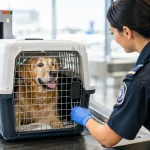
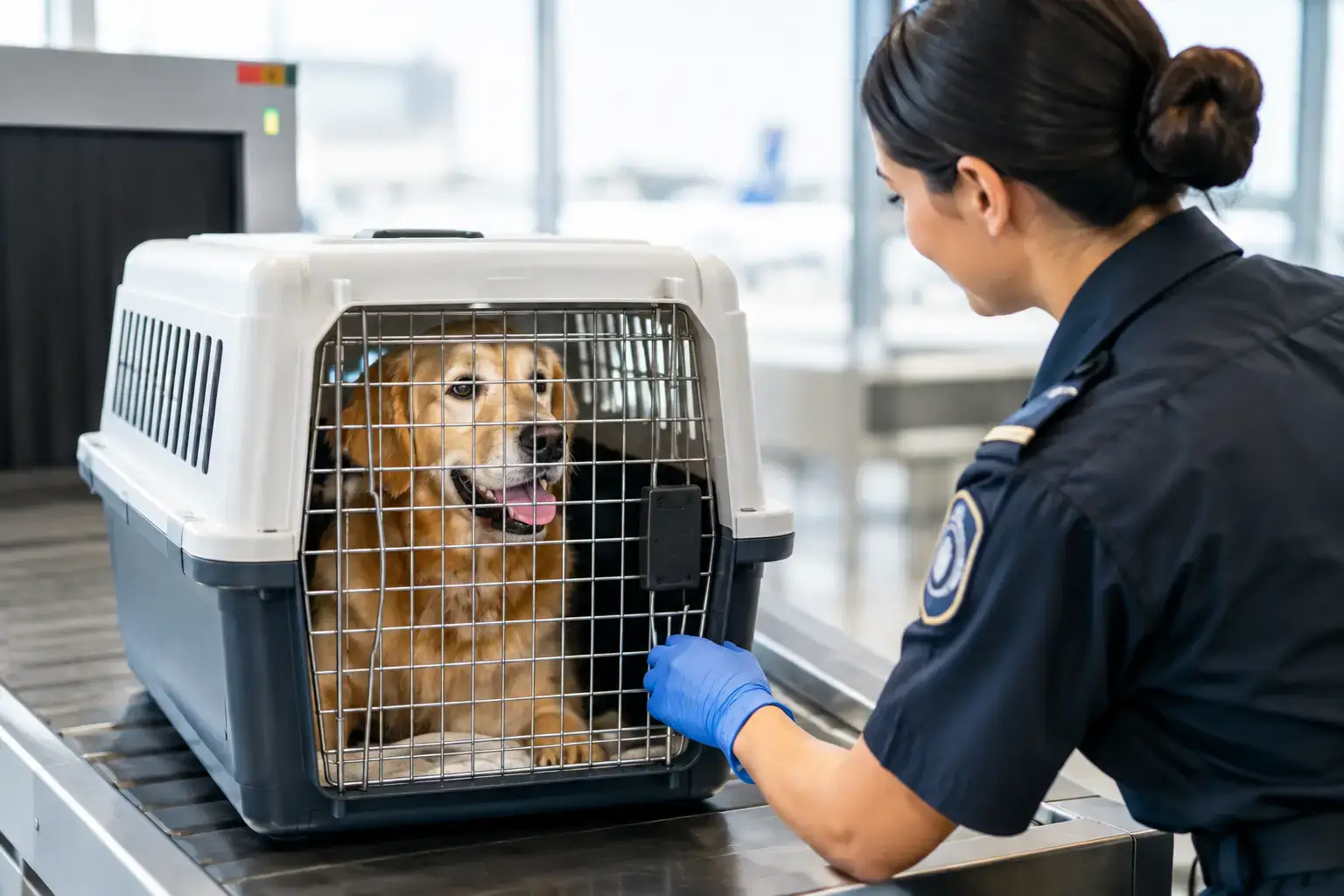
Once the aircraft lands, the pet is transferred to the designated handling area. Depending on the travel method, this may be the baggage area, a live-animal holding space, or an airline cargo warehouse. The airline or ground handler confirms the pet’s arrival and prepares the animal for release to the appropriate authorities.
An inspector may compare the pet to the documents, scan the microchip, review the health certificate, or conduct a visual health check. This is not necessarily a sign of a problem. It is part of the normal process of verifying that the animal meets entry conditions.
If officials have questions, staying calm and responsive helps. They may request clarification, an additional record, or confirmation from the issuing veterinarian or authority. Some issues can be resolved quickly, while others may require more time. The right response depends on the specific concern, which is why advance document review is so valuable.
After all required approvals are complete, the airline releases the pet to the owner or authorized agent. From there, the focus shifts to comfort: water, a quiet break, temperature-appropriate transport, and a direct trip to the new home whenever possible.
When Professional Support Makes a Difference
Families can manage some pet moves independently, particularly on straightforward routes. But the trade-off is that they assume responsibility for interpreting regulations, sequencing documents, coordinating multiple parties, and solving problems from a distance. That can be difficult when a family is also packing a home, arranging visas, and managing their own travel.
Professional support is particularly helpful for moves involving Panama, Central America, cargo travel, tight timelines, complex routes, multiple pets, birds, exotic animals, or rabies titer requirements. A relocation specialist can review the travel plan early, coordinate veterinary documentation, communicate with airline and airport teams, and arrange arrival assistance and home delivery where appropriate.
Panama Pet Relocation approaches clearance as part of a complete pet journey, not a last-minute airport task. That means preparing the paperwork, routing, handling plan, and arrival logistics together, with the pet’s welfare at the center of every decision.
Your pet does not understand import permits or airport procedures. They understand familiar voices, careful handling, and the relief of reaching home. Giving customs clearance the attention it deserves helps protect that final, important moment.