

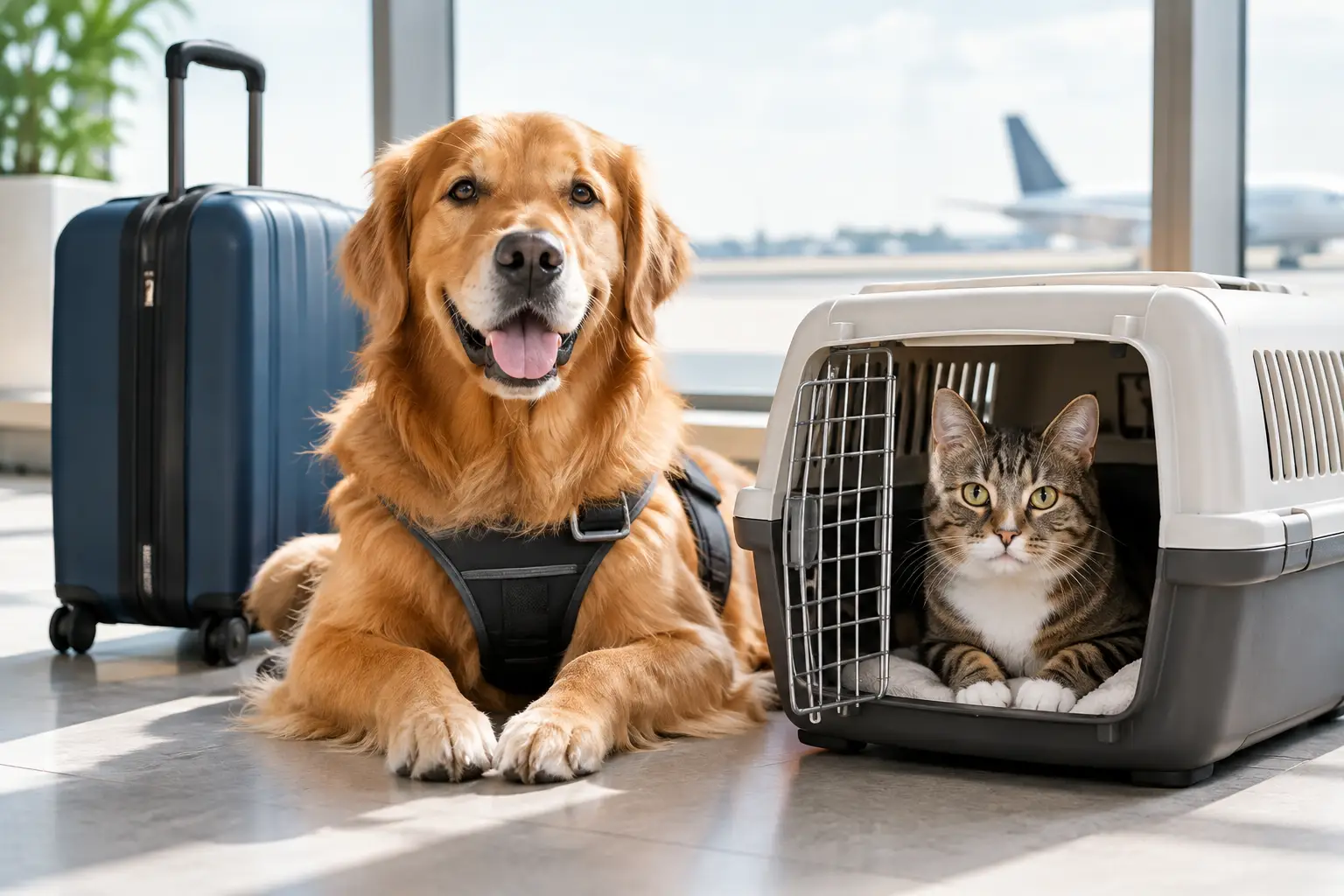

A new job, retirement plan, or family move can come with a difficult question: how do you get your pet there safely without missing a document, flight rule, or entry deadline? Pet relocation options range from managing the trip yourself to choosing a fully coordinated door-to-door service. The right choice depends on your pet’s needs, your route, the destination’s import rules, and how much responsibility you can realistically take on during an already demanding move.
International pet travel is not simply booking a ticket and buying a crate. A single journey may require veterinary appointments, vaccinations, government endorsements, airline-approved travel arrangements, customs clearance, and carefully timed paperwork. When Panama or another Central American country is involved, local knowledge can make a meaningful difference.
Understanding Your Pet Relocation Options
Most international moves fall into one of three approaches: owner-managed travel, partial professional support, or full-service relocation. Each can work well in the right circumstances. The key is to select an approach that protects your pet’s welfare while meeting every requirement for the countries and airlines involved.
Owner-managed pet travel
Some families choose to manage the relocation themselves. This usually means researching entry requirements, scheduling veterinary care, obtaining health certificates, confirming airline policies, selecting an appropriate travel crate, and handling airport check-in and customs procedures.
This option can be suitable for a straightforward route when an owner has flexibility, strong attention to detail, and a pet that is eligible to travel in the cabin. It also gives you direct control over decisions throughout the process.
The trade-off is that you become responsible for every deadline and detail. International rules can differ by destination, country of origin, airline, species, breed, and even connecting airport. A document that is issued too early, a vaccination that is not valid for the required time period, or an airline restriction discovered late can disrupt the entire move. Owner-managed travel also becomes more complicated when pets travel separately from their family, have a connection, or need entry clearance on arrival.
Partial relocation support
Partial support is a practical middle ground for pet parents who want help with the most technical parts of the journey but still plan to travel with their animal. A professional may assist with import permits, export documents, veterinary coordination, airline routing, or customs guidance while the owner remains responsible for specific portions of the trip.
This approach can be especially helpful when moving a dog or cat into Panama, where documentation and timing must align before the pet reaches the airport. It is also useful for families comfortable handling their pet on travel day but uncertain about permits, official certificates, or destination-specific requirements.
Partial assistance requires clear communication about who owns each task. Before the process begins, confirm whether your provider will arrange the airline booking, review the crate, coordinate the veterinarian, prepare documents for endorsement, or meet the pet on arrival. A well-defined plan prevents duplicated work and missed responsibilities.
Full-service pet relocation
Full-service relocation is designed for families who need an experienced team to manage the process from beginning to end. Depending on the route and your pet’s requirements, this can include relocation planning, veterinary and vaccination coordination, import and export paperwork, airline reservations, airport handling, customs clearance, and delivery to the final home.
For many international moves, full-service support provides more than convenience. It reduces the risk of avoidable errors at the points where travel plans most often become stressful: documentation review, airline acceptance, departure procedures, connections, and arrival clearance. It is particularly valuable for pets traveling as cargo, moves involving several animals, complex international routes, or households working against a fixed relocation date.
A high-touch provider can also coordinate specialized needs, including in-cabin concierge service, rabies FAVN titer testing support, and travel arrangements for birds, exotic animals, or wildlife cases. These journeys require a more individualized plan than a standard dog or cat relocation.
Choosing Between Cabin, Checked, and Cargo Travel
Air travel is often the largest decision within your pet relocation plan. The best option is not always the one that seems simplest at first glance. Airline rules, pet size, route availability, temperature restrictions, and destination requirements all affect what is possible.
In-cabin travel
In-cabin travel allows an eligible small pet to remain with the passenger in an airline-approved carrier placed beneath the seat. For pets that meet size and airline requirements, this can feel reassuring because the owner remains nearby throughout the flight.
However, cabin space is limited, airlines restrict the number of animals per flight, and not every international route permits pets in the cabin. A pet may also need to remain inside the carrier for long periods, including airport processing and connections. Confirm these rules early, particularly during peak travel seasons.
Checked pet travel
Some airlines accept pets in the aircraft’s temperature-controlled baggage area on certain routes. This is not available everywhere, and policies can change based on weather, aircraft type, and operational conditions. It may be an option for pets that do not qualify for cabin travel but are traveling with their owner.
The important consideration is not the label used by the airline, but the complete handling process. Ask how the pet is accepted, where the animal waits before loading, what happens during a connection, and whether the destination accepts pets through that travel category.
Cargo travel
Cargo travel is often required when a pet is too large for cabin travel, travels without its owner, is moving on a route that does not permit checked pets, or is part of a commercial or more complex relocation. Professionally managed cargo arrangements can offer structured handling and necessary documentation support, but they require careful coordination.
Cargo travel should be planned around the pet, not just the flight schedule. The crate must meet current airline standards, the flight routing should avoid unnecessary connections where possible, and the paperwork must be correct before the animal is delivered to the airline. A qualified relocation coordinator can assess the route and identify the most appropriate option for your pet.
What Should Shape Your Decision
The right plan begins with your pet’s health, temperament, size, and travel history. A calm small cat may be a good candidate for in-cabin travel, while a large dog may require cargo arrangements and a custom travel schedule. Older pets, short-nosed breeds, pets with medical conditions, and anxious animals may need additional veterinary input before travel is confirmed.
Your destination matters just as much. Some countries require import permits, parasite treatments, specific vaccine records, microchip verification, or laboratory testing completed months before departure. Others have strict rules about the time window for health certificates. If you are relocating through more than one country, transit requirements may also apply.
Your personal schedule is another factor. If you are selling a home, starting work immediately, traveling with children, or arriving before your pet, full-service coordination can relieve pressure at a time when you have little room for administrative mistakes. If you have ample time and a simple route, owner-managed travel may be reasonable with careful preparation.
Questions to Ask Before You Commit
Before selecting a relocation method or flight, ask whether the destination requirements have been verified for your specific pet and travel date. Confirm which party is responsible for each document, how airline restrictions will be checked, and what the arrival process will look like.
You should also ask about contingency planning. Flights change, weather affects animal travel, and officials may request additional information. A reliable plan includes clear communication, realistic timing, and a knowledgeable contact who can respond if conditions shift.
Panama Pet Relocation supports families moving into, out of, and through the region by coordinating the details that make international pet travel feel overwhelming. The goal is not simply to move an animal from one airport to another, but to provide a safe, compliant journey that respects the bond you share with your pet.
The best pet relocation option is the one that gives your animal a carefully prepared route, appropriate handling, and a calm arrival at the place you are about to call home.