

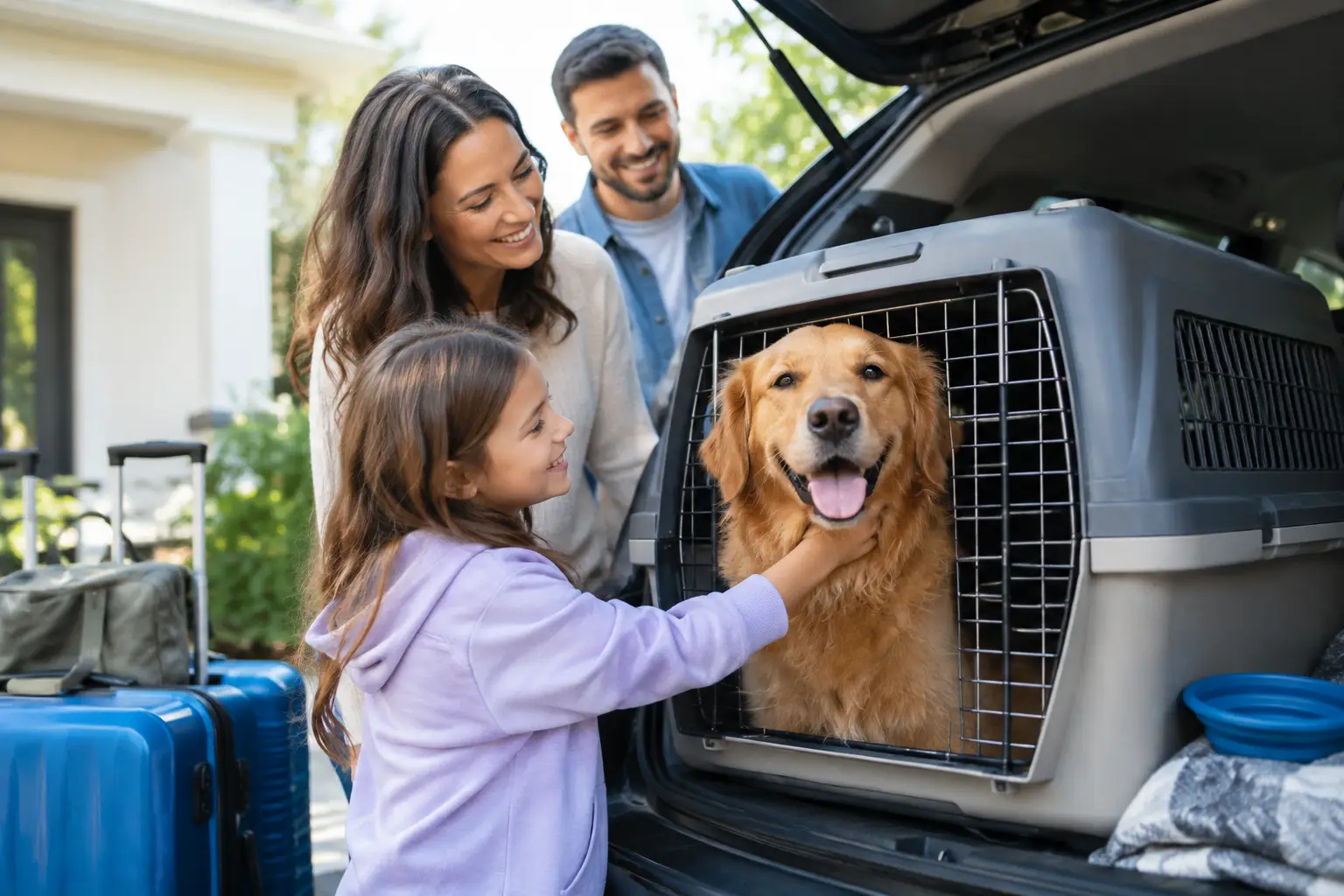

A family move can be scheduled down to the hour, yet family pet relocation often becomes the part that keeps people awake at night. Your dog or cat is not a suitcase with a label. They have medical needs, travel limits, routines, and a relationship with you that makes every decision feel personal.
The good news is that international pet travel does not have to be a last-minute scramble. With enough lead time, accurate documentation, and a plan built around your pet’s welfare, your family can arrive ready to settle in together. The goal is not simply getting a pet on a flight. It is making sure they can enter the destination country legally, travel safely, and reunite with you without an avoidable delay.
Why family pet relocation needs its own plan
International moves involve multiple timelines: housing, visas, flights, school enrollment, household goods, and work obligations. Pet travel has a separate timeline that can begin months before departure. Import permits, vaccination waiting periods, health certificates, airline reservations, and destination inspections may all have different deadlines.
A small mistake can create a major problem. A health certificate issued too early, a missing vaccine record, or a crate that does not meet airline requirements may lead to a denied booking, a delayed flight, additional inspection, or quarantine requirements. Rules also change, and the same destination may apply different procedures depending on the animal’s species, origin country, routing, and vaccination history.
That is why a pet relocation plan should be treated as a core part of the move rather than an errand to handle near departure. Families moving to Panama, leaving Panama, or connecting through Central America often need to coordinate regulations in more than one country, particularly when flights do not operate on a direct route.
Start with your pet’s travel profile
Before choosing an airline or booking your own ticket, gather the details that shape the relocation process. Your pet’s species, breed, age, weight, microchip status, vaccination record, health history, and country of origin all matter. So does the destination’s climate and the time of year you plan to travel.
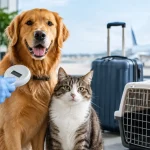
For most dogs and cats, the first practical step is confirming that the microchip and vaccination documents match exactly. If a rabies titer test is required, such as a FAVN test for certain destinations or routes, laboratory timing can add meaningful lead time. Starting early provides options. Waiting can turn a manageable requirement into a reason to postpone travel.
Be candid about your pet’s temperament and health. An anxious dog, a senior cat, a flat-faced breed, or an animal with a chronic condition may require a different routing strategy than a young, healthy pet accustomed to new environments. Airline availability is not the only consideration. The safest choice may involve a different departure date, a more suitable connection, or an in-cabin option when appropriate and permitted.
Travel crates are part of the safety plan
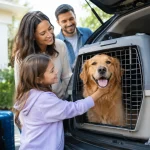
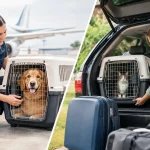
A properly sized airline-approved crate gives a pet room to stand, turn around, and lie down comfortably. It should be secure, well ventilated, and labeled correctly. Crate training well before travel is one of the kindest things a family can do for a pet facing a long journey.
Avoid introducing the crate only on travel day. Instead, place it at home with familiar bedding and allow your pet to enter voluntarily. Short, calm practice sessions help make the crate feel like a safe resting place rather than a signal that something frightening is about to happen.
Build the paperwork timeline backward
Every international relocation should begin with the arrival requirements, then work backward to determine when each document, appointment, and endorsement must occur. Many pet parents assume a veterinarian can issue everything in one visit. In reality, some documents require specific wording, official endorsements, laboratory results, or a certificate issued within a narrow window before arrival.
A practical timeline usually includes confirmation of entry requirements, review of vaccine records, any required testing, veterinary examinations, export paperwork, airline booking, and customs or inspection arrangements at the destination. The order matters. For example, a required microchip may need to be in place before a qualifying rabies vaccination is given.
Keep original records organized and accessible, but do not rely on a folder alone. Names, dates, microchip numbers, and addresses should be checked across every document. A minor spelling difference may be easy to overlook at home and difficult to correct once a certificate is issued.
For moves involving Panama, professional coordination can be especially valuable because entry procedures may involve health documentation, government approvals, airport logistics, and customs clearance. A relocation specialist can manage the sequence and verify requirements against the specific travel plan rather than relying on general advice found online.
Choose the route for your pet, not just your itinerary
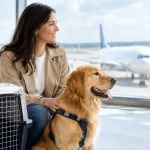
The fastest route for people is not always the best route for an animal. A short connection can be risky if a delay leaves no time for proper transfer. An overnight layover may require additional entry permissions or care arrangements. Seasonal heat restrictions can affect flights, especially when pets travel in the aircraft hold.
When evaluating routing, consider the total journey from your front door to your pet’s final destination. That includes airport check-in, ground transfers, connection handling, customs processing, and delivery to your new home. A slightly longer itinerary with reliable ground support may be less stressful than a tight itinerary with several points of failure.
Airline rules differ widely. Some accept pets only as checked baggage on limited routes, while others require cargo arrangements or permit small pets in the cabin under specific conditions. Availability can be limited, and pet space is not guaranteed simply because a passenger seat is available. This is one reason to secure the pet’s travel arrangement as early as possible.
Protect routine before and after the flight
The days around departure should be calm and predictable. Maintain regular meals, walks, and sleep as much as possible. Give your veterinarian an accurate picture of your pet’s behavior and medical needs, but do not assume sedation is the answer to travel anxiety. Sedation can create health and safety concerns at altitude and is generally not appropriate unless specifically advised by a veterinarian for your pet’s situation.
On travel day, provide exercise appropriate to your pet, allow extra time at every stage, and follow feeding guidance from your veterinary and transport team. Familiar-smelling bedding can offer comfort, provided it is allowed in the crate and does not interfere with safety requirements.
Arrival deserves just as much attention as departure. Pets may be tired, thirsty, and disoriented after a long trip. A calm handoff, access to water, a quiet place to decompress, and a gentle return to routine can make the first 24 hours easier. If you are moving into temporary housing, confirm in advance that pets are accepted and that there is a safe place for walks and bathroom breaks.
When professional support makes the difference
Some families can manage a straightforward domestic move independently. International family pet relocation is different because the consequences of an administrative error can affect an animal’s welfare and a family’s entire move. Professional support is particularly helpful when a route involves multiple countries, strict import procedures, time-sensitive certificates, large breeds, in-cabin coordination, birds, exotic animals, or a move scheduled on a tight timeline.
A full-service relocation partner can coordinate veterinary requirements, import and export documentation, airline routing, customs clearance, and final delivery while keeping the family informed. That does not remove every variable from international travel, but it replaces guesswork with a clear plan and an experienced point of contact.
Panama Pet Relocation approaches each move as an individual case because no two pets, routes, or destination requirements are exactly alike. For families, that personalized planning creates something more valuable than convenience: confidence that the details protecting their pet have been handled with care.
Your pet may not understand why the boxes are packed or why the familiar routine is changing. What they will recognize is your presence, your calm, and the safety of arriving where the family is together again.