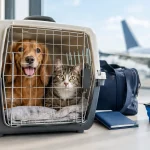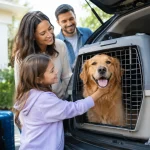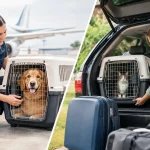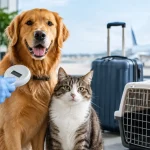


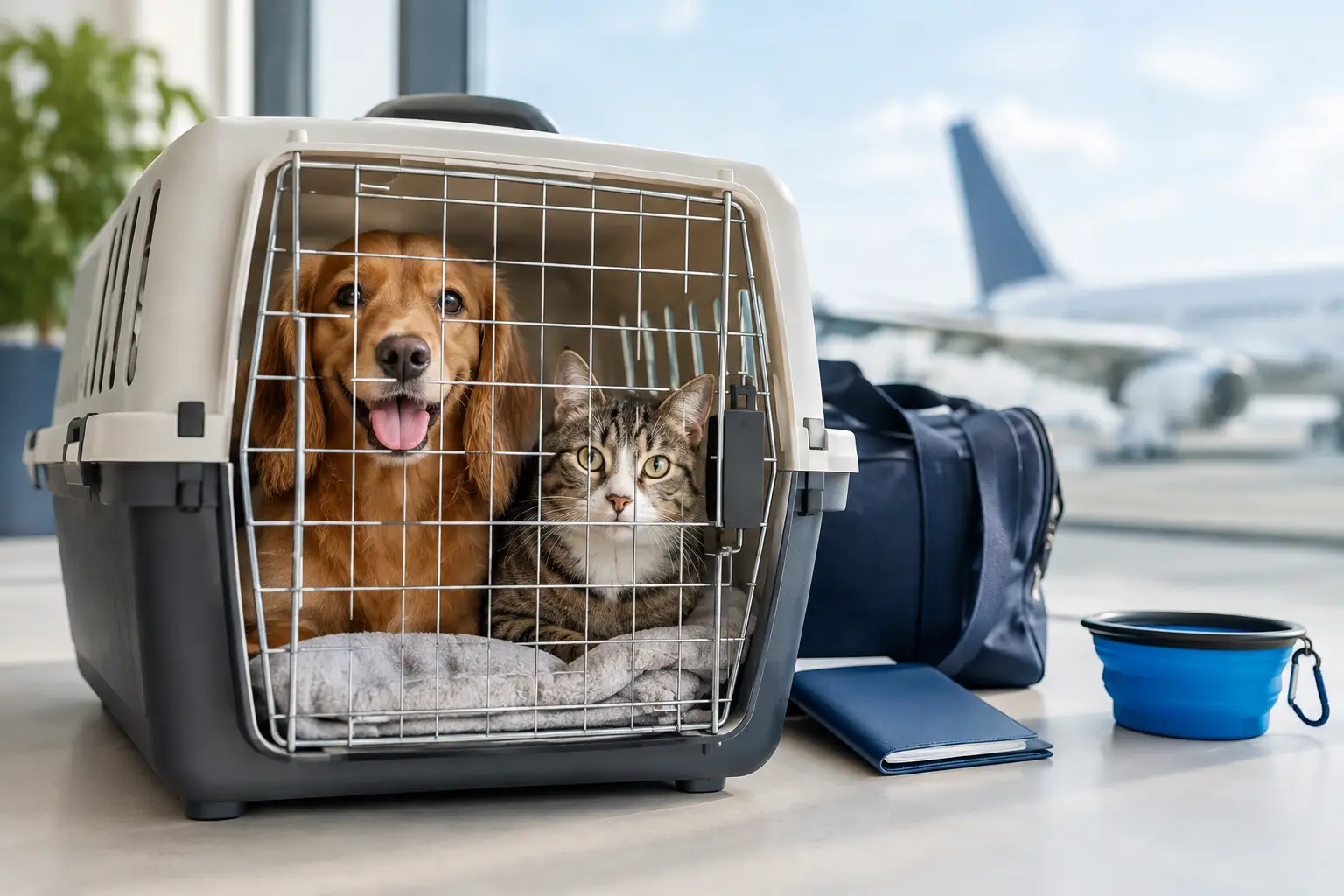

Your pet’s journey is not over when the aircraft lands. After a long flight, an unfamiliar airport, and customs processing, the final trip to a calm, prepared home matters just as much. When you arrange international pet home delivery, you are coordinating a carefully timed handoff between airline staff, veterinary authorities, customs officials, ground transport, and the person welcoming your pet at the door.
For families relocating to or from Panama, that last mile can be the difference between a managed arrival and an exhausting, uncertain day. A professional plan reduces waiting time, protects compliance, and gives your dog, cat, bird, or other animal a quieter transition after travel.
What International Pet Home Delivery Includes
International pet home delivery is more than a driver meeting a flight. It is the organized transfer of a pet from the arrival terminal or approved inspection point to the final residence, with the right documentation, release procedures, vehicle arrangements, and communication already in place.
The exact service depends on the country, airport, species, airline, and whether the pet is traveling as checked baggage, in cargo, or with an in-cabin escort. In some cases, the pet may be released quickly after a document review. In others, customs clearance, an agricultural inspection, a veterinary review, or an airport cargo release must happen first.
A reliable provider plans for these differences before the flight departs. They confirm who is permitted to collect the pet, where collection occurs, what original documents are required, and how long the process may take. This preparation is especially valuable when a family is arriving on the same flight and must manage immigration, luggage, children, and their own ground transportation.
Start Planning Before You Book the Flight
Home delivery works best when it is built into the relocation plan early, not added a few days before departure. Airline availability, temperature restrictions, import permits, health certificate timing, and destination entry rules all influence the arrival schedule.
Begin by confirming the destination country’s entry requirements. Many moves require a current rabies vaccination, a veterinary health certificate issued within a specific timeframe, parasite treatments, and an import permit or advance notification. Some destinations have additional requirements, such as rabies FAVN titer testing, microchip verification, or species-specific permits.
The following details should be confirmed before travel arrangements are finalized:
- The pet’s travel method and the airline’s check-in, acceptance, and collection procedures
- Required import, export, veterinary, and customs documents
- The arrival airport, flight number, local landing time, and any connection risks
- The final delivery address, access instructions, and a reachable local contact
- Whether the destination has restricted delivery hours, inspections, or holiday closures
Timing is not simply about convenience. A flight arriving late in the evening may mean that cargo offices, veterinary inspectors, or customs teams have limited availability. A direct daytime flight can sometimes make release and delivery simpler, but the best routing depends on the pet, the origin, and the rules at both ends of the journey.
Arrange International Pet Home Delivery Around Clearance
The central question is not, “Who will drive my pet home?” It is, “What must happen before my pet can legally and safely leave the airport?” A qualified relocation team coordinates the answer in advance.
For a pet entering Panama, for example, import documentation and veterinary requirements must align with the arrival plan. If paperwork is incomplete, inconsistent, expired, or missing an official endorsement, the release process can be delayed. That can leave a pet waiting in an airport environment longer than anyone intended.
Professional coordination helps prevent avoidable issues by reviewing documents before travel, confirming the relevant arrival procedures, and preparing the local team to receive the animal. The team can also communicate with the family if a flight changes, an inspection takes longer than expected, or an airline directs the pet to a different collection area.
This is where experience matters. International pet transport is not one universal process. A dog arriving as accompanied baggage may follow a different procedure from a cat flying as cargo. Birds, exotic animals, and wildlife cases can involve additional approvals and handling requirements. The right plan is always specific to the animal and route.
Prepare the Home Before Your Pet Arrives
A smooth delivery requires more than airport coordination. Your pet will likely arrive tired, thirsty, and overstimulated, even when travel has been managed carefully. The home should feel quiet and predictable from the first moment.
Set up a familiar resting area before departure. Use your pet’s bed, blanket, or a clean item carrying a familiar household scent. Have fresh water ready, and offer food only according to your veterinarian’s guidance and your pet’s normal routine. Avoid a busy welcome party, introductions to unfamiliar animals, or immediate outdoor adventures.
For dogs, identify a secure relief area before the delivery vehicle arrives. Keep the first walk short and controlled, particularly in a new neighborhood with unfamiliar sounds and scents. For cats, prepare one closed, calm room with a litter box, water, food, and a hiding place. Many cats need time before they feel ready to explore.
If you are moving into temporary housing, confirm that the property permits pets and that gates, balconies, screens, and doors are secure. A pet that has just completed international travel should never be given an opportunity to slip away in an unfamiliar place.
Choose Ground Transport That Puts Welfare First
The vehicle and handler matter. A pet should travel in a clean, climate-appropriate vehicle with enough space for the approved travel crate to remain stable and properly positioned. The route should be planned with local traffic, weather, road conditions, and the animal’s needs in mind.
For many pets, the safest approach is to keep them in their airline-approved crate until they reach the residence. Opening a crate in a parking area, on a roadside, or in an unfamiliar vehicle creates an unnecessary escape risk. Once inside the secured home, the pet can be released gradually and under supervision.
A professional handler should know how to move crates safely, observe the animal without causing alarm, and respond calmly if a pet appears anxious. They should also have clear instructions about who may receive the pet. If you cannot be present, designate a trusted adult and ensure that identification, contact information, and access instructions are confirmed ahead of time.
Build in Flexibility for Real Travel Conditions
Even excellent planning cannot eliminate every variable. Flights can be delayed, aircraft can be changed, weather can affect ground operations, and clearance may take longer than anticipated. The goal is not to promise that nothing will change. It is to have a team that can respond without leaving your pet’s arrival to chance.
Ask how updates will be handled if the flight schedule changes. Confirm whether the receiving team monitors the flight, whether a local contact is available, and what happens if arrival occurs outside anticipated hours. Clear communication is one of the most valuable parts of a full-service relocation plan.
It also helps to keep your phone available after landing. If you are traveling separately from your pet or arranging delivery to a residence while you are still in transit, provide both a primary and backup contact. Small details, such as building entry codes, a working local number, or instructions for a guarded community, can prevent a stressful delay at the final step.
When Door-to-Door Support Is Worth It
Some owners are comfortable collecting their pet at the airport once paperwork is complete. Others need a more supported option because they are arriving with children, managing a household move, unfamiliar with the local language, or unable to be present at the airport. Neither choice is inherently better. It depends on the route, timing, and your capacity on arrival day.
Door-to-door support is particularly helpful when several agencies are involved, when a pet is traveling as cargo, or when the final destination is a significant distance from the airport. It can also bring peace of mind for older pets, anxious animals, families with multiple pets, and owners who want one experienced team accountable for the journey from origin to home.
Panama Pet Relocation coordinates international pet movements with this full-process perspective. From document planning and airline routing through clearance and final delivery, the focus is on giving each pet a safe, compliant, and thoughtfully managed arrival.
The best home delivery plan gives your pet one simple next step after a complex journey: a secure door opening, familiar voices, water, rest, and time to settle into the life you moved to build together.