

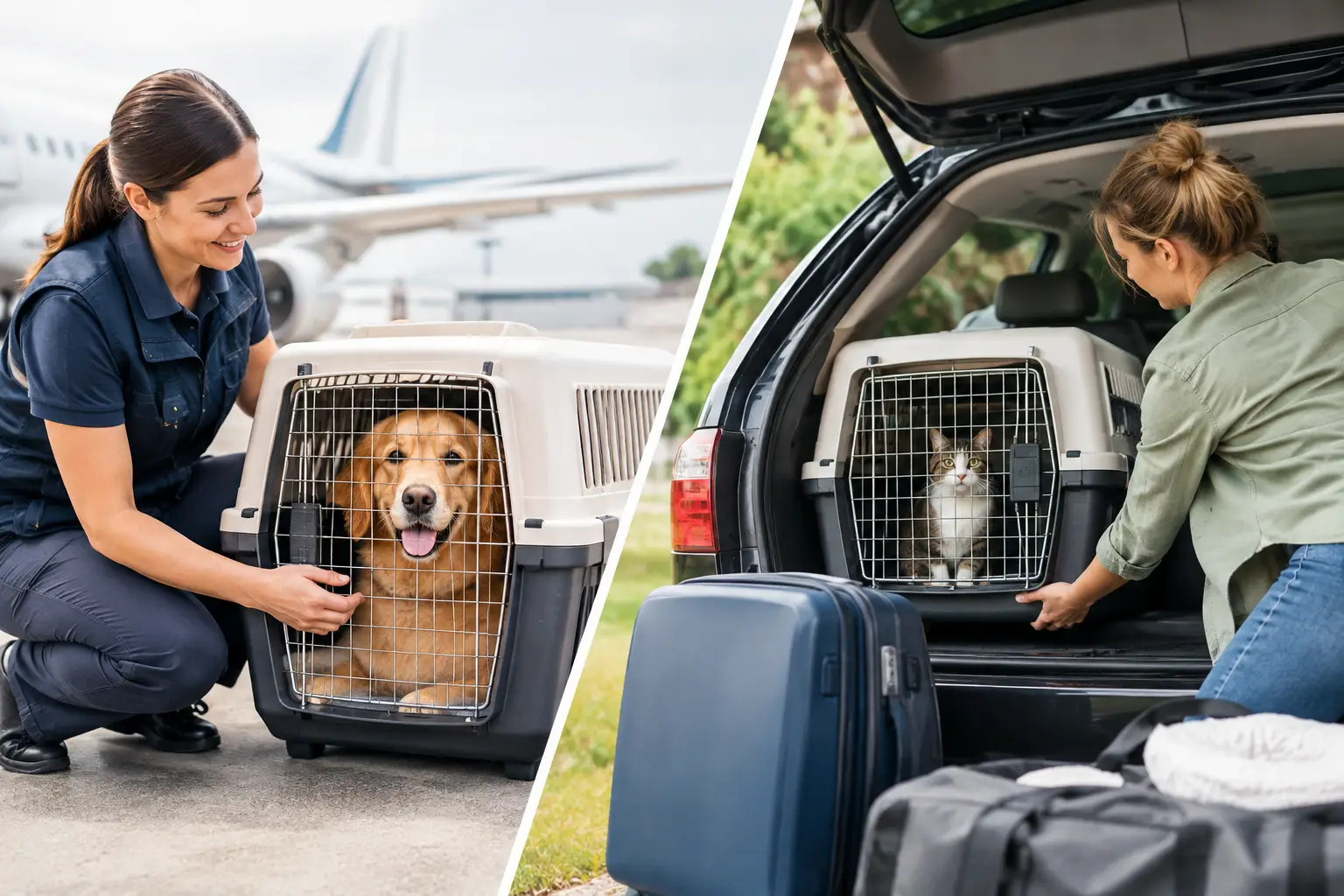

A missed signature, an expired vaccine window, or an airline crate rule discovered too late can turn a planned departure into a stressful delay. When considering a pet relocation service vs DIY approach, the real question is not simply who books the flight. It is who will manage the many moving parts that protect your pet’s welfare and keep the journey compliant from your home to the final destination.
International pet travel can be manageable on your own in the right circumstances. It can also become unexpectedly complicated, particularly when travel involves Panama, multiple countries, tight moving dates, cargo arrangements, or a pet with specialized needs. The best choice depends on your route, your available time, and how comfortable you are taking full responsibility for every requirement.
Pet Relocation Service vs DIY: The Core Difference
A DIY move puts you in charge of the entire process. You research import and export rules, schedule veterinary appointments, confirm airline requirements, obtain the correct health documentation, arrange the travel crate, coordinate airport procedures, and communicate with customs officials if questions arise. For a straightforward route, an organized owner may feel confident doing that work directly.
A professional relocation service manages those steps as a coordinated plan. The service reviews your itinerary and pet’s profile, identifies document and vaccination deadlines, works with veterinarians and airlines, prepares for customs clearance, and keeps each part of the move aligned. The value is not only completing tasks. It is knowing which task must happen first, what can affect the next step, and where small errors can create major delays.
This distinction matters because pet travel rules are not universal. Requirements may vary by origin, destination, transit country, airline, species, breed, and whether a pet travels in cabin, as checked baggage, or as cargo. A requirement that applies to a dog entering one country may not apply to a cat, a bird, or a pet traveling through a different airport.
When DIY Pet Travel Can Make Sense
DIY planning may be a reasonable fit when the journey is simple and you have plenty of lead time. For example, a healthy dog or cat traveling on a direct route with a familiar airline can involve fewer handoffs than a multi-country move. It may also work for owners who are comfortable reading government guidance, tracking deadlines, and making backup plans when airline schedules change.
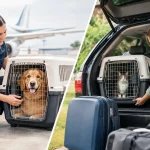
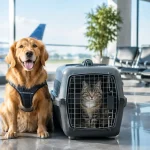
The key is to be realistic about the work involved. International pet travel is not a single booking. It is a series of time-sensitive commitments. A health certificate may need to be issued within a specific period before departure. Vaccination records must be complete and consistent. The crate may need to meet airline dimensions and safety standards. Import permissions and customs procedures may need attention before the flight even leaves.
DIY is most practical when you can personally handle airport drop-off and arrival procedures, respond quickly to requests, and remain flexible. If an airline changes its pet policy, a veterinarian finds a documentation discrepancy, or a flight is rerouted, the responsibility to solve it remains with you.
Where DIY Planning Often Becomes Risky
The paperwork is only one concern. Timing is often the harder part. Certain destinations require rabies-related testing, waiting periods, or specific veterinary treatments that must be completed in a particular order. Missing a timing window may mean postponing travel, even if every document eventually appears correct.
Airline coordination can also be more involved than it appears. Pet space may be limited on certain flights, seasonal temperature restrictions can affect routing, and airline policies may differ between cabin travel, checked pet travel, and cargo transport. A flight itinerary that works well for a person may not be appropriate or available for an animal.
Arrival brings another layer of responsibility. Customs clearance, inspections, collection procedures, and onward ground transportation all need to fit the pet’s actual arrival time. This is particularly relevant for families moving to Panama or through Central America, where regional knowledge can make a meaningful difference when documents and airport processes must align.
DIY becomes especially high-risk for birds, exotic animals, wildlife cases, brachycephalic breeds, very young or senior pets, pets with medical needs, and moves involving several countries. These journeys deserve more than a checklist copied from a general travel forum.
What a Full-Service Pet Relocation Partner Handles
A qualified relocation partner does not remove your role as your pet’s guardian. You still provide records, make care decisions, and prepare your pet emotionally and physically for travel. What changes is the amount of logistics you have to carry alone.
A full-service plan typically begins with a route and eligibility review. This helps identify the correct travel method, required documentation, vaccination status, crate considerations, and realistic timeline before commitments are made. From there, the work may include veterinary coordination, import and export documentation, airline routing, booking support, customs clearance planning, and delivery arrangements.
For many families, the most valuable benefit is having one informed point of contact. Rather than trying to reconcile advice from an airline representative, a local veterinarian, a destination authority, and a cargo facility, you have a team coordinating the process around your pet’s specific route.
Panama Pet Relocation supports end-to-end moves for dogs, cats, birds, and more specialized cases, including travel into and out of Panama and across Central America. That regional experience is useful when a relocation involves changing regulations, border procedures, or an itinerary that needs more careful handling than a direct flight.
Professional Support Does Not Mean Every Move Looks the Same
There is no single right level of help for every pet parent. Some owners only need guidance with documentation and airline procedures. Others need door-to-door support because they are managing a household move, beginning a new job, caring for children, or traveling separately from their pet.
A tailored plan can also account for in-cabin concierge options, airport assistance, rabies FAVN titer testing support, or home delivery after arrival. The appropriate services depend on the destination and the individual animal, not on a one-size-fits-all package.
How to Decide Which Option Is Right for You
Start by looking beyond the flight date. Ask how much time you have before travel, whether the route includes transit countries, and whether your pet’s veterinary history meets the destination’s requirements. Consider how you would handle a documentation correction days before departure or a last-minute airline change while you are also packing, selling a home, or starting a new assignment.
DIY may suit you if your route is direct, your pet’s requirements are uncomplicated, and you have the time and confidence to verify each detail with the proper authorities. Professional support is often the better choice when the move has multiple handoffs, short deadlines, cargo travel, special species considerations, or unfamiliar destination procedures.
It is also worth considering your own peace of mind. Pet parents do not choose professional help because they are incapable of filling out forms. They choose it because their pet is a family member, and the consequences of a preventable error can be difficult for both the animal and the owner.
Questions to Ask Before You Commit
Before choosing either path, make sure you can answer a few practical questions. What exact documents does the destination require, and when must they be issued? Does your preferred airline accept your pet on the planned route and travel date? Is your crate approved for that airline and suitable for your pet’s comfort and safety? Who will handle customs and collect your pet if the flight arrives late or changes airports?
If those answers are not clear, pause before booking. International pet relocation rewards early planning, careful verification, and decisions based on the pet’s needs rather than the convenience of a particular flight.
Your move should lead to a safe arrival and a calm first night in your new home. Whether you manage the details yourself or place them in experienced hands, give your pet’s journey the same care and preparation you would want for any member of your family.