



Pet Relocation to Panama Without Last-Minute Stress
July 13th, 2026 | Uncategorized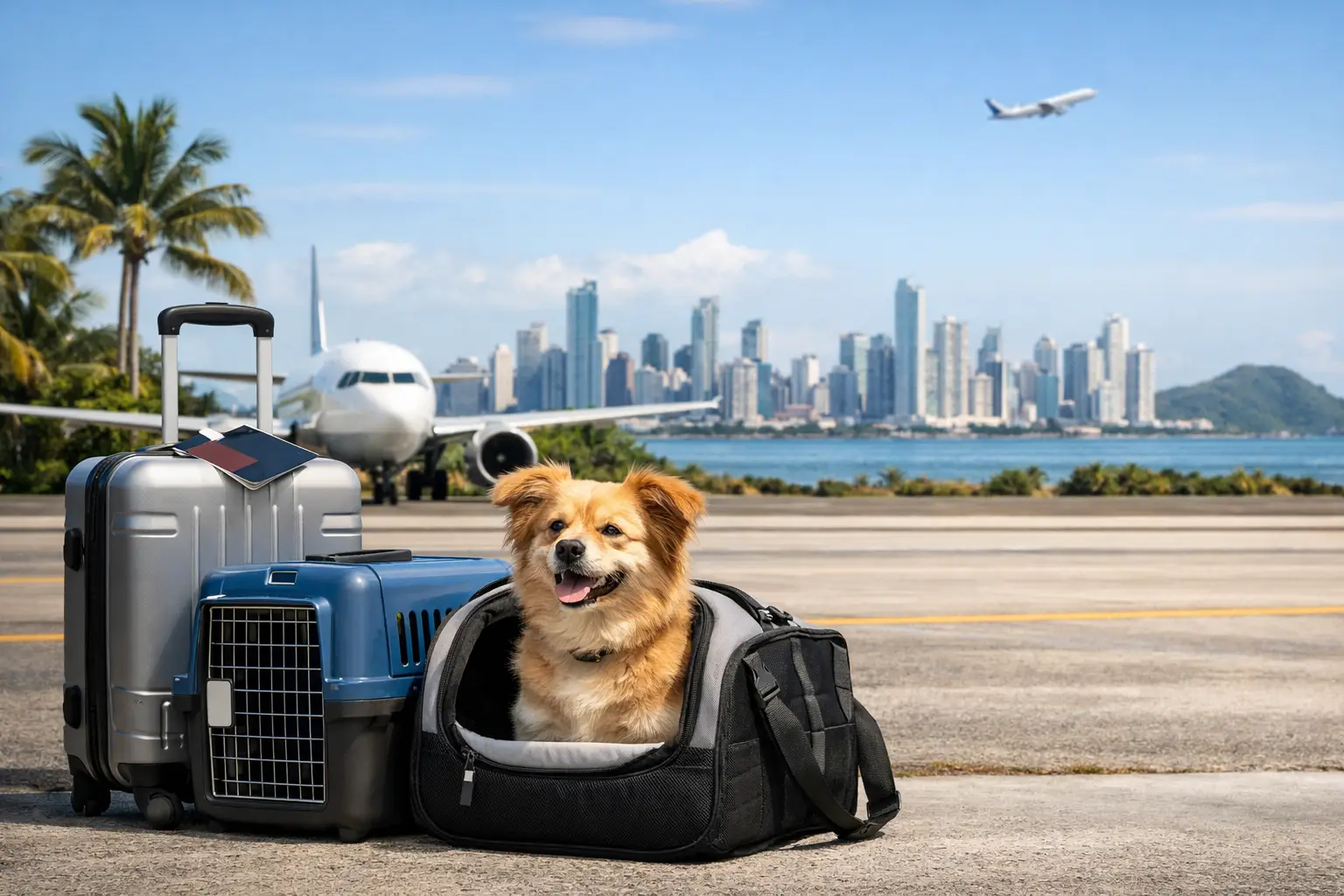
Your move date may be set, your household shipment may be booked, and your new home may be waiting. But pet relocation to Panama often depends on a separate timeline – one shaped by veterinary appointments, official documents, airline requirements, and customs procedures. A missed detail can create stressful delays at exactly the moment your family needs certainty.
The good news is that most pet travel issues are preventable with early planning and careful coordination. Whether you are relocating from the United States, returning home to Panama, or continuing through Central America, the goal is the same: make sure your pet arrives safely, legally, and with as little disruption as possible.
Why Pet Relocation to Panama Requires Early Planning
International pet travel is not simply a flight reservation with a kennel added. Your pet’s eligibility to enter Panama depends on documentation that must be accurate, current, and completed in the correct order. That can include vaccination records, a veterinarian-issued health certificate, government endorsements, import authorization, and airline-specific paperwork.
Timing matters because some records are only valid for a limited period. A health certificate completed too early may expire before travel. One completed too late may leave too little time for required review or endorsement. Airline cargo schedules can also change, and a routing that works for one breed, crate size, or season may not work for another.
Planning early gives your family options. It allows time to select an appropriate flight route, confirm the right travel crate, address a missing vaccine record, and adjust if an airline changes its pet acceptance policy. It also reduces the risk of making expensive or emotionally difficult decisions under pressure.
Start With Your Pet’s Health and Travel Readiness
A veterinary visit is more than a routine checkup before an international move. Your veterinarian needs a complete, legible record of your pet’s identity, vaccination history, current health, and fitness to travel. If your pet is microchipped, confirm that the chip number matches every document. A mismatch as small as one digit can create questions during document review or arrival clearance.
Dogs and cats generally need current rabies vaccination records and other routine vaccinations appropriate to their species and travel plan. The specific requirements can depend on the country of origin, the animal’s age, and the route. Puppies, senior pets, pets with chronic conditions, and short-nosed breeds may require additional planning because their health needs or airline options can be more limited.
If your destination after Panama includes another country, consider the full itinerary rather than only the first arrival. Rabies FAVN titer testing, for example, may be necessary for future travel to certain destinations and can take time to arrange. Completing a test at the right point in the process may protect your flexibility later.
Ask the Right Questions at the Veterinary Appointment
Bring prior records and ask your veterinarian to review dates, vaccine product details, and the spelling of your pet’s name. Verify that the name on the records matches the name that will appear on airline and import documents. If your pet takes medication or has travel-related anxiety, discuss a safe plan with the veterinarian well before departure.
Sedation is not routinely appropriate for air travel and may create additional risks. A veterinarian can help you consider your pet’s individual health and temperament, but airline rules and travel conditions also need to be part of that conversation.
Choose a Flight Plan That Fits Your Pet
The best route is not always the shortest one. A nonstop flight can reduce handling and transit time, but availability depends on the departure city, airline, weather, aircraft type, crate dimensions, and pet category. Some pets can travel in cabin when they meet airline size and route rules. Others travel as checked baggage where permitted or through a professionally managed cargo process.
For larger dogs, cargo transport is often the practical option. When organized properly, it is a structured process with airline handling procedures, accepted travel kennels, and controlled handoffs. Still, every case deserves individual review. A large crate may not fit through the cargo door of a particular aircraft, and seasonal heat restrictions can affect travel dates.
Connections require special attention. A transfer through another country can introduce transit rules, longer ground time, or complications if a flight is delayed. Whenever possible, choose a route with appropriate connection windows and reliable pet handling at each point. The right itinerary balances speed, safety, airline capability, and the needs of the individual animal.
The Travel Crate Is Part of the Safety Plan
Your pet’s crate is not an afterthought. It is their protected space during airport handling and flight, so it must meet airline standards and fit the pet correctly. Your dog or cat should be able to stand naturally, turn around, and lie down comfortably. The crate must be secure, well ventilated, and large enough without being unnecessarily oversized.
Introduce the crate weeks before travel, not the night before departure. Leave it open at home with familiar bedding or a safe comfort item inside. Offer meals near it, then inside it, and build calm, positive associations. This simple preparation can make a meaningful difference for a pet who has never spent time in a travel kennel.
Avoid placing prohibited items in or on the crate. Airlines may have specific rules about toys, bowls, absorbent materials, labels, and accessories. A professional coordinator can confirm the crate setup for the selected airline so it is accepted at check-in.
Documents and Customs Clearance Need to Work Together
Import documents are the part of a move that often feels most intimidating because they involve several authorities and strict deadlines. The key is not merely collecting paperwork. It is making sure each document supports the next one and reflects the actual travel plan.
For entry into Panama, families should expect to coordinate veterinary documents, required vaccinations, import permissions, and arrival clearance. Requirements can change, and an unusual case – such as a bird, exotic animal, wildlife matter, or a pet arriving from a country with different disease-control standards – may involve additional permits and lead time.
Original documents should travel with the pet or the person responsible for clearance, while digital copies should be stored securely and easy to access. Keep records organized in one folder and review them before leaving for the airport. It is far easier to correct a missing signature at home than to discover it after a flight has departed.
Arrival planning also matters. Know who will meet the pet, where customs clearance will take place, and how your pet will travel from the airport to the new home. After a long journey, the first priority is usually a quiet, secure environment, fresh water, a bathroom break, and time to settle.
When Professional Support Makes Sense
Some families manage a straightforward trip independently, especially when traveling with a small pet in cabin on a direct route. Yet professional support is particularly valuable when the route involves cargo, multiple countries, large dogs, tight timelines, document endorsements, or an owner who cannot travel with the pet.
A full-service relocation partner can coordinate the moving parts that are easy to overlook: veterinary timing, import and export documentation, airline bookings, crate compliance, customs clearance, and final delivery. That coordination matters even more when plans shift. A canceled flight or changed airline rule should not leave a pet without a safe, compliant next step.
Panama Pet Relocation provides hands-on planning for dogs, cats, birds, and more complex animal travel cases, with support for moves into, out of, and through the region. The purpose is simple: give pet parents a clear plan and a responsible point of contact throughout a process that can otherwise feel fragmented.
Give Your Pet Time to Settle After Arrival
The journey does not end at the airport. A new home brings unfamiliar scents, sounds, weather, and routines. Keep the first few days calm. Offer the same food your pet ate before travel when possible, maintain regular walking or feeding schedules, and give them a quiet place to rest away from movers, visitors, or construction noise.
Panama’s climate can feel very different from a northern U.S. city, especially for thick-coated dogs or pets unaccustomed to heat and humidity. Schedule outdoor activity during cooler parts of the day, provide frequent water, and watch for signs that your pet needs a slower adjustment period.
A well-managed move is not about rushing a pet through the process. It is about anticipating the details early enough that your family can focus on the reason you are moving in the first place – beginning a new chapter together, with every member of the household safely home.