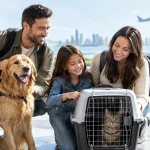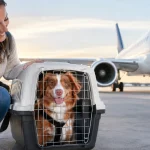


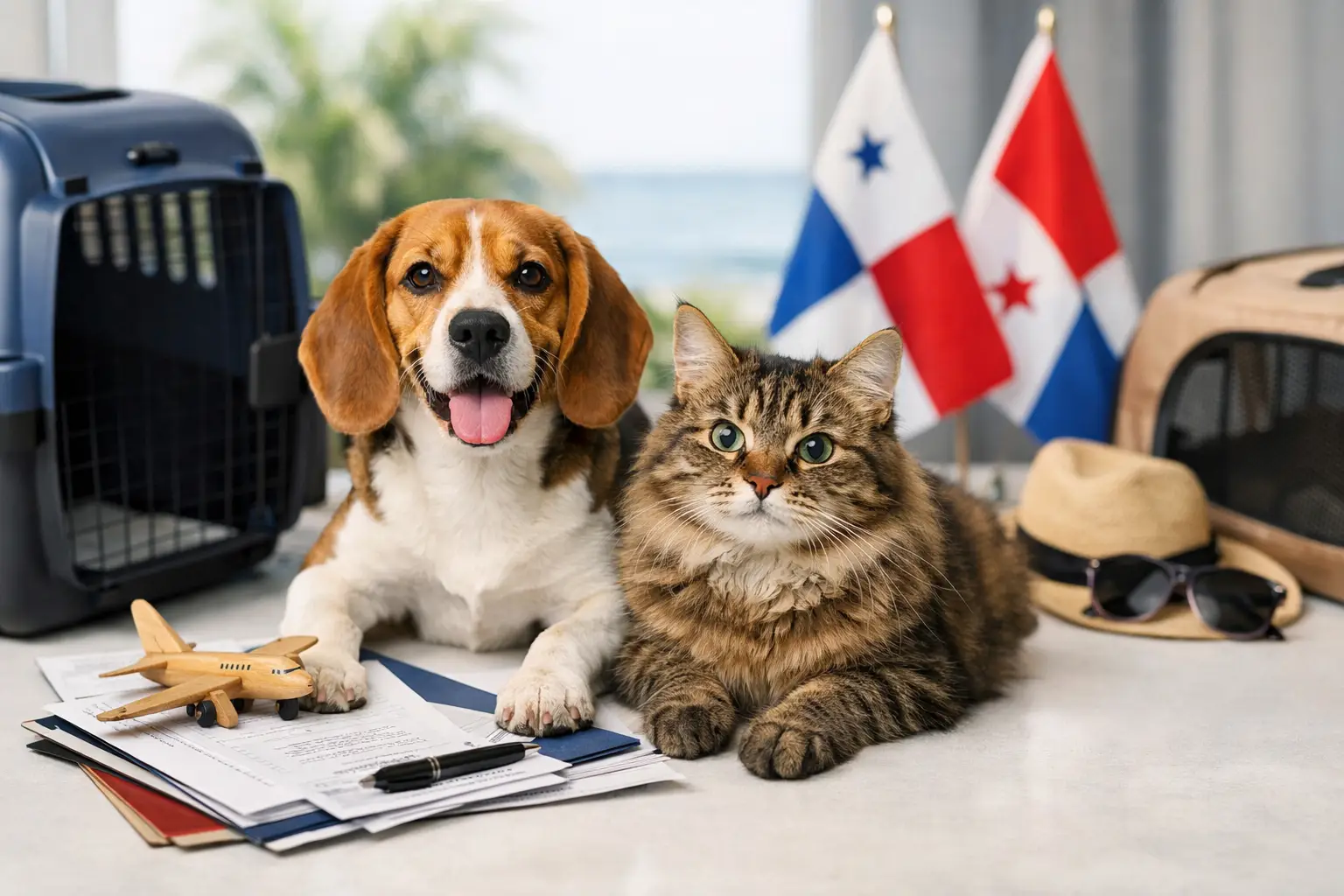

A missed vaccine date or a health certificate signed too early can turn a well-planned move into a scramble at the airport. Panama pet import requirements are manageable, but they are not forgiving when paperwork, timing, and veterinary details fall out of sync. For families moving with a dog or cat, the safest approach is to understand not just what is required, but when each step needs to happen.
What to know about Panama pet import requirements
Panama requires pets entering the country to meet specific veterinary and import conditions before arrival. That usually includes current vaccinations, an international health certificate, official endorsements where required, and arrival procedures that must match the documents exactly. The rules may look straightforward on paper, but the real challenge is coordination.
That is where many pet owners get stuck. A pet can be perfectly healthy and still face delays if the paperwork does not align with airline rules, government timelines, or customs procedures. Dates matter. Signatures matter. Even a small mismatch between the microchip record, vaccine history, and health certificate can create problems.
For most households, the process depends on three variables: the country of origin, the type of pet, and the travel schedule. Dogs and cats follow the most common pathway. Birds and exotic animals usually require more specialized handling, and in some cases, added permits or agency review.
The documents most pet owners need
For dogs and cats, the import file usually starts with proof of vaccination. Rabies vaccination is the most critical item, and it must be valid within the accepted timing window for travel. Standard core vaccinations are also often expected as part of the veterinary record, especially if an airline or transit country requires them.
The next key document is the veterinary health certificate. This certificate confirms that the pet was examined by a licensed veterinarian and found free of signs of contagious disease and fit to travel. In many cases, this document must be completed within a narrow period before departure, so timing your appointment too early can be just as risky as waiting too long.
Depending on the origin country, that health certificate may also need government endorsement. For US travelers, this often means working through the USDA endorsement process after the veterinarian completes the form. If endorsement is required and not obtained correctly, the rest of the file may not matter.
Import permits or pre-approval may also apply in certain cases. Some travelers assume the airline booking is enough. It is not. Airline acceptance and country entry approval are separate issues, and both have to line up.
Vaccinations, timing, and why details matter
Vaccination records are not just a checklist. They are a timing issue. A rabies shot given too recently before travel may not satisfy entry rules. One that has expired, even by a short margin, can trigger problems as well. Booster history can also matter, especially if there is any question about whether the pet remained continuously vaccinated.
This is one of the most common it depends areas in pet relocation. A pet with a long, clean vaccine history may move through the process more easily than a pet with gaps in records or recent updates done in a rush before travel. Older pets, pets with medical conditions, and very young animals may need extra planning because what is medically appropriate is not always identical to what fits the travel calendar.
That is why experienced coordination matters. The goal is not simply to collect documents. The goal is to build a compliant timeline that protects the pet and avoids last-minute surprises.
Health certificate rules often create the most stress
If there is one document that causes the most confusion, it is the health certificate. Pet owners often assume any veterinarian can issue one and that the form can be done whenever it is convenient. In reality, the certificate usually has to follow a specific format, include exact identifying details, and be issued within a strict window before the flight.
That narrow timeframe puts pressure on everything else. Your flight needs to be confirmed. Your vet appointment needs to land at the right moment. If endorsement is required, there has to be enough time for processing without missing the departure date. If your flight changes after the certificate is issued, the document may no longer align with the itinerary.
This is also where incomplete records tend to surface. If your pet’s vaccine certificate has a missing lot number, unclear date, or inconsistent name spelling, it can become a problem only after the health certificate is being prepared, when there is very little time left to fix it.
Arrival procedures in Panama
Meeting the document requirements before departure is only part of the process. Pets arriving in Panama may also go through inspection and clearance procedures on arrival. That means the original documents must travel with the pet and be presented in the correct form.
Airport handling can vary depending on how the pet is traveling, the airline, the arrival time, and whether the pet is arriving as accompanied baggage, manifested cargo, or under a specialized transport arrangement. A family arriving with their dog on the same flight will not always move through the same process as a pet traveling separately.
This is another area where assumptions can cause delays. Some owners focus only on what is needed to board the flight, then realize too late that customs, veterinary inspection, or local clearance steps require additional preparation. A smooth arrival depends on the full chain being managed, not just the departure paperwork.
Airline rules and import rules are not the same thing
One of the biggest misunderstandings in international pet travel is treating airline policy and country import requirements as if they are interchangeable. They are not. A pet may satisfy Panama’s entry conditions and still be refused by the airline because of crate dimensions, breed restrictions, weather embargoes, routing limitations, or check-in requirements.
The reverse can also happen. An airline may accept the booking, but the pet’s documents may not meet import standards on arrival. That gap is where many stressful situations begin.
Crate compliance is a good example. Even when all paperwork is in order, an airline can reject travel if the crate is too small, missing absorbent material, or not assembled to the required standard. Brachycephalic breeds, senior pets, and pets with anxiety may also need a more tailored travel plan because the technically available option is not always the safest one.
Why DIY imports can work – and where they often break down
Some pet owners do manage the process on their own, especially when they have flexible travel dates, a straightforward dog or cat case, and time to track each document carefully. If the route is direct and the pet has a current medical history, self-management can be possible.
Where it usually breaks down is in the handoff points between systems. The veterinarian may understand the medical side but not airline cargo rules. The airline may accept a reservation but not advise on government endorsement timing. The owner may gather every document but miss a formatting requirement that only becomes obvious during inspection.
That does not mean every relocation needs the same level of support. Some moves only need document review and timing guidance. Others need complete management from veterinary coordination through customs clearance and home delivery. The right level of help depends on the complexity of the move and the owner’s tolerance for risk.
Planning ahead makes the move safer for pets and calmer for people
The best time to start is earlier than most people think. Even if your pet’s records look current, there may be updates needed to align with travel timing, airline rules, or import procedures. Starting early gives room to correct errors, confirm routing, and avoid making veterinary decisions under pressure.
This matters emotionally as much as logistically. Moving internationally is already a major life event. When a pet is part of that move, every delay feels personal. Families want reassurance that their animal will be handled safely, arrive legally, and avoid unnecessary stress.
That is why a structured plan helps so much. At Panama Pet Relocation, the value of professional support is not just paperwork. It is having someone track the sequence, check the details, and anticipate where a problem is likely to happen before it affects your pet’s trip.
If you are preparing to move a dog or cat into Panama, treat the process like a timeline, not a form. The right documents matter, but the right order matters just as much. A calm move usually starts long before the airport, with a plan that leaves nothing important to chance.