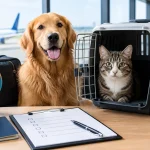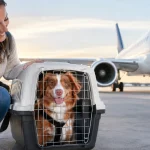




If you need to bring pet to Panama, the hardest part is usually not the flight. It is the paperwork, timing, and small compliance details that can turn a well-planned move into a last-minute problem. Families often assume a health certificate and an airline booking are enough, then discover that one missing endorsement, one mistimed vaccine, or one misunderstood entry rule can delay arrival and create unnecessary stress for both pet and owner.
Moving a pet internationally is emotional because your animal is not cargo to you. It is a family member with routines, medical needs, and a threshold for stress. That is why the process works best when it is treated as both a regulatory project and a welfare plan. You need the right documents, but you also need to think about route choice, crate readiness, veterinary timing, airport handling, and what happens after landing.
What it really takes to bring pet to Panama
Bringing a pet into Panama usually involves a combination of veterinary preparation, government documentation, airline coordination, and arrival logistics. Those pieces need to line up in the right order. If one step is done too early, it may expire. If another is done too late, your travel date may have to move.
Most pet owners start with vaccines, but that is only one part of the picture. Depending on the pet, country of origin, and travel route, you may also need an official health certificate, import-related paperwork, parasite treatments, and endorsements from the proper authorities. Airlines may have their own requirements on top of government entry rules, especially for crate size, seasonal restrictions, and check-in timing.
This is where many relocations become more complicated than expected. A document can be valid for one authority but not accepted by another if the formatting, signature, or endorsement is wrong. That does not mean the move is impossible. It means the move needs careful sequencing.
Start with timing, not with booking
The biggest mistake people make is booking travel before confirming the compliance timeline. If your pet needs a specific exam window or paperwork issued close to departure, the travel date has to support that. If your route involves multiple countries, transit rules may also affect what is required.
A good plan usually begins several weeks or months in advance, depending on species and origin. Dogs and cats may move on a different timeline than birds or exotic animals. Pets with recent vaccine changes, incomplete records, or older medical issues may need more lead time too. If rabies documentation is unclear, or if a titer test is involved for a future onward move, the timeline becomes even more important.
That is why experienced relocation planning starts with a review of the pet’s records, the origin country, the destination requirements, and the intended date of travel. Once those are clear, the rest of the schedule can be built around them.
The documents matter more than most owners expect
For most international pet moves, document accuracy is not a minor detail. It is the move. A healthy pet can still face delays if names do not match passports or tickets, if vaccine dates are entered incorrectly, or if the wrong form is used.
In practical terms, owners usually need to verify identification details, vaccination history, veterinary exam timing, and any official approvals required before departure. Import procedures can also include steps that must be completed before the pet boards the plane, not after arrival. Waiting until the final week to organize this is risky.
There is also a difference between having documents and having usable documents. A vaccination record from a local clinic may be medically accurate, but it may not satisfy airline staff, customs officers, or agricultural authorities if the information is incomplete or not properly certified. Professional review helps catch those issues before travel day.
Flight planning affects your pet’s stress level
When people think about pet travel, they often focus on whether the animal will fly in cabin or as manifested cargo. That matters, but the route itself can be just as important. A short, direct itinerary is usually easier on a pet than a cheaper route with long layovers, multiple handoffs, or climate exposure.
Not every flight option is equal for animals. Some airlines have stricter temperature rules. Some have stronger pet handling programs. Some routes require overnight stops or airport transfers that increase complexity. A pet with anxiety, a brachycephalic breed, a senior medical profile, or a very large crate may need a more customized plan.
There is no single best option for every family. In-cabin support may be ideal for a small pet that meets airline limits. A larger dog may need a carefully managed cargo itinerary with the right crate setup and ground handling. The key is choosing the route based on the pet’s welfare and regulatory fit, not just on what appears easiest for the humans.
Crate readiness is not optional
A compliant travel crate is one of the most overlooked parts of an international move. The crate must meet airline standards, allow the pet to stand and turn comfortably, and be secure enough for handling throughout the journey. If the crate is too small, damaged, or improperly assembled, check-in can be denied.
Just as important, the pet needs to be comfortable in it before travel day. Crate training reduces panic, vocalizing, and injury risk. A dog that has never spent time in a crate should not be introduced to one for the first time at the airport. Gradual familiarization at home usually leads to a calmer trip.
For some pets, this adjustment is quick. For others, especially older rescues or animals with travel sensitivity, crate training needs patience. That is another reason early planning helps. Welfare is not just about getting approval to travel. It is about preparing the animal to travel well.
Arrival is a process, not just a landing
Landing in Panama is not the end of the relocation. After arrival, pets may need to go through document review, customs or agricultural inspection procedures, and release coordination before they can continue home. If the paperwork has been prepared correctly, this process is far more manageable. If not, delays happen at the point when owners are already tired and anxious.
This is where local experience matters. Airport procedures, inspection workflows, and handoff timing can vary in ways that are difficult to predict if you are trying to manage everything from abroad. Families relocating with children, multiple bags, or connecting ground transport often find that arrival support removes the most stressful part of the move.
For owners who are not traveling with the pet, professional coordination becomes even more valuable. Someone needs to monitor the release process, verify that the pet is cleared properly, and make sure final delivery happens safely.
Why professional support changes the outcome
You can absolutely research pet entry requirements on your own. Many people do. The challenge is that international pet transport is not just an information problem. It is an execution problem.
Rules can change. Offices can have cutoff times. Airlines can interpret requirements narrowly. Vets may be excellent clinically but unfamiliar with international formatting or endorsement standards. One missed detail can force a reissue, a rebooking, or a delay at arrival.
That is why full-service relocation support is less about convenience alone and more about risk control. An experienced team can coordinate veterinary steps, review documents before they become urgent, align airline routing with the pet’s needs, and manage customs and airport handling with much less guesswork. For families juggling a home move, immigration, school changes, or work relocation, that support can make the difference between a manageable process and a chaotic one.
Panama Pet Relocation works with this kind of complexity every day, which is exactly why many clients prefer expert handling over trying to piece together the move themselves.
Common issues that can delay a pet move
Most preventable delays come from a small set of problems. The vaccine history may not match the pet’s microchip or identity details. The health certificate may be issued outside the accepted window. The crate may fail airline standards. The flight may be booked before the paperwork path is confirmed. Or the owner may assume that what worked for one country will work the same way for Panama.
There are also cases where the pet itself changes the plan. Very young pets, senior animals, snub-nosed breeds, birds, and exotic species often require more specialized review. None of that means the relocation cannot happen. It just means a standard checklist may not be enough.
The most reliable approach is simple: verify requirements early, coordinate every step against the departure date, and treat welfare planning with the same seriousness as document planning.
If you are preparing to move, give yourself enough time to do this carefully. Pets handle change best when the humans around them are calm, organized, and working from a clear plan. When the process is managed well, the move feels less like a regulatory obstacle and more like what it should be – getting your companion safely to the next chapter with you.