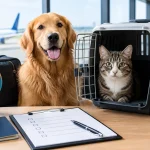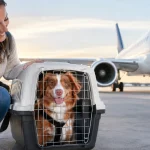


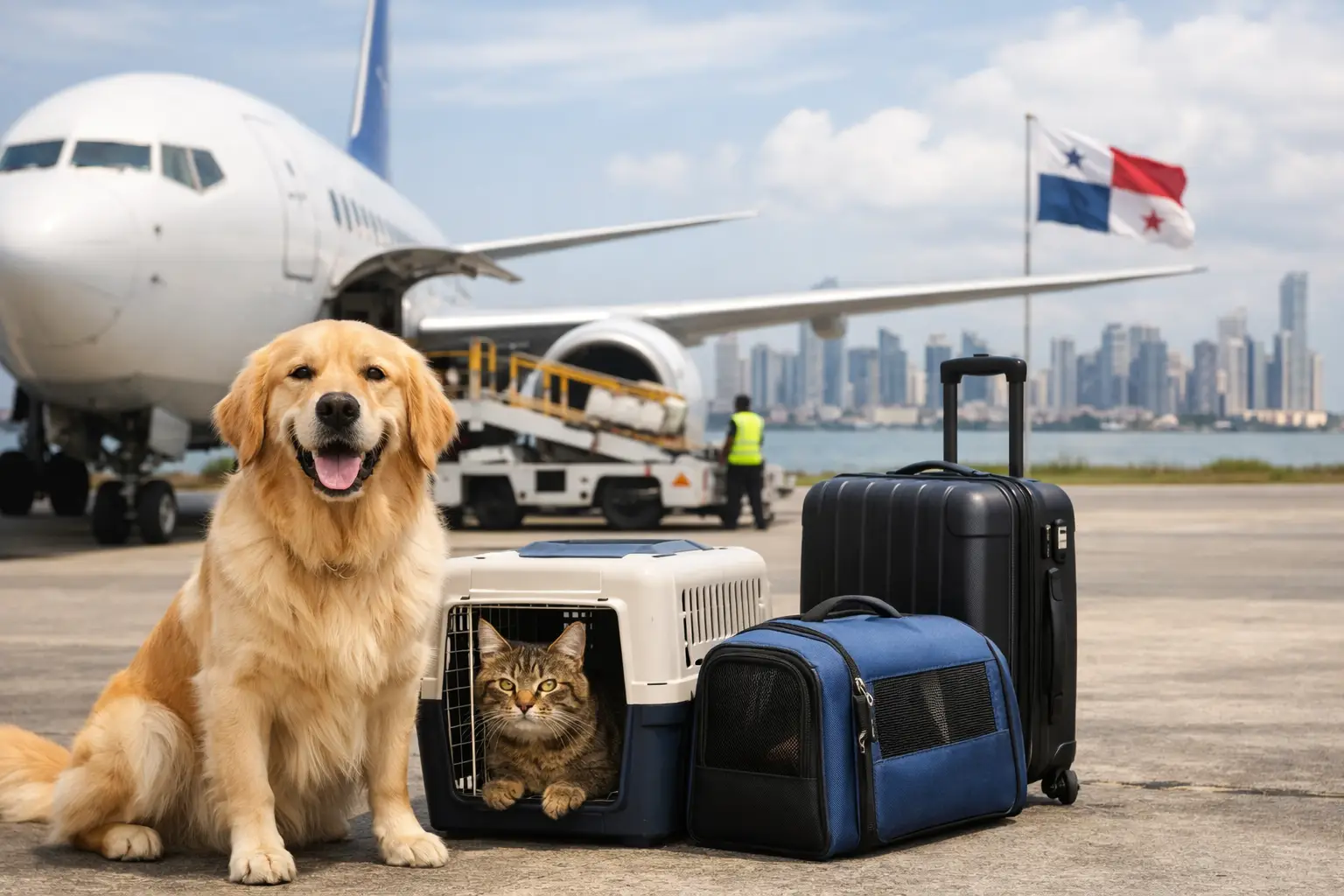

When your move has a deadline, your pet’s travel plan cannot be an afterthought. Pet export Panama often looks simple at first – book a flight, gather a few records, and go – until airline rules, veterinary timing, and destination-country paperwork start colliding. That is usually the moment families realize this is not just travel planning. It is compliance planning, with a living animal depending on every detail being right.
For pet owners leaving Panama, the biggest challenge is not just getting documents together. It is getting the right documents in the right order, on the right timeline, while making sure your dog, cat, bird, or other animal is actually fit to travel under the airline’s and destination country’s standards. A missed endorsement, an expired vaccine window, or a crate that does not meet airline specifications can create delays that are stressful for both pets and people.
What pet export Panama really involves
A pet export is a coordinated process between veterinary care, government paperwork, airline acceptance, and arrival rules in the destination country. Each part affects the next. If the bloodwork schedule shifts, the health certificate date may need to shift too. If the airline changes the routing, temperature restrictions or transit rules may suddenly matter.
This is why pet export Panama is rarely a one-size-fits-all service. A small dog flying in cabin with an owner has a very different path from a large dog traveling as manifested cargo. A cat heading to the United States may face different requirements than one traveling to Europe or another part of Latin America. Birds, reptiles, and wildlife cases can add another layer of permits and species-specific controls.
The practical question is not just, “What paperwork do I need?” It is, “What sequence will keep my pet compliant from home pickup to final arrival?” That is where expert planning makes a measurable difference.
The documents that usually matter most
Most exports start with your pet’s core veterinary record. That includes identification details, vaccine history, and a review of whether destination-country requirements call for specific tests or treatments. In many cases, a recent health certificate is required within a narrow travel window. Some destinations also require government validation or an official endorsement before departure.
Rabies documentation is one of the most common pressure points. Some countries accept a current rabies vaccination record alone, while others require rabies antibody testing such as a FAVN titer. The timing matters. If a destination requires a waiting period after the titer result, that waiting period can shape your entire moving schedule.
Beyond medical records, airlines have their own acceptance standards. They may require breed review, weight and crate measurements, acclimation or feeding instructions, and booking confirmation for a pet reservation that cannot simply be added at the last minute. Transit countries can matter too. Even if your final destination has manageable rules, a stopover may trigger extra restrictions.
Timing is where most problems start
Families often focus on what is needed, but not when it is needed. That is a mistake, because pet exports are heavily deadline-driven. Some documents must be issued only a few days before travel. Others, like certain vaccine or titer requirements, may need to be started months in advance.
That timing gap is why last-minute planning can become expensive in energy and risk, even when the move itself has been on the calendar for a while. If you are exporting a pet from Panama, the best window to start depends on destination rules, airline space, and the pet’s medical status. For a straightforward move, a few weeks may be workable. For destinations with blood test waiting periods or unusual species rules, you may need a much longer runway.
There is also the reality of travel season. Airline embargoes related to heat, cold, or peak cargo periods can affect when pets are accepted. A route that works in one month may not work in another. That does not mean travel is impossible. It means the plan has to be built around real operational conditions, not assumptions.
Choosing the right travel method for your pet
Not every pet should travel the same way. Some pets can fly in cabin, but many cannot because of size, route restrictions, or airline rules. Others may travel as checked baggage when accompanied, though many families now find that manifested cargo provides more predictable handling for international routes. The best option depends on destination, airline availability, the pet’s size, and the owner’s travel plan.
This is also where emotion and logistics meet. Pet owners naturally want the method that feels closest and most comforting. Sometimes that lines up with the best operational option. Sometimes it does not. For example, an in-cabin option may sound ideal, but if it requires awkward connections or long airport holds, a direct professionally managed route may be less stressful overall.
The same goes for ground support. Door-to-door handling, airport assistance, customs coordination, and home delivery can remove the most difficult points in the journey, especially for families managing children, household shipping, immigration appointments, or their own international flights at the same time.
Pet export Panama for dogs, cats, and more
Dogs and cats make up most international pet moves, but even within those categories there are variables that matter. Age, breed type, snub-nosed traits, crate tolerance, and medical history can affect routing and airline acceptance. Senior pets may need a more cautious plan. Young pets may not yet meet vaccine-age requirements for certain destinations.
Exotic animals and birds require even more care. These cases may involve species verification, conservation controls, specialized carriers, and additional import permissions on the receiving side. It is not enough to ask whether travel is allowed. You need to confirm how that species must be documented, handled, and cleared.
That level of detail is one reason specialized relocation support matters. In a standard move, the pet is often treated like one item on a relocation checklist. In reality, the animal’s case may be one of the most regulated parts of the move.
Why professional management changes the experience
Many pet owners begin by trying to organize the export themselves. That approach can work in very simple cases, especially when the destination has minimal requirements and the owner has the time to coordinate every step. But pet exports stop feeling simple the moment there is a schedule change, a document discrepancy, or a routing issue.
Professional management helps because it puts one team in charge of the moving parts. That can include document review, veterinary coordination, airline booking strategy, crate guidance, customs support, and communication across the full timeline. Instead of chasing requirements from multiple sources and hoping they align, you have a process built around compliance and pet welfare from the start.
For families relocating internationally, that support often matters as much emotionally as it does operationally. You are not just trying to get your pet from one airport to another. You are trying to protect them during a period that is already disruptive to routine, feeding, rest, and familiar surroundings. Calm planning reduces preventable stress.
Panama Pet Relocation handles that kind of planning every day, which is especially valuable when a move involves regional connections, international paperwork, or a destination with strict veterinary controls.
What to do before you book anything
Before confirming flights, gather your pet’s current vaccine record, microchip details if applicable, and any recent medical history. Then verify the destination country’s live animal entry rules and compare them with likely airline options. This is the point where many hidden issues appear, and it is far better to find them before your own ticket is locked in.
You should also think honestly about your pet’s temperament. A confident young cat and an elderly dog with travel anxiety will not need the same plan. Crate training, feeding schedules, medication review, and transfer support all deserve attention well before departure week.
If your move is time-sensitive, build in margin wherever possible. Government offices, flight schedules, and document timelines do not always move at the same speed. A realistic plan protects you from avoidable panic.
The good news is that pet export Panama does not have to feel overwhelming when the process is managed correctly. With the right timeline, the right paperwork, and the right travel setup, your pet’s trip can be safe, compliant, and far less stressful than most families expect. A careful plan gives your pet the best chance at arriving the same way you want to arrive yourself – settled, secure, and ready for what comes next.