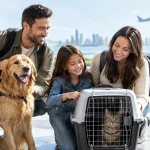


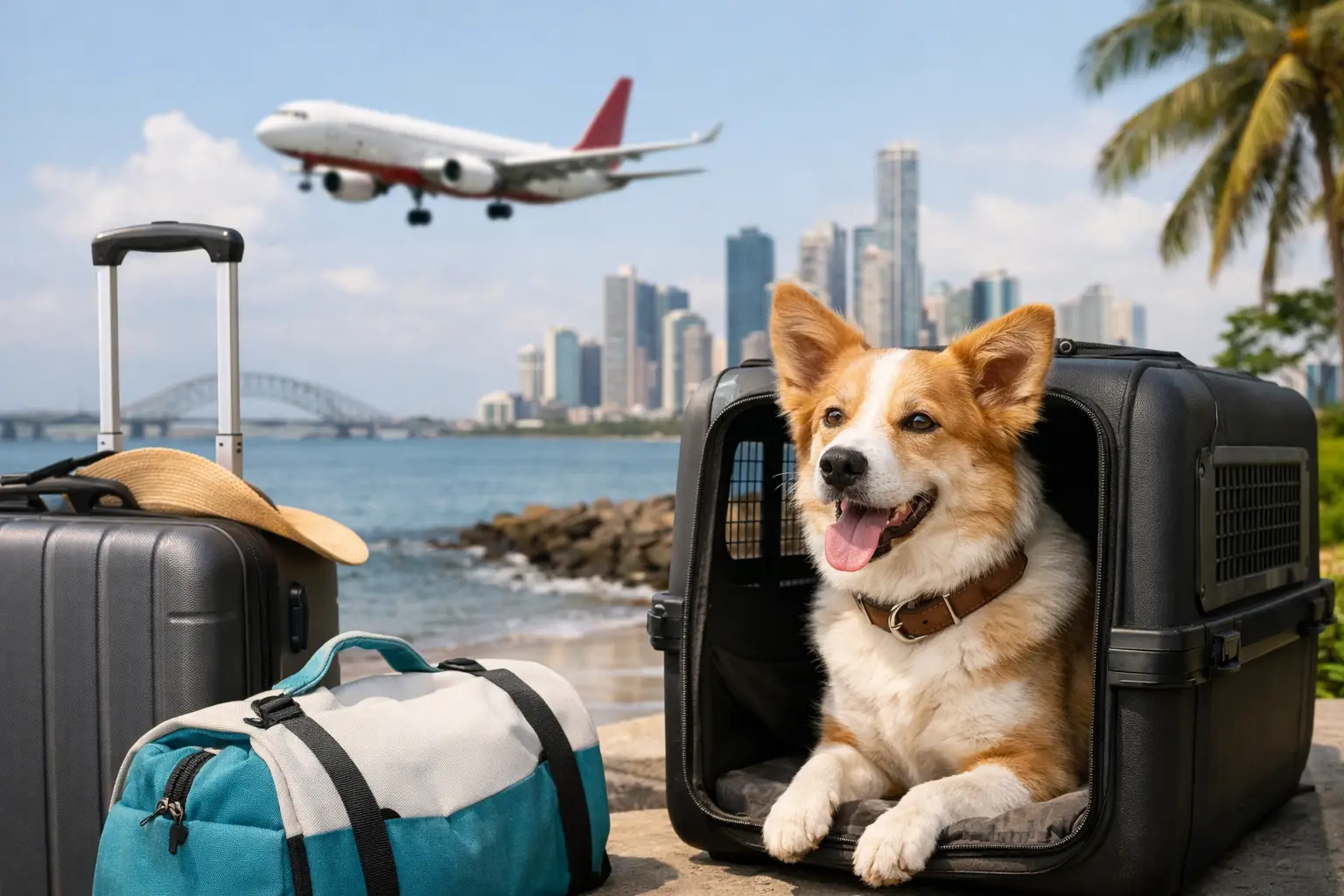

A move to Panama gets very real the moment you look at your dog and realize this is not just about flights, boxes, and paperwork. If you are figuring out how to move a dog to Panama, you are managing a process that affects your pet’s health, your travel schedule, and your peace of mind all at once.
The good news is that bringing a dog into Panama is very doable when the timeline, veterinary requirements, and airport logistics are handled correctly. The hard part is that international pet travel has very little room for guesswork. A missed document, a mistimed vaccine, or the wrong flight plan can quickly turn an already emotional move into a stressful one.
What matters most when moving a dog to Panama
The biggest mistake people make is assuming pet travel works like passenger travel. It does not. Your dog may need specific health documentation, vaccination records, import coordination, and customs handling that all line up within narrow validity windows.
That is why the process should start early. Even when a dog is healthy and current on routine care, international entry requirements often depend on exactly when records were issued, how forms were completed, and whether the airline accepts the route you want. A plan that looks simple on paper can change once breed restrictions, weather embargoes, or aircraft limitations come into play.
For most families, the goal is not just getting the dog into Panama. It is getting there safely, legally, and with as little stress as possible.
How to move a dog to Panama without last-minute problems
Start with the timeline, not the flight. That may sound backward, but the veterinary and import side usually determines when your dog can travel.
In practical terms, you will need to confirm Panama’s current entry requirements, review your dog’s vaccination history, and schedule any needed veterinary appointments early enough that you are not trying to fix problems a few days before departure. If your dog has an expired vaccine, a health issue, or a complicated routing, the solution may take longer than expected.
You also need to decide how your dog will travel. Some dogs can fly in cabin if they are small enough and the airline allows it. Others must travel as checked baggage or manifest cargo depending on the route, airline, and kennel size. This is where people often discover that the airline they chose for themselves is not the best airline for their pet.
A strong relocation plan usually includes the veterinary schedule, document preparation, airline routing, crate readiness, airport handling, and arrival clearance in Panama. If one part is weak, the whole trip becomes more fragile.
Health records and vaccinations
Your dog’s medical file is the foundation of the move. Panama typically requires current vaccination records and an official health certificate issued within a specific timeframe before travel. Exact rules can change, so relying on an old checklist or another traveler’s experience is risky.
Rabies vaccination is especially important. The date it was given, whether it is still valid, and how it appears on official records can all matter. For some international movements, a rabies FAVN titer test may also be part of broader travel planning, especially if Panama is one leg of a longer relocation. That does not apply in every case, but it is one of those details that can become very important depending on where your dog has been and where your dog is going next.
If your dog is older, on medication, brachycephalic, anxious in transit, or traveling during warmer months, your veterinarian should be part of planning well before the final week.
Choosing the right flight for your dog
Not all flights are equally pet-friendly. A short, direct route is often better than a cheaper itinerary with long layovers, aircraft changes, or overnight holds. For dogs traveling in the hold, temperatures at origin, transit, and destination can affect whether the airline will accept the booking at all.
There is also a trade-off between convenience and control. Booking your own ticket first may limit your dog’s options later. In many relocations, the pet’s routing should be built first and the family’s travel arranged around it, not the other way around.
Size matters too. A large kennel may fit your dog correctly but still be too large for a specific aircraft. That is a common surprise. Breed can matter as well, since some airlines impose restrictions on snub-nosed dogs or high-risk travel periods.
Preparing your dog for the trip
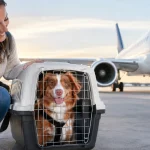
A dog can have perfect paperwork and still struggle if the travel experience itself has not been prepared properly. Crate training is one of the best ways to reduce stress. The travel kennel should feel familiar before moving day, not like a strange box introduced the night before departure.
Feed and hydration planning also matter, but not in a one-size-fits-all way. A young, healthy dog on a short direct route may need a different plan than a senior dog on a longer international journey. Sedation is generally approached with caution for air travel and should only be discussed with a veterinarian who understands your dog and the trip details.
This is also where owners need to be honest about temperament. Some dogs are adaptable travelers. Others are noise-sensitive, reactive, or deeply attached to routine. That does not mean they cannot move to Panama. It means the plan should reflect the dog you actually have, not the dog you hope will suddenly become easygoing at the airport.
Arrival in Panama and customs clearance
Landing is not the end of the process. Your dog still needs to be cleared properly on arrival, and that is where timing and document accuracy matter again.
Depending on the routing and transport method, there may be veterinary inspection, customs coordination, document review, and release procedures before your dog can leave the airport. If anything is inconsistent, the delay tends to happen here. Even a small mismatch between the health certificate and the vaccination record can create unnecessary stress after a long travel day.
This is one reason many pet owners choose professional support. Airport handling in a new country can feel very different when you are also dealing with your own immigration process, luggage, ground transport, children, or a same-day move into temporary housing. Having someone manage the pet side can remove a major pressure point.
Common mistakes people make
The most common problem is waiting too long. People often start planning after they book flights or after household shipping is already underway. By then, the pet timeline may be tighter than expected.
Another frequent issue is assuming the local veterinarian handles the full international process. Many vets are excellent clinically but do not manage import protocols, airline compliance, or Panama customs procedures every day. The medical certificate is only one part of the move.
Owners also underestimate how often travel plans change. Airlines adjust pet capacity, weather affects acceptance, and document windows are unforgiving. A relocation plan needs some flexibility built into it.
Finally, many families try to save money by piecing everything together themselves, then end up paying more in emergency fixes, rebookings, boarding, or delayed clearance. Sometimes a do-it-yourself move works. Sometimes it becomes expensive because one overlooked detail affects the entire trip.
When full-service help makes sense
If your move is straightforward, you are highly organized, and your dog is small, healthy, and flying on a simple route, you may be able to manage much of the process yourself. But many relocations are not that simple.
If you are moving on a deadline, traveling with a large dog, coordinating from overseas, using multiple flights, or dealing with special veterinary or breed considerations, professional management can save more than time. It can lower the risk of mistakes that affect your dog’s welfare and your legal entry process.
That is where a specialist such as Panama Pet Relocation can make a meaningful difference. When the same team coordinates documents, veterinary timing, routing, customs, and delivery, the process tends to be calmer because fewer details fall between providers.
A realistic timeline for peace of mind
The best time to start is as soon as Panama becomes a real possibility, ideally weeks or even months before travel. That gives enough room to review records, update vaccinations if needed, confirm flight options, and prepare your dog for the crate and journey.
Some moves can be arranged more quickly, but faster is not always better. The more rushed the process, the less flexibility you have if an airline changes policy or a document needs correction. A little extra planning time often protects both the schedule and the dog.
Moving a dog to Panama is absolutely manageable, but it works best when treated like a specialized relocation rather than a travel add-on. When the plan is built around your dog’s needs, the regulations, and the realities of air transport, the trip feels far more manageable for everyone involved. And that is exactly how it should feel when your pet is part of the family.