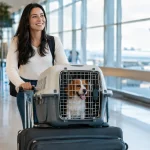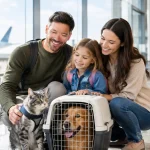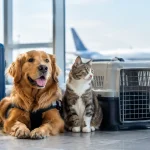


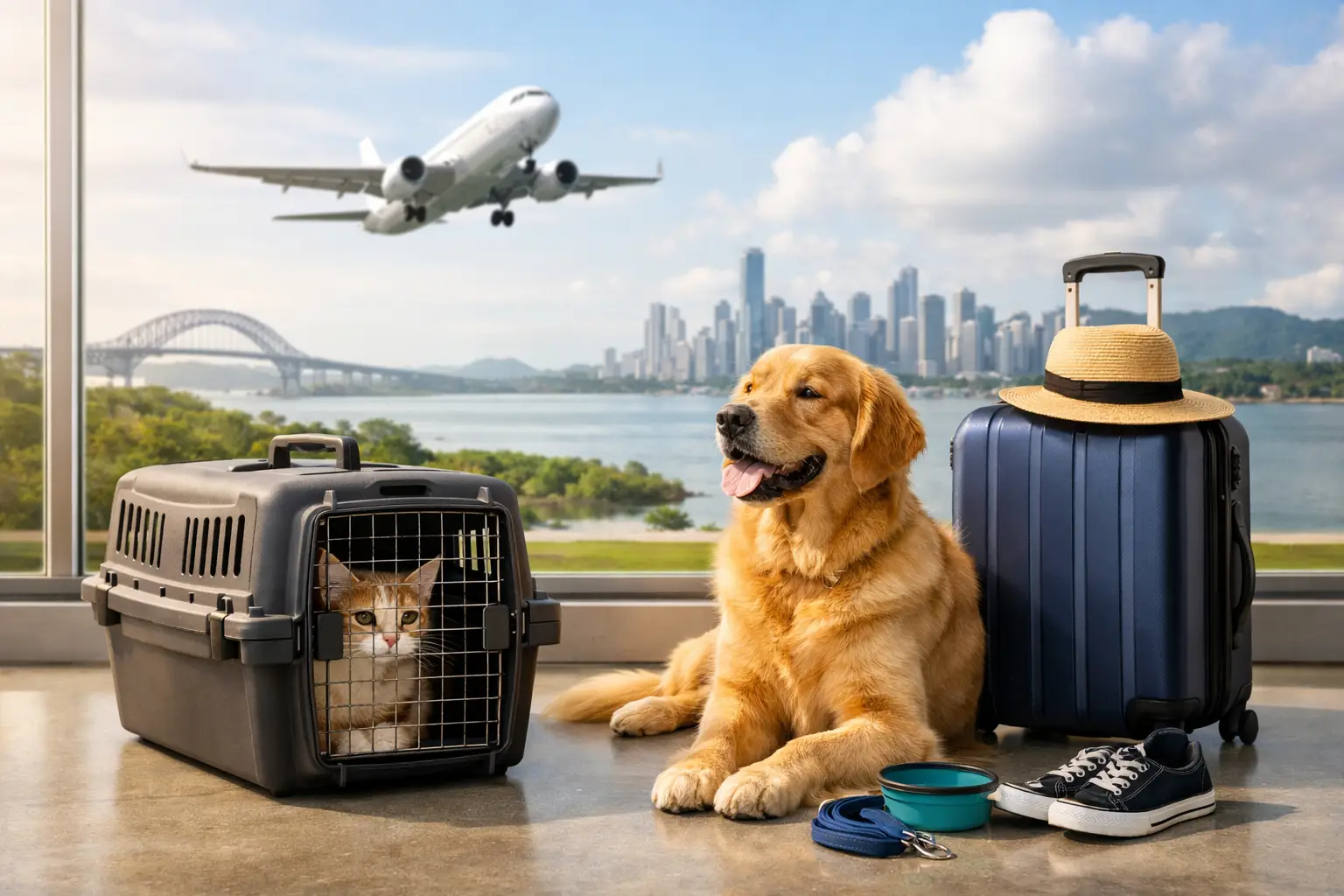

A missed vaccine date, the wrong health certificate, or an airline crate that does not meet requirements can turn a family move into a frantic scramble. That is why pet transport Panama is not just about booking a flight. It is about managing a chain of details that all have to line up at the right time so your pet can travel safely, legally, and with as little stress as possible.
For most pet owners, the hardest part is not deciding to bring the dog or cat. That part is easy. The hard part is figuring out what each country requires, how far in advance documents need to be prepared, whether a pet can fly in cabin or as manifested cargo, and what happens once the flight lands. When you are also coordinating your own relocation, those moving pieces can become overwhelming fast.
Why pet transport Panama requires careful planning
International pet travel is a regulated process, not a simple reservation. Rules vary based on the country of origin, destination, airline, species, breed, age, and vaccination history. A trip into Panama may call for a very different timeline than a trip out of Panama or a transfer through Central America on the way to another final destination.
The reason planning matters so much is that pet travel requirements are connected. A microchip may need to be recorded before a rabies vaccine. A rabies vaccine may need to be current before a blood test can be accepted. A health certificate may only be valid for a narrow travel window. If one step happens out of sequence, the entire plan may need to be adjusted.
That is where professional coordination becomes valuable. Instead of trying to decode rules from multiple sources and hoping they match, families can rely on one managed plan built around their pet, travel dates, and destination requirements.
What a full-service pet relocation process actually includes
Many people assume pet transport means airport drop-off and pickup. In reality, the work starts much earlier. A proper relocation plan begins with reviewing your pet’s species, breed, size, medical history, current vaccines, and travel route. From there, documentation and timing are mapped out in detail.
Health certificates, import permits, export permits, vaccination records, and customs paperwork often need to be prepared in a specific order. Some moves also require rabies FAVN titer testing, especially when a destination country has strict rabies controls. That testing can add time to the process, which is why advance planning matters.
Flight routing is another major piece. The shortest route is not always the best route for a pet. Depending on weather, layover length, aircraft type, and airline rules, a slightly different itinerary may be safer and less stressful. The same is true for crate selection. The right crate is not just an airline requirement. It affects your pet’s comfort, posture, ventilation, and ability to travel without avoidable problems.
Once the pet arrives, customs clearance and final delivery become just as important as the flight itself. A good relocation plan covers the entire journey, not only the airborne part.
Documentation is where most DIY plans go wrong
The biggest risk in do-it-yourself international pet shipping is paperwork. Not because pet owners are careless, but because the requirements can be surprisingly technical. One form might need an original signature. Another may require endorsement by a government authority. A health exam might need to happen within a narrow number of days before departure.
Even when owners are organized, conflicting information is common. Airlines may have one set of operational rules while the destination country has a separate set of legal entry requirements. Both matter. Missing either one can mean delays, denied boarding, or problems on arrival.
Professional management reduces that risk by checking the details before travel day. It also gives families a clear timeline instead of a confusing pile of documents and deadlines.
The travel method depends on the pet and the route
Not every pet should travel the same way. Some small pets may be eligible for in-cabin travel, while others need airline-managed cargo arrangements. In some cases, a pet nanny or in-cabin concierge option makes sense. In others, door-to-door service is the best way to keep the trip controlled from start to finish.
There is no one-size-fits-all answer here. A confident small dog on a short route may do well with one plan, while a large senior dog, a brachycephalic breed, or a cat with stress issues may need a different approach. The right decision depends on safety, regulations, and the animal’s temperament, not just convenience.
Moving pets into, out of, and through Panama
One reason pet transport Panama deserves specialized handling is that the process changes depending on direction of travel. Importing a pet into Panama is different from exporting a pet from Panama. Transit arrangements across the region can add another layer if your move includes countries such as Guatemala, El Salvador, Honduras, Nicaragua, or Colombia.
Families moving into Panama often need help understanding entry documentation, veterinary timing, customs procedures, and airport handling after arrival. Families leaving Panama may need export preparation that aligns both with local procedures and with the receiving country’s rules. If the final destination has stricter disease control standards, that can affect the planning calendar well before the departure date.
This is where local expertise matters. Knowing the paperwork in theory is useful. Knowing how the process works in real operations, with local authorities, veterinary coordination, airport handling, and customs timing, is what helps prevent avoidable setbacks.
More than dogs and cats
Most relocations involve dogs and cats, but not all do. Birds, exotic animals, and wildlife-related cases often come with additional permit requirements, species-specific regulations, and more specialized transport planning. These moves can be especially sensitive because documentation, containment, and handling standards may be more complex than standard household pet travel.
That complexity is one more reason experience matters. The process must protect the animal’s welfare while also meeting legal transport and import or export obligations.
What pet owners should do first
If you know a move is coming, start earlier than you think you need to. That does not mean your pet’s trip has to become a months-long source of worry. It means giving the process enough room to be done correctly. The earlier the review begins, the more options you typically have for routing, veterinary scheduling, and document preparation.
Gather your pet’s current vaccine records, microchip information, and any prior travel documents. Be ready to share your target moving date, departure city, destination city, and whether your travel dates are fixed or flexible. Those details make it possible to identify timing risks right away.
It also helps to be honest about your pet’s behavior and medical needs. Anxiety, age, heat sensitivity, breed restrictions, and past travel problems are not small details. They influence the transport plan in practical ways.
Why families choose managed support
When people look for help with pet relocation, what they usually want is peace of mind. They want to know someone is tracking deadlines, confirming compliance, coordinating flights, preparing for customs, and thinking ahead about problems before they happen. They do not want to spend nights comparing airline pet rules with government import language and wondering if they missed something critical.
That is why full-service support matters. It turns a confusing, high-stakes process into a guided one. Instead of carrying the burden alone, families have an experienced partner managing the operational side while keeping the pet’s comfort and safety at the center.
Panama Pet Relocation is built around that kind of support – handling the logistical details carefully so owners can focus on their move and trust that their animals are being looked after properly.
If your pet is part of your household, their trip deserves the same level of planning as every other part of your relocation. The smoother the process looks on travel day, the more preparation happened behind the scenes.