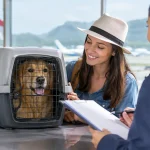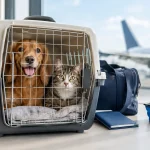


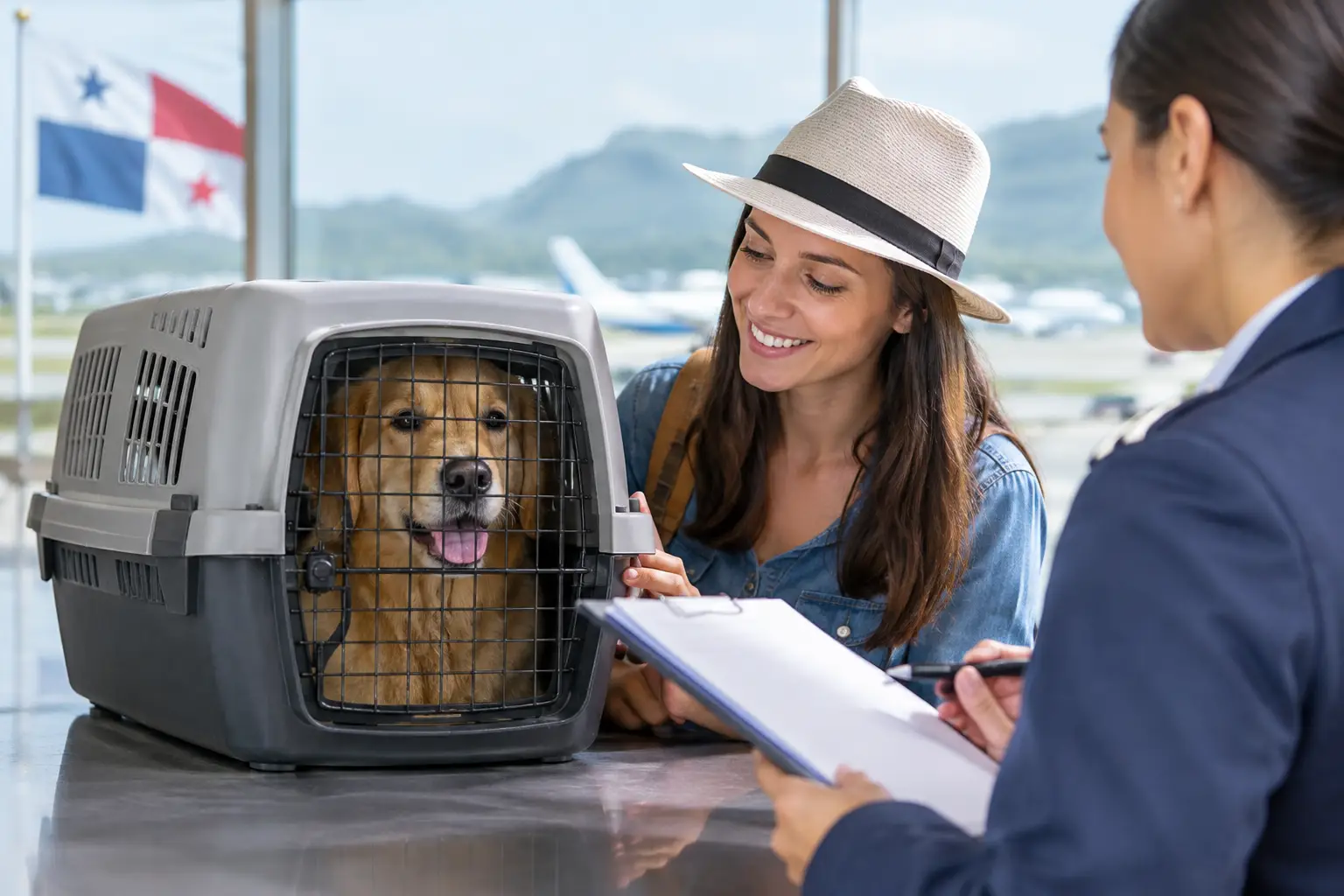

Your pet has landed, you have collected the travel crate, and the arrival hall is only a few steps away. That is the point where incomplete paperwork can turn an already long travel day into a stressful delay. Most Panama customs questions from pet parents are really questions about who approves an animal’s entry, which documents must match, and what happens if an official needs more information.
The reassuring answer is that a well-prepared pet can usually move through the arrival process efficiently. The key is treating customs clearance, veterinary entry approval, airline handling, and ground transportation as connected steps rather than separate errands.
What does customs do when a pet arrives in Panama?
For pet travel, customs is part of the broader arrival process. Depending on the airport, flight, and type of animal, your pet’s entry may involve customs personnel as well as the government veterinary authority responsible for animal health and agricultural controls.
Customs officers may verify that the animal is being declared properly and that the accompanying paperwork supports the entry. Veterinary officials focus on animal health requirements, such as identification, vaccination history, health certification, and any required import authorization. These roles can overlap operationally on arrival, which is why travelers often refer to the entire process as “customs.”
The practical point is simple: do not assume that checking in with the airline completes the process. A pet arriving as checked baggage, manifested cargo, or with a pet travel service may be released through a different sequence. The correct handoff depends on the routing and how the airline accepts the animal for transport.
Which documents should travel with your pet?
Documents should be current, complete, and consistent with one another. Names, dates, microchip details, species, breed descriptions, and flight information should not conflict. Small discrepancies can create questions at exactly the moment you want the process to move quickly.
For a typical dog or cat relocation, the documentation package may include a veterinary health certificate, vaccination records, an import permit or authorization when required, proof of microchip identification, and supporting airline paperwork. The required format, issuing authority, endorsements, and validity period can depend on the pet’s country of origin and the current entry rules.
Original documents matter. A phone photo is useful as a backup, but it may not replace an original signed certificate or an official endorsement. Keep the original paperwork protected in a clearly labeled folder that travels with the responsible person or is attached to the shipment file, as appropriate for the airline process.
Does my pet need a microchip?
A microchip is commonly used to connect the pet in front of an official with the records in the document package. The chip number must be recorded accurately wherever it is required, especially on health and vaccination documents.
Not every travel route is identical, and requirements can change. The safest approach is to confirm whether a microchip is required for your pet’s specific itinerary before vaccinations, examinations, and certificate preparation begin. If the microchip number is missing or transposed on one document, correcting it after departure may be difficult.
Is a rabies vaccination enough?
Rabies vaccination is a central part of many international pet entry requirements, but it is not the entire clearance file. Authorities may also require a recent clinical examination, parasite treatment records, official certification, and advance documentation specific to the country of export.
Age also matters. Puppies and kittens may not be eligible to travel on the same timeline as adult pets because vaccination schedules and waiting periods can affect the earliest possible departure date. For pets coming from locations with additional rabies controls, a rabies antibody titer test may be relevant to a later destination or onward travel plan, even if it is not the immediate issue at arrival in Panama.
When should I start preparing for customs clearance?
Start as soon as a move becomes likely, not when airline tickets are purchased. A straightforward relocation can still involve timing windows for vaccinations, veterinary certificates, government endorsements, airline reservations, and import permissions. Those windows need to line up with the flight date.
For a dog or cat with current records and a simple route, preparation may be manageable within a shorter period. For a pet with outdated vaccines, a restricted breed concern, special medical needs, cargo travel, multiple flight segments, or an origin country with extra requirements, more lead time is sensible. Birds, reptiles, exotic pets, and wildlife cases require particularly careful review because species-specific permits and conservation rules may apply.
Avoid booking a nonrefundable itinerary before confirming that the pet can meet entry and airline requirements on that date. Airline policies can be more restrictive than a country’s import rules. A pet might be eligible to enter Panama but still be unable to fly on a particular aircraft, during certain weather conditions, or in a specific cabin or cargo arrangement.
What happens if an official finds an issue?
The outcome depends on the nature of the problem. A missing signature, a certificate issued outside its valid period, an unreadable microchip, or a mismatch between records may result in additional review or a request for clarification. More significant deficiencies can cause a delay in release and may require veterinary intervention or other instructions from the authorities.
That is why it is risky to rely on generalized checklists from old forums or social media posts. Requirements can be updated, and advice that worked for a traveler arriving years ago may not fit your pet’s origin country, transport method, or current regulations.
Preparation reduces risk, but it also makes problem-solving easier. When documents have been reviewed in advance and the arrival process has been planned, there is a clear record of what was submitted, who issued it, and how to reach the right contacts if a question arises.
Panama customs questions about arrival day
Arrival day is easier when you know who is responsible for each task. If you are traveling with your pet, ask in advance where the animal will be released, whether you need to collect the crate before inspection, and whether the pet will arrive at the passenger terminal or a cargo facility. These details are not interchangeable.
Build extra time into the day. International flight delays, ground handling schedules, inspection availability, and baggage congestion can all affect the pace of release. Do not schedule a long onward drive, apartment key handoff, or veterinary appointment too tightly after landing.
Your pet should travel in an airline-compliant crate with absorbent bedding, clear identification, and any permitted care instructions. Pack a leash or harness where it can be reached quickly after release, along with water, cleanup supplies, and a familiar item if appropriate. The goal is not to create a complicated arrival routine. It is to make the first minutes after travel calm, secure, and controlled.
If someone else will collect the pet, confirm authorization requirements well ahead of time. A spouse, friend, driver, or local representative may need specific paperwork to act on the owner’s behalf. Never assume a name on an airline booking automatically authorizes another person to complete clearance.
Can a pet relocation specialist handle the process?
Yes. Professional coordination is especially helpful when a family is managing a home sale, immigration appointments, children’s school transitions, or a demanding work move at the same time. A specialist can review documentation timelines, coordinate with veterinarians and airlines, plan airport procedures, and arrange safe onward transportation after release.
The value is not simply filling out forms. It is seeing the full chain of events early enough to prevent a document date, airline policy, or arrival-handling detail from becoming a last-minute obstacle. This is particularly valuable for multi-pet households, senior pets, in-cabin travel, cargo shipments, and moves that continue through Central America or beyond.
Panama Pet Relocation provides that hands-on support for families who want a knowledgeable team managing the operational details while they focus on their pet’s comfort and their own move.
A calmer way to approach pet entry
The best time to answer customs questions is before your pet is at the airport. Confirm the current requirements for the exact itinerary, organize original documents in one place, and leave room in the schedule for inspection and release. With the right preparation, arrival can be what it should be: the first calm step toward home.