

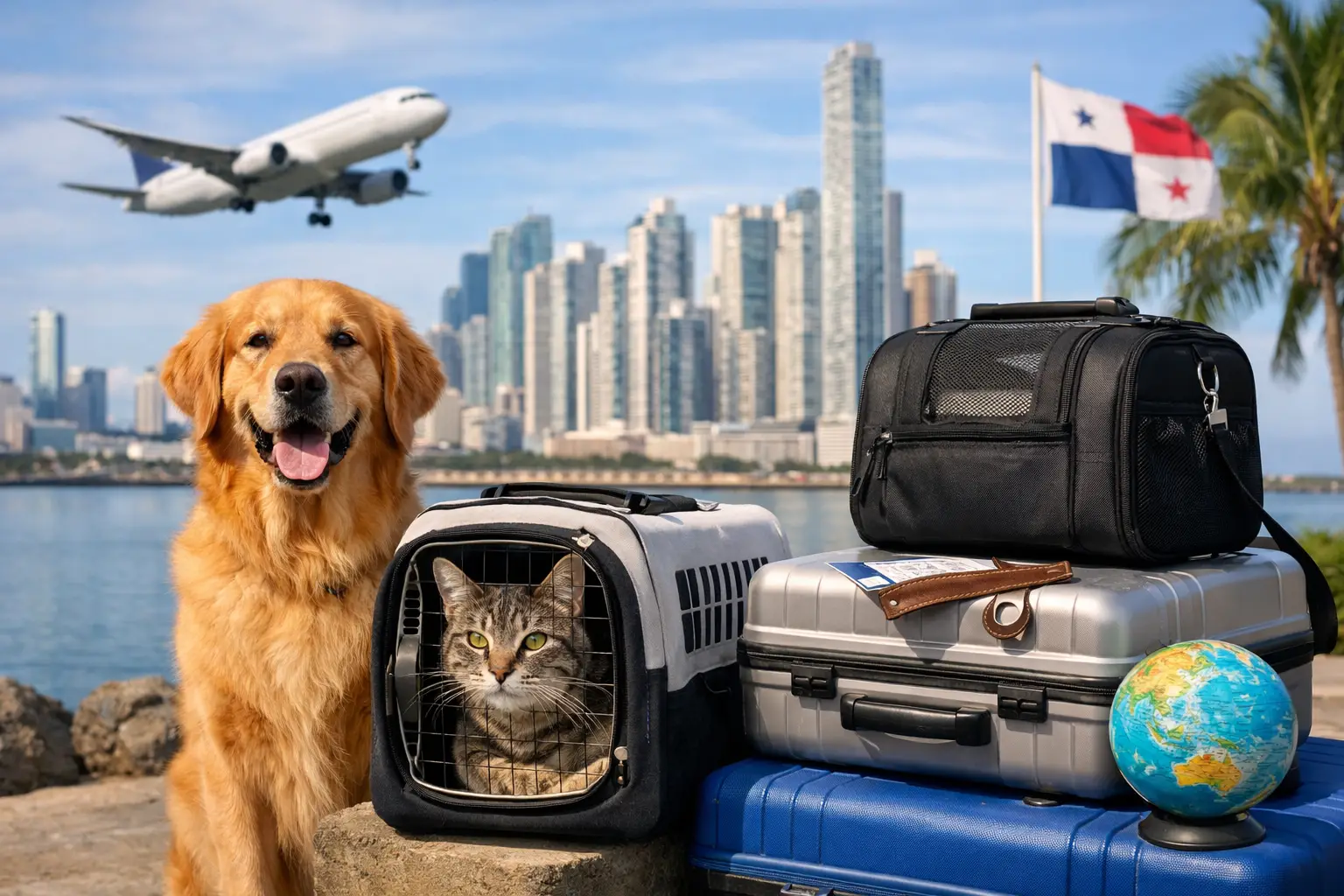

A missed vaccine date, one incomplete form, or an airline crate that does not meet current rules can turn a pet move into a delay no family wants. When people search for initernational pet transport panama, they are usually not looking for theory. They want to know who will keep their dog, cat, bird, or other animal safe, compliant, and moving on schedule.
That is where professional coordination matters. Moving a pet across borders is part veterinary planning, part logistics, part customs management, and part problem-solving under time pressure. For families relocating to or from Panama, the process often feels overwhelming because every stage affects the next one.
What international pet transport in Panama really involves
International pet transport Panama services are far more than booking a flight. A successful move starts with understanding the destination country’s import or export rules, then building a timeline backward from the travel date. Health certificates, vaccine timing, microchip requirements, airline approvals, crate sizing, routing options, and customs procedures all need to line up.
The details vary by pet and destination. A dog traveling from Panama to the United States has a different path than a cat entering Panama from Europe. A family moving with a bird or an exotic animal will face another layer of permits and handling requirements. Even when two pets are traveling on the same day, their records, age, breed, and airline eligibility can create different needs.
This is why experienced support matters. The work is not just about completing documents. It is about making sure each document is valid for the specific route, date, airline, and receiving authority involved.
Why pet moves go wrong without expert help
Most problems in international pet travel do not happen because owners are careless. They happen because the rules are fragmented and change quickly. Airlines have their own policies. Veterinary authorities have theirs. Customs and agricultural agencies may require separate steps. Timing windows can be narrow.
One common issue is paperwork that is technically complete but not accepted. A certificate may be signed too early, endorsed in the wrong sequence, or missing a supporting lab result. Another issue is travel planning that looks efficient for the human traveler but is not ideal for the pet. A short connection can be risky if the airline requires cargo transfer processing. A longer route may actually be safer and more reliable.
There is also the emotional side. Families are not shipping luggage. They are moving a pet that is part of the household. That changes the standard. Clear communication, careful handling, and contingency planning are not extras. They are essential.
The process for initernational pet transport panama families should expect
A well-managed move usually begins with a review of the pet’s species, breed, age, vaccination history, destination, and ideal travel window. From there, the transport plan is built around compliance first, then comfort and efficiency.
Step 1: Travel assessment and timeline planning
The first step is confirming what the destination country and airline will require. Some moves can be prepared relatively quickly. Others need weeks or months because of vaccine sequencing, blood testing, or permit processing. Rabies FAVN titer testing, for example, can affect timing significantly depending on the destination.
This stage also identifies practical constraints. Not every airline accepts every type of pet on every route. Weather restrictions, breed restrictions, and airport handling capacity can all shape the final plan.
Step 2: Veterinary coordination and documentation
Veterinary preparation is where many owners feel the most uncertainty. Pets may need updated vaccinations, health examinations, parasite treatments, microchip verification, and destination-specific testing. The paperwork must then match the exact requirements of the country receiving the pet.
Professional transport support helps coordinate this correctly. Instead of guessing which certificate version is needed or when an endorsement must happen, families have a process that is mapped out in advance.
Step 3: Flight booking and travel setup
Airline booking for pets is rarely as simple as adding an animal to a passenger reservation. Depending on the route and the pet’s size, the animal may travel in cabin, as checked baggage where permitted, or as manifested cargo. Each option has different rules, documentation standards, and check-in procedures.
Crate preparation matters here too. The kennel must meet airline specifications for size, ventilation, labeling, and construction. A crate that is slightly too small can lead to a denied check-in. A properly fitted crate helps reduce stress and supports safe travel.
Step 4: Customs clearance and arrival handling
Arrival is the stage people often underestimate. Clearing a pet through customs or agricultural review can involve inspections, permit presentation, document verification, and release coordination. If home delivery or airport assistance is arranged, that final handoff becomes much smoother for both the pet and the owner.
For families entering or leaving Panama, local expertise is especially valuable because the process on paper and the process in real time are not always the same. Knowing how documents are reviewed, how airport procedures typically unfold, and how to respond if something changes can prevent delays.
Choosing the right level of service
Not every family needs the same type of support. Some owners want help with documents and flight planning while handling the airport portions themselves. Others need full-service management from home pickup to final delivery. Neither approach is automatically right. It depends on the route, the complexity of the move, and the owner’s comfort level.
High-touch support tends to make the biggest difference when the move includes multiple pets, a tight relocation timeline, long-haul flights, unfamiliar import rules, or special species. It is also valuable when the family is already juggling visas, housing, school changes, or a job relocation. In those moments, handing off pet transport logistics to a specialist is not a luxury. It is a practical way to reduce risk.
Some families also benefit from in-cabin concierge support or VIP door-to-door handling. That can be especially helpful for nervous travelers, senior pets, or owners who want direct oversight throughout the journey.
Pets that need extra planning
Dogs and cats make up most international relocations, but they are not the only animals that travel. Birds, exotic pets, and wildlife-related cases often require more specialized handling and permit review. The transport plan may involve additional agencies, stricter crate standards, or route limitations.
Even among dogs and cats, some cases need extra care. Very young pets may not yet meet vaccination timing rules. Senior pets may need a more conservative travel plan. Brachycephalic breeds can face airline restrictions based on safety concerns. These are not reasons to panic, but they are reasons to plan early and get guidance that reflects the specific pet, not just a generic checklist.
What to look for in a pet transport partner
Trust matters more than promises. Families should look for a provider that understands both the regulatory side and the operational side of pet travel. Experience with Panama and Central America is important because regional expertise can save time and avoid confusion. So is clear communication. Owners should know what is happening, what documents are needed, and what comes next.
It also helps to work with a team that manages the entire journey rather than only one piece of it. When veterinary coordination, airline planning, customs handling, and delivery support are aligned, the move is usually calmer and more predictable. Panama Pet Relocation is built around that kind of end-to-end management, with personalized support for families who want a reliable partner from the first planning call to final arrival.
Preparing your pet for a calmer trip
Good transport planning supports pet welfare before travel day arrives. Familiar crate training, stable routines, updated records, and realistic scheduling all help reduce stress. Owners should avoid last-minute preparation whenever possible. Pets do better when the process feels gradual and organized rather than rushed.
That same principle applies to the family. When you know the route, the paperwork status, the check-in plan, and the arrival process, you can focus less on uncertainty and more on helping your pet stay calm. A well-managed move does not remove every variable, but it does replace chaos with structure.
If your pet is part of your relocation plans, treat their travel timeline with the same seriousness as your own passport, flight, and housing arrangements. The right support makes the process simpler, safer, and far less stressful for everyone involved.