

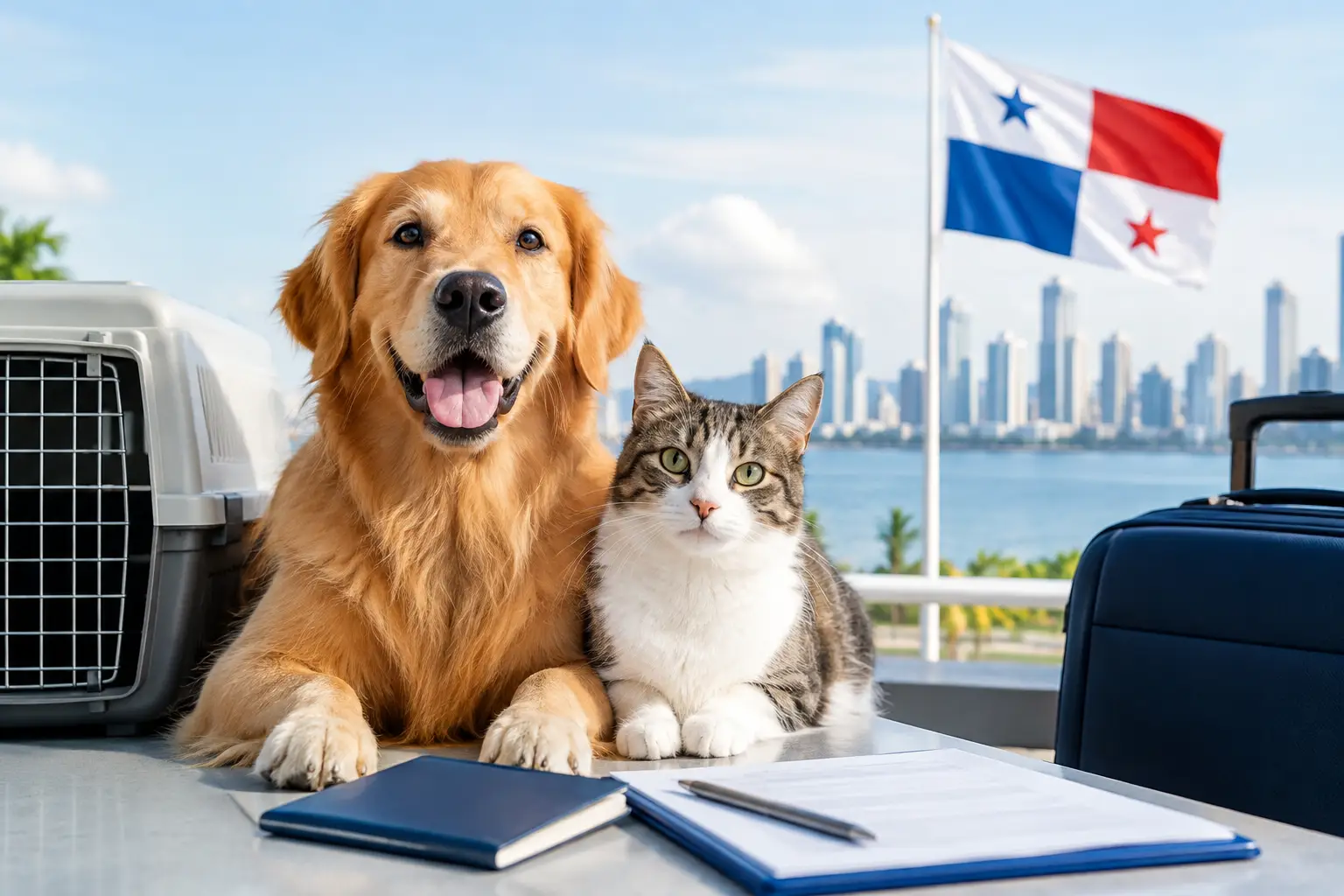

A missed signature, an expired health certificate, or a flight that lands outside the approved plan can turn an exciting move into a long day of uncertainty for your pet. To secure Panama pet permits confidently, the paperwork must work as one coordinated file: veterinary records, import authorization, airline arrangements, and arrival clearance all need to match.
For families moving with a dog or cat, the goal is not simply to collect documents. It is to make sure every document is current, correctly issued, properly authenticated when required, and ready at the point it will be reviewed. That level of preparation protects your travel date and, more importantly, helps your pet arrive safely and comfortably.
What a Panama Pet Permit Process Actually Involves
People often use the word “permit” to describe the full process of bringing a pet into the country. In practice, the process usually includes several connected requirements. Your pet may need import authorization, a veterinary health certificate, evidence of required vaccinations, and supporting records that meet the current entry rules. Airline requirements are a separate layer and can be just as strict.
Customs and agricultural authorities review the paperwork at arrival. If a document is missing, completed incorrectly, or outside its validity window, the issue may not be fixable at the airport. The result can be delays, additional inspection, changes to onward transportation, or other complications at a time when your pet needs calm, familiar care.
The exact requirements can vary by species, country of origin, travel route, and the purpose of travel. A straightforward relocation with a vaccinated household dog is different from moving a cat on a multi-country itinerary. Birds, reptiles, exotic animals, and wildlife cases require much more specialized planning and may involve permits beyond standard companion-animal documentation.
How to Secure Panama Pet Permits Step by Step
The most reliable approach starts well before your flight is booked. Travel dates matter because veterinary documents often have specific issuance windows, and some approvals take time to obtain. Starting early gives you choices if an appointment, endorsement, airline routing, or document correction takes longer than expected.
Begin with your pet’s travel profile
A professional plan begins by confirming the facts that affect eligibility: species, breed, age, microchip details if applicable, vaccination history, country of departure, connecting countries, final destination, and proposed flight dates. It is also useful to identify whether your pet will travel in cabin, as checked baggage where permitted, or through a cargo arrangement.
This first review catches issues that are easy to overlook. For example, an airline may have breed restrictions, seasonal temperature rules, carrier measurements, or limits on the number of animals accepted on a flight. A connecting country may create its own transit requirements even when your final destination is Panama.
Review vaccinations and veterinary records early
Vaccination records should be clear, complete, and consistent with your pet’s identification details. Rabies documentation is often a central part of international pet travel, but it is not the only item that matters. Depending on the itinerary and current rules, authorities may also review parasite treatments, general health status, and supporting veterinary information.
Do not assume an old record will be accepted because your pet is fully protected medically. Travel authorities need documentation issued in the required format and within the required timeframe. If a vaccine was given recently, there may also be a waiting period before travel is allowed. Your veterinarian can help with your pet’s medical care, while a relocation specialist can coordinate the travel-specific requirements and timing.
Obtain the required import authorization
Import authorization should be handled as a planned administrative step, not as an airport task. The application typically depends on the details in your pet’s supporting records, so names, dates, species, sex, breed, and identification numbers must align across every document.
Small inconsistencies can create outsized problems. A middle name omitted on one form, an incorrect microchip digit, or a vaccination date written in an unclear format can lead to questions during review. Before submitting anything, compare every field against the source record and your travel itinerary.
Schedule the health certificate at the right time
The veterinary health certificate is one of the most time-sensitive documents in the file. It confirms that your pet was examined and fit to travel, but it must be completed within the validity period required for entry. Scheduling the appointment too early can make the certificate expire before arrival. Scheduling it too late leaves little room for a correction or government endorsement if one is needed.
This is why travel planning should work backward from the planned arrival date, not forward from the first available veterinary appointment. Keep a secure copy of every signed record, but travel with the original documents whenever original paperwork is required.
Coordinate permits with airline handling
A valid permit does not guarantee an accepted flight booking. Airlines set their own pet travel rules, and those rules can change based on aircraft type, route, weather, available capacity, and operational conditions. Confirm the pet reservation directly and verify the crate or carrier requirements well before departure.
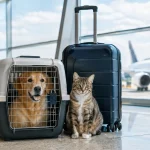
Your pet’s travel crate should be the correct size, well ventilated, secure, and suitable for the travel method. Crate training ahead of time is a meaningful welfare step. A pet that recognizes the carrier as a safe resting space is often less stressed than one meeting it for the first time on travel day.
Prepare for arrival and customs clearance
Arrival planning is where permit work becomes real-world logistics. You need to know where your pet will be collected, which documents must be presented, who will meet the flight if assistance is arranged, and how your pet will get from the airport to the final destination.
Keep the paperwork organized in the order it will be requested. A document folder should include the import authorization, health certificate, vaccination records, identification details, airline paperwork, and copies of supporting documents. Digital copies are useful backups, but they should not replace originals when authorities require originals.
Common Reasons Panama Pet Paperwork Gets Delayed
Most delays are preventable, but they tend to happen when travel is treated as a single booking rather than a regulated process. The most common problems include:
- A health certificate issued outside the permitted timeframe.
- Vaccination records that are incomplete, unclear, or inconsistent with the pet’s identification.
- An import authorization that does not match the final travel itinerary.
- Airline pet space that was requested but never confirmed.
- Missing endorsements, originals, or required supporting forms.
- A route change that adds a transit country with separate pet-entry rules.
The answer is not to add paperwork blindly. It is to verify what applies to your individual route and pet, then build a timeline around those requirements. Requirements can change, so information from a previous move, a friend’s experience, or an outdated online checklist may not fit your travel date.
When Professional Permit Support Makes Sense
Some families are comfortable managing a simple itinerary themselves, especially when they have flexible travel dates, a cooperative airline route, and plenty of lead time. Even then, a detailed document review can provide reassurance before departure.
Professional support becomes particularly valuable when timing is tight, the route includes connections, the pet has special handling needs, or the move involves more than one animal. It is also helpful for international departures from Panama, relocations across Central America, and cases involving birds, exotic animals, or rabies FAVN titer testing.
Panama Pet Relocation manages the document, airline, customs, and transport details as a connected process. That means identifying risks early, coordinating with veterinarians and relevant authorities, monitoring the travel plan, and giving pet parents a clear view of what happens next. The purpose is not just administrative accuracy. It is giving your pet a calmer journey and giving your family confidence that someone is accountable for the details.
Give Your Pet’s Move the Time It Deserves
A permit file is strongest when it is treated as part of your pet’s care plan, not a stack of forms to finish at the last minute. Start with accurate records, allow time for approvals and veterinary scheduling, and keep the flight plan aligned with the documentation from beginning to end.
When your pet steps out of the carrier after a long journey, the best outcome is simple: the formalities are already handled, and the next stop is home.