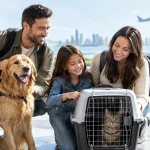



A missed vaccine date or one incomplete form can turn pet transport Central America into a stressful scramble fast. Most families do not realize how many moving parts are involved until they are already juggling flights, housing, and customs deadlines at the same time. When your dog, cat, bird, or other companion animal is part of the move, the process needs more than good intentions. It needs careful coordination.
The challenge is not just getting a pet from one country to another. It is making sure every document, health requirement, airline rule, and arrival procedure lines up correctly for the specific route, species, and timeline involved. Central America can look simple on a map, but pet travel across the region often depends on details that are easy to overlook.
Why pet transport Central America gets complicated
International pet relocation in this region is highly manageable, but it is rarely one-size-fits-all. Import and export rules vary by country, and they can change with little notice. Some destinations require original veterinary certificates within a narrow window before travel. Others may require import permits, proof of rabies vaccination, parasite treatment records, or additional testing depending on origin and species.
Airline policies add another layer. One carrier may accept pets on a route that another does not. Seasonal heat restrictions, crate measurements, aircraft type, and transit airport rules can all affect what is possible. A plan that works well for a small dog traveling in cabin may not work at all for a larger pet flying as manifested cargo.
Then there is timing. Documents often need to be completed in a specific sequence. Vaccinations may need to be current but not too recent. Endorsements, customs clearance, and flight booking windows all have to line up. If even one piece falls out of place, delays can follow quickly.
What a well-managed move actually includes
Many people assume pet transport is mostly about booking a flight. In practice, the flight is only one part of the job. A properly managed relocation usually starts with route planning and regulatory review. That means confirming the destination rules, checking transit requirements, reviewing the pet’s medical history, and mapping the timeline backward from the intended travel date.
From there, the process often includes veterinary coordination, health certificate preparation, vaccination review, crate guidance, airline reservation support, export documentation, and import handling on arrival. Depending on the case, it may also involve customs clearance, home delivery, or door-to-door service so the owner does not have to coordinate multiple providers.
For families with tight schedules, this support matters. If you are relocating for work, retiring abroad, or managing a family move across borders, your attention is already divided. Having one team manage the operational details reduces the risk of preventable mistakes and gives you a clearer picture of what happens next.
The biggest variables in Central American pet moves
No two pet relocations are exactly alike, but a few factors usually shape the process most.
The first is destination country. Requirements for entry into Panama may differ from those in Guatemala, El Salvador, Honduras, or Nicaragua. Even when the paperwork looks similar, the handling process on arrival can be different.
The second is species and breed. Dogs and cats follow the most common pathways, but birds, exotic pets, and wildlife cases often involve additional permits and specialized handling. Certain breeds may also face airline restrictions.
The third is travel style. In-cabin travel can be appropriate for some pets, while others need accompanied baggage, cargo arrangements, or an in-cabin concierge depending on size, route, and airline acceptance. The best option is not always the cheapest or the fastest. It is the one that balances compliance, safety, and the pet’s wellbeing.
The fourth is medical readiness. Rabies records, microchip details, parasite treatment, and in some cases FAVN rabies titer support can affect when a pet is eligible to travel. Waiting until the last minute can narrow your options.
Common mistakes owners make when trying to do it alone
The most common mistake is assuming online information is current and complete. Pet import rules are often summarized in broad terms, but the real process usually depends on exact dates, original documents, local authority practices, and airline-specific conditions.
Another frequent issue is booking flights before confirming eligibility. Owners sometimes secure their own itinerary, only to learn later that the chosen route does not accept pets in the required way or that the transit airport creates a compliance problem.
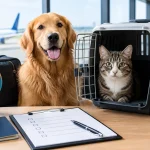
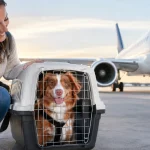
Crate problems are also common. A crate that seems large enough may still fail airline standards for ventilation, hardware, or head clearance. Last-minute crate changes create unnecessary stress for both pets and owners.
There is also the issue of timing veterinary appointments too early or too late. Health certificates, endorsements, and treatments are often valid for a very specific window. Good planning is less about speed than sequence.
How professional support lowers risk
The real value of professional pet relocation support is not just convenience. It is error prevention. An experienced transport team knows how to spot route conflicts, missing records, documentation gaps, and timing issues before they become travel-day problems.
That support also helps reduce stress for the pet. A calm, organized move is usually a safer move. When the crate is prepared correctly, the paperwork is in order, the airline booking is confirmed properly, and arrival handling is already arranged, the journey tends to be smoother from start to finish.
For owners, communication is just as important. During an international move, people want clear answers: What documents are still needed? When does the vet visit happen? Who receives the pet on arrival? What changes if the airline adjusts the schedule? Reliable guidance makes the whole process feel more manageable.
When door-to-door service makes the most sense
Some relocations are simple enough that airport-to-airport coordination may be all that is needed. But door-to-door support is especially valuable when families are moving with children, managing household shipments, or arriving in a country for the first time.
It also helps when a pet’s journey involves several handoffs. Ground pickup, veterinary coordination, airport processing, customs release, and final home delivery can be difficult to organize separately. When one provider manages those steps together, accountability is clearer and the chances of miscommunication drop.
This is particularly useful in Panama, where local expertise can make arrival procedures more predictable. For families moving into or out of the country, a specialist like Panama Pet Relocation can handle the paperwork and logistics with the kind of regional familiarity that saves time and worry.
Preparing your pet for the trip
Good transport planning is not only about forms and flights. Your pet’s comfort matters too. Crate familiarization should start early, especially for animals that have never traveled in a kennel. A pet who sees the crate as a safe space usually handles travel better than one meeting it for the first time on departure day.
Routine also helps. Feeding schedules, exercise, hydration, and pre-travel veterinary guidance all play a role. Sedation is not typically recommended for air travel unless specifically directed by a veterinarian, so it is important to talk through any health or anxiety concerns ahead of time.
Older pets, brachycephalic breeds, very young animals, and pets with medical conditions may need additional planning. In these cases, the best route is not always the shortest one. It may be the option with better airline handling, cooler travel times, or fewer transfers.
What to look for in a pet transport partner
Trust matters more than promises. Look for a company that can explain the process clearly, identify the documents your route requires, and give you a realistic timeline based on your pet’s circumstances. You want practical answers, not vague reassurance.
Experience across Central America is also important. Regional moves can involve local procedures that are not obvious from a checklist. A provider with established operational knowledge can anticipate those details and plan around them.
Finally, look for a team that treats your pet like more than cargo. Technical compliance is essential, but compassionate handling is what gives owners real peace of mind. The best relocations are carefully managed and thoughtfully communicated at every step.
If you are planning a move across borders, start earlier than you think you need to. The right preparation gives your pet more travel options, gives you fewer surprises, and turns a complicated journey into one that feels calm, clear, and well cared for.