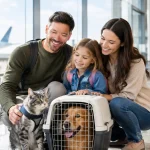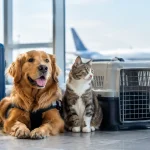


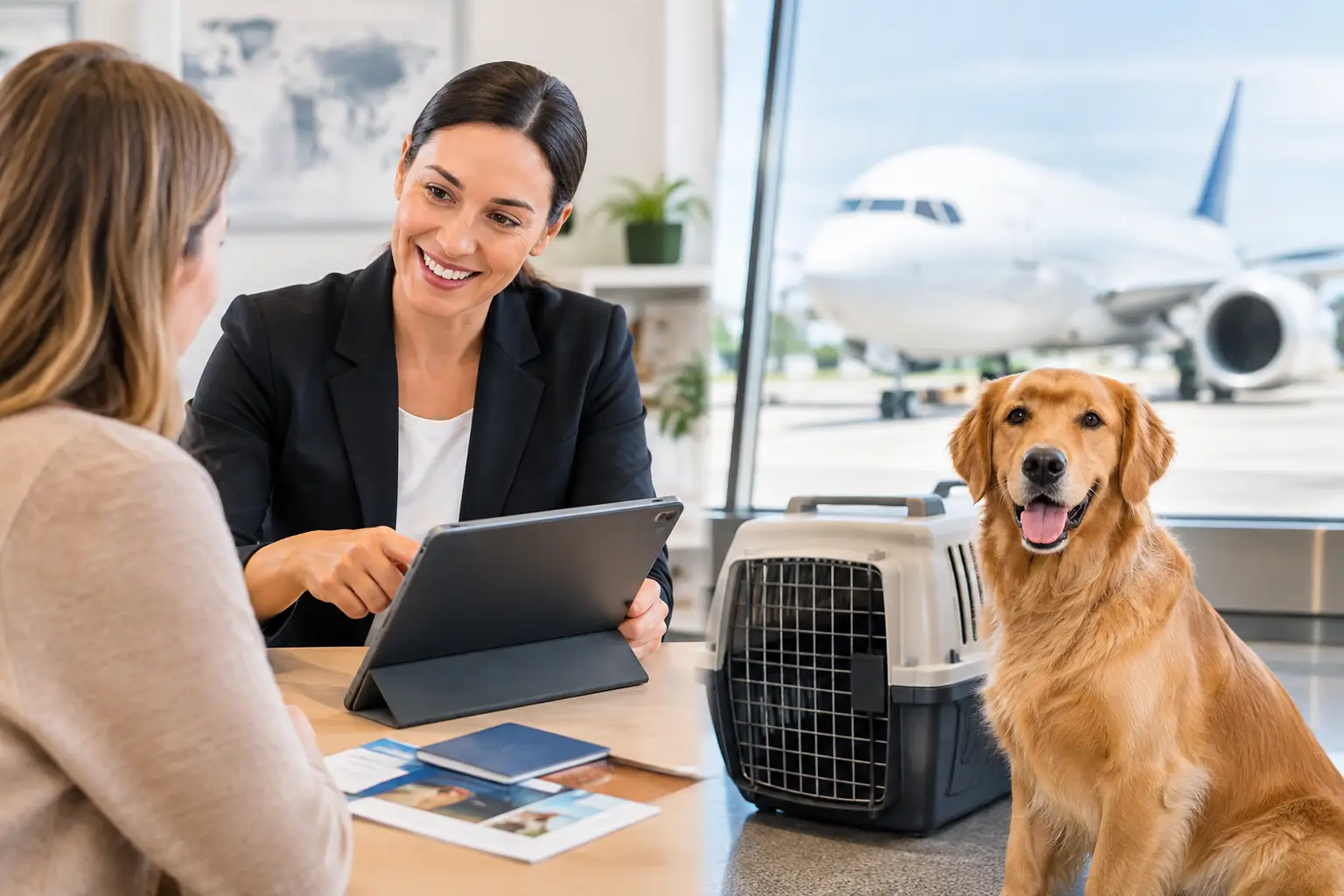

A flight reservation can move a pet from one airport to another. An international move asks much more: correct documents, veterinary timing, crate compliance, airline acceptance, customs clearance, and a safe handoff at the destination. That is the real distinction in a pet relocation consultant versus airline decision. Both have a role, but they solve very different parts of the journey.
For a simple domestic trip with a healthy pet, a direct flight, and clear carrier rules, booking directly with an airline may be manageable. For an international relocation – especially one involving Panama, Central America, multiple flights, or strict import requirements – professional coordination can prevent the kinds of errors that lead to denied boarding, missed connections, or delays at the border.
Pet Relocation Consultant Versus Airline: The Core Difference
An airline is a transportation provider. It sets the rules for pet travel on its aircraft, confirms space when available, and transports an accepted animal according to its operating procedures. Its staff may explain crate dimensions, check-in timing, and whether a pet may travel in cabin, as checked baggage, or as cargo. Those are essential services, but they are limited to the airline’s portion of the trip.
A pet relocation consultant manages the move as a complete process. That includes assessing the route, confirming destination requirements, coordinating veterinary appointments and paperwork timing, selecting an appropriate flight plan, preparing for airport procedures, and organizing arrival support. If a trip requires customs clearance, ground transportation, or a change in airline due to weather or scheduling, the consultant is responsible for helping keep the plan moving.
The difference matters because airlines generally do not verify that every country-specific requirement has been met before you begin preparing. They may inspect required travel documents at check-in, but that is very different from creating a compliance plan weeks or months in advance.
What an Airline Can Do Well
Airlines are often a practical choice when the trip is straightforward. A pet parent with an in-cabin eligible cat or small dog, a direct route, flexible dates, and a destination with uncomplicated entry requirements may prefer to handle the booking personally.
The airline can advise on its own policies, including whether pets are permitted on a specific route, which kennel standards apply, seasonal restrictions, check-in procedures, and available pet travel categories. It also provides the actual flight operation, baggage or cargo handling, and airport personnel responsible for acceptance and loading.
Direct booking can work well when the owner has time to research every rule, can speak with airline representatives repeatedly if needed, and is comfortable managing documents independently. It is most suitable when there are few moving parts.
But an airline cannot usually coordinate your veterinarian, obtain import permits, arrange destination customs support, confirm a transit country’s requirements, or collect your pet from the airport after arrival. Its customer service teams also work within airline systems, which means they may not have specialized knowledge of the veterinary and customs rules of every destination.
Where Airline-Only Planning Can Become Risky
International pet travel is governed by overlapping rules. The destination country has import requirements. The airline has acceptance rules. A connecting airport may have transit conditions. Your origin country may require an endorsed health certificate or export clearance. Each document can have a specific validity period, and the order of appointments can be just as important as the appointments themselves.
A common problem is treating a health certificate as the only required document. Depending on the destination, pets may also need an import permit, proof of microchip identification, current vaccines, parasite treatments, laboratory testing, government endorsements, or a designated arrival procedure. Requirements can differ based on species, age, routing, and country of origin.
Flight changes create another vulnerability. A route that was compliant when booked may become more complicated if an airline changes a connection, a layover becomes longer, or a pet is rerouted through a country with different transit rules. Airlines work to operate their schedules, but they do not typically take ownership of rebuilding an animal’s regulatory travel plan.
There is also the practical reality of travel day. Pets may be refused at check-in if paperwork, crate specifications, or airline reservations are not correct. Once that happens, families can face a difficult decision: change their own travel, find last-minute care for their pet, or postpone the relocation altogether.
What a Pet Relocation Consultant Handles
A qualified consultant begins by evaluating the entire move, not just the flight. The planning process should account for your pet’s species, breed, size, age, health considerations, departure city, final address, travel dates, and destination regulations. From there, the consultant builds a route and preparation schedule designed to meet both airline and government requirements.
For many international moves, support includes coordinating the veterinary timeline, reviewing documentation, arranging airline bookings, selecting a compliant travel crate, and preparing owners for departure-day procedures. At the destination, services may extend to customs clearance, airport collection, and delivery to a home, hotel, or final residence.
A consultant also provides a single point of contact. Rather than asking a veterinarian about airline rules, an airline about customs requirements, and a customs office about arrival procedures, the owner has a professional managing the coordination among those parties. That continuity is particularly valuable when plans shift or documents need clarification.
For travel to or from Panama, local knowledge can make a meaningful difference. Entry procedures, document expectations, veterinary coordination, and airport handling are details that benefit from firsthand regional experience. Panama Pet Relocation manages these interconnected steps for families whose pets need more than a flight reservation.
The Value of Route Planning and Timing
The shortest itinerary is not always the best itinerary for a pet. A consultant considers more than flight duration. They evaluate connection times, airport facilities, weather exposure, operating restrictions, seasonal heat rules, aircraft type, pet-handling procedures, and the reliability of each segment.
For example, a very tight connection may look efficient for a passenger but leave little margin if a flight is delayed or if a pet requires special handling between flights. A longer layover can sometimes be safer, while an overnight connection may introduce unnecessary complications. The right plan depends on the pet, the route, and the requirements at each point of travel.
Timing documents is equally important. Some certificates are valid for only a limited number of days before travel. Vaccinations may need to be completed within a defined window, while certain testing requirements must be started far earlier. A relocation consultant creates a calendar that works backward from the expected travel date, helping families avoid discovering a missing requirement too late.
When You Should Consider Professional Support
A consultant is especially helpful when the journey includes multiple countries, cargo travel, large dogs, brachycephalic breeds, birds, exotic animals, or wildlife cases. These moves often require more specialized planning than an ordinary airline pet reservation.
Professional support is also wise when you are moving on a fixed timeline for a job, home closing, retirement transition, or family commitment. The cost of a paperwork mistake is not only administrative. It can affect your pet’s comfort, your own flight plans, and the start of your move.
Families who are traveling with children, arranging a household shipment, or departing before their pet can travel may benefit from door-to-door coordination. In these cases, someone needs to manage details that fall outside the airline’s role, including pickup, temporary care arrangements when appropriate, airport delivery, customs release, and final transport.
That said, hiring a consultant is not automatically necessary for every trip. If your pet is traveling in cabin on a direct flight and you have thoroughly confirmed all official requirements, airline-only planning may be the right fit. The key is to be honest about the complexity of the move and the level of responsibility you are prepared to carry.
Questions to Ask Before You Choose
Before relying on an airline booking alone, ask whether you have confirmed every requirement with the appropriate government authorities, not only with the carrier. Make sure you understand what is needed at departure, during transit, and on arrival. You should also know who will assist if a flight changes or your pet is not accepted at check-in.
If speaking with a relocation consultant, ask what parts of the process they manage directly, how they coordinate with your veterinarian, whether they provide customs and destination support, and how they communicate when travel plans change. A good provider will explain the process clearly, identify potential challenges early, and give you realistic guidance rather than vague reassurance.
Your pet is not simply another item on a moving checklist. Choose the level of support that matches the route, the regulations, and your family’s comfort level, so their journey begins with careful planning and ends with a calm, safe arrival.